
Home » Halloween
Category Archives: Halloween

For Halloween: Ghostly & Gothic Nautical Adventure In Fiction
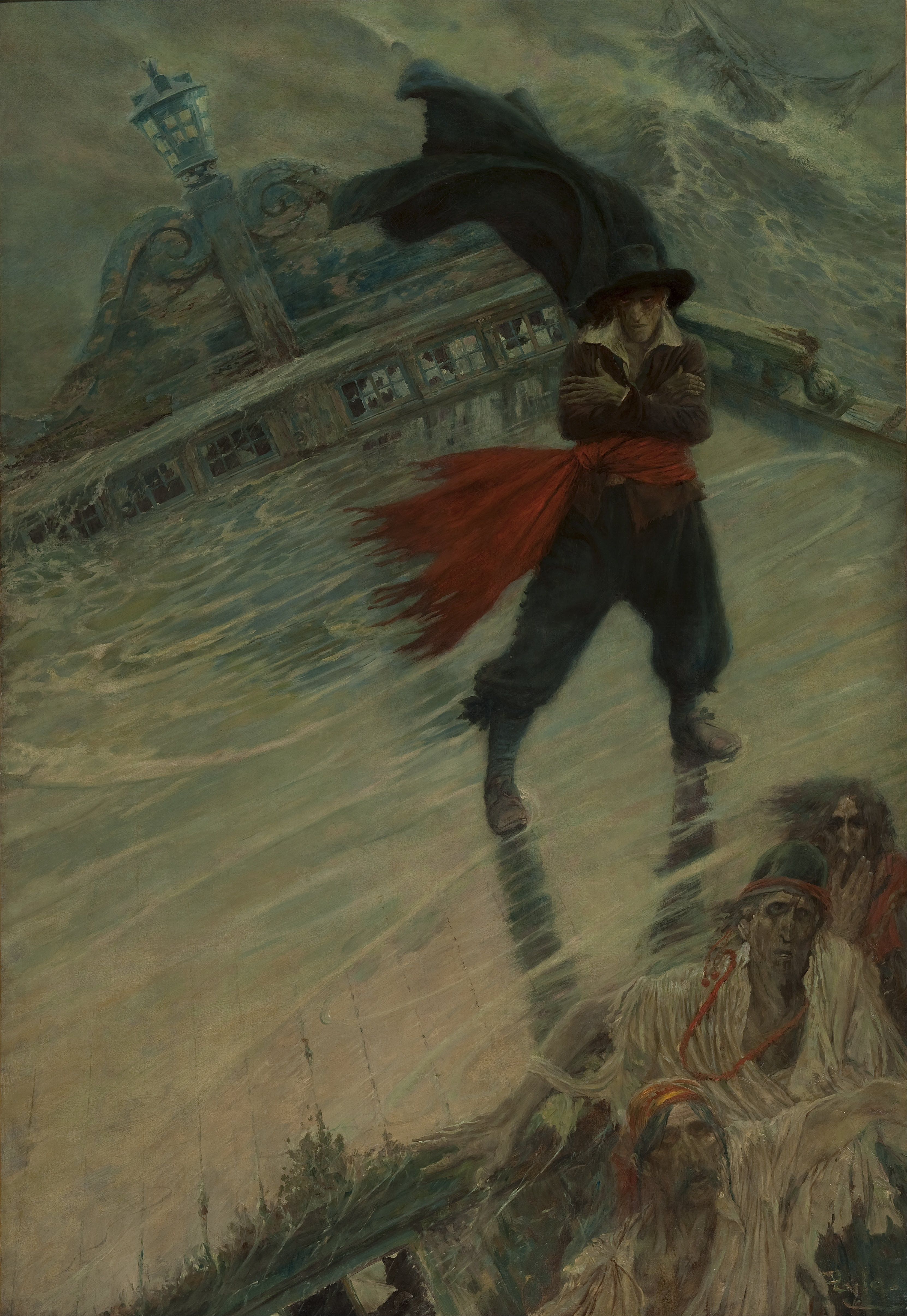
In keeping both with my post on Ghosts & Monsters for Halloween: Cinematic Nautical Romances & Swashbuckling Adventure and with my urge to procrastinate by writing easy blog posts rather than finishing more complex ones, not to mention the Annotated Captain Blood, here are a few books, short stories, and a poem suitable to sea roving adventure on All Hallow’s Eve. I’ve included nothing I haven’t read, which means there are some likely future additions.
Fantasy pirate and horror pirate are not my favorite genres although I’ve read plenty, usually in the weeks leading up to Halloween, a holiday we celebrate well thanks to a daughter born on the day, and to the women in my life in general, all of whom could be described as fey. I’ve had friends and readers suggest to me that I write fantasy pirate novels — “That’s where the money is,” they say — but so far I’m unwilling to give up my firm belief that the true pirate swashbuckler will one day regain its rightful place. But enough digression. Onward to Halloween pirates and other ghostly ghastly seafarers and sea victims in fiction!
The Phantom Ship by Frederick Marryat, 1839
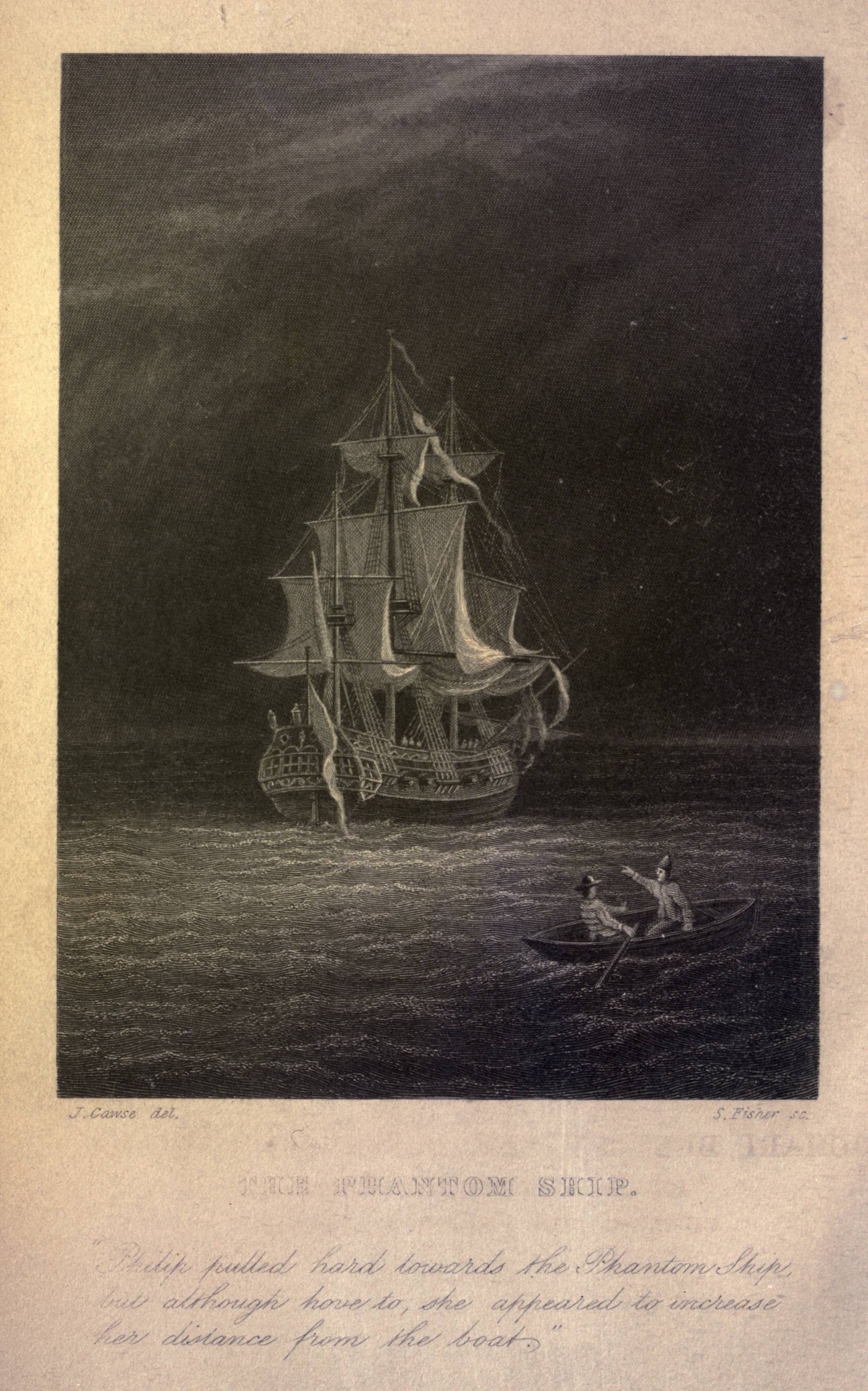
The Flying Dutchman, the sins of Vanderdecken the father visited upon the son, along with with true love, buried treasure, an odyssey of redemption, a cackling supernatural messenger incarnate and evil, plus ghosts, Arabian magic, and even, briefly, a werewolf tale! All written by a former post captain in the Royal Navy. No impossible ship-handling here! (Other than the spectral ship, of course.) A grand fun read. Ignore the reviews early and modern, including one believed to have been written by Poe — critics, especially successful writers engaging in literary criticism, are often insufferably jealous narcissists practicing unintended comedy.
The Rime of the Ancient Mariner by Samuel Taylor Coleridge, 1798
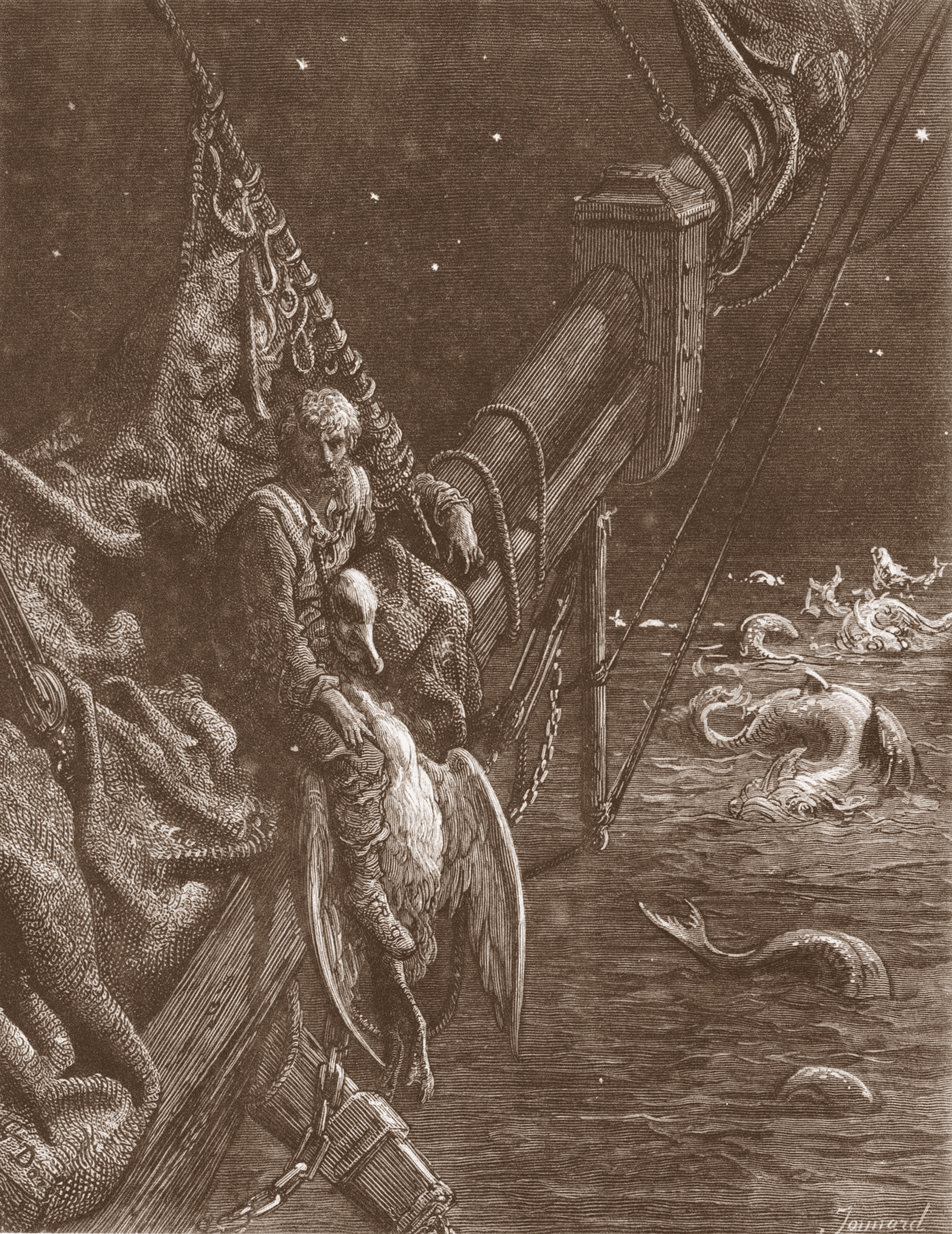
“Water, water, every where, // Nor any drop to drink[!]” A cursed sea voyage, an albatross that brought fair winds murdered and hung ’round the killer’s neck — the ancient mariner tells his dark tale to a wedding guest. The poem was inspired in part by the killing of an albatross by a pompous officer named Hatley during the disastrous 1719 – 1722 South Sea privateer voyage commanded by George Shelvocke: shipwreck and marooning, mutiny, self-rescue, quasi-piracy, even that horror of horrors, a lawsuit afterward! A trifle as compared to the voyage of the Ancient Mariner.
The Ghost Pirates by William Hope Hodgson, 1909
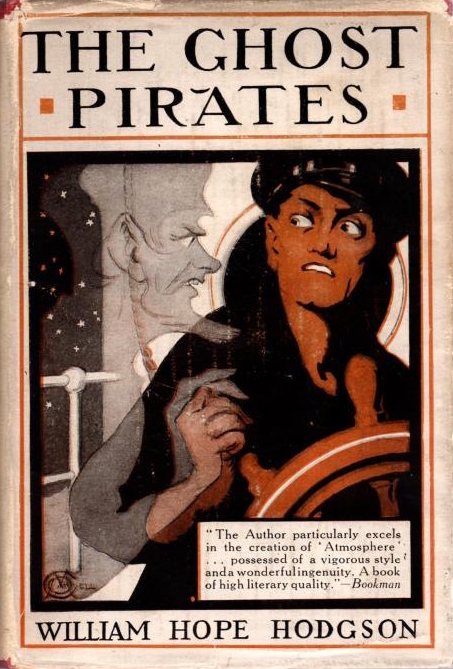
A classic, and surely the greatest of the ghosts at sea genre. The taut writing suits the mood: evil creatures — demons? zombies? ghosts? beings from another realm? — slowly, methodically, terrifyingly taking over an age of sail merchantman and killing its crew. Few novels bring a sense of deadly dread to life so well. To climb aloft is no escape…
“The Ghost-Ship” by Richard Middleton, 1912

I first read this story in The Jolly Roger: Pirate Stories for Boys (Milton Bradley Company, 1928), a collection of pirate fact and fiction whose plate of pirate flags, copied exactly from that in The Blackwall Frigates by Basil Lubbock (1922), was recommended by screenwriter Casey Robinson as the source for the flag used in Captain Blood starring Errol Flynn. “The Ghost-Pirate” was originally published in a collection of the author’s short stories in 1912. Alas, there is only one pirate ghost tale, but to my great pleasure the collection includes two stories not on writing but on being a writer. Middleton’s amused, wordly-wise, self-deprecating take on writers, writing, and publishing closely mirrors my own. Nothing has changed in more than a century but the tools. As for “The Ghost Ship,” it’s a jovial domestic tale of a ghost pirate ship commanded by Bartholomew Roberts cast ashore during a storm into small town known for its own ghosts, and the subtle mayhem that ensues.
On Stranger Tides by Tim Powers, 1987
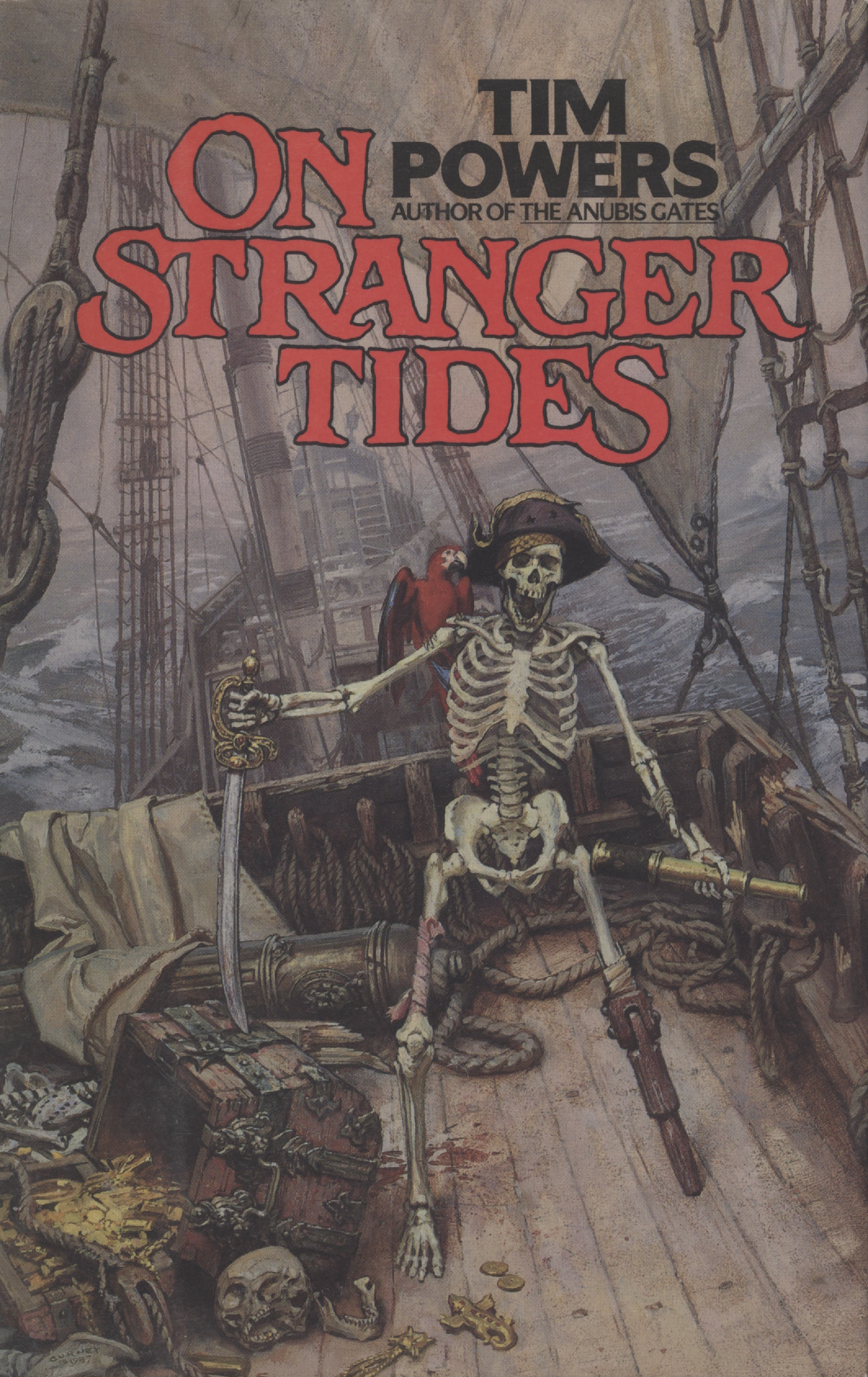
Without doubt the best of the fantasy pirate genre, no contest. Pirates, voodoo, zombies, murder, treachery, romance, the fountain of youth, great cover art, and a fantastic climax.
Inspired perhaps by imagining if the magical nonsense ascribed to Blackbeard by pseudonymous pirate chronicler Charles Johnson were real, Powers’s novel has influenced, indeed inspired, much of both Disney’s The Pirates of the Caribbean film franchise (including the plot, obviously, of the 4th installment, On Stranger Tides) and also the Monkey Island video games (and perhaps The Adventures of Amina al-Sirafi by Shannon Chakraborty too). And who knows, maybe Powers, who helped inspire the Disney films, was inspired by the Disney ride as well.
Never mind the anachronisms and especially the inaccuracies in sea fighting, naval uniforms, and so on in the novel. Until I wrote The Sea Rover’s Practice (a bit of self promotion here), there was no book or other source on detailed tactics of sea rovers of the late 17th and early 18th centuries, and most of what was written on the subject was inaccurate or, in the case of many novels, culled and cribbed from accounts of sea fights during the Napoleonic Wars, much of which doesn’t apply directly to a century prior, or was copied from historically-incorrect novelists, even from some who had been tallship sailors — tactics and language changed in ways major and minor from the late 17th century to the 19th. I wrote SRP because I couldn’t find a book on the subject and it took me several years of in-depth research, far more time than any novelist has on their hands to research a story. And, to make the devil’s argument, vodou is a legitimate Creole religion but its magic isn’t real in the manner described in the novel, so does it really matter if the pirate tactics in it are inaccurate too? It’s the story that matters, or so I write even as endeavor to be as historically as possible in my own fiction.
The Mystery of the Sea by Bram Stoker, 1902
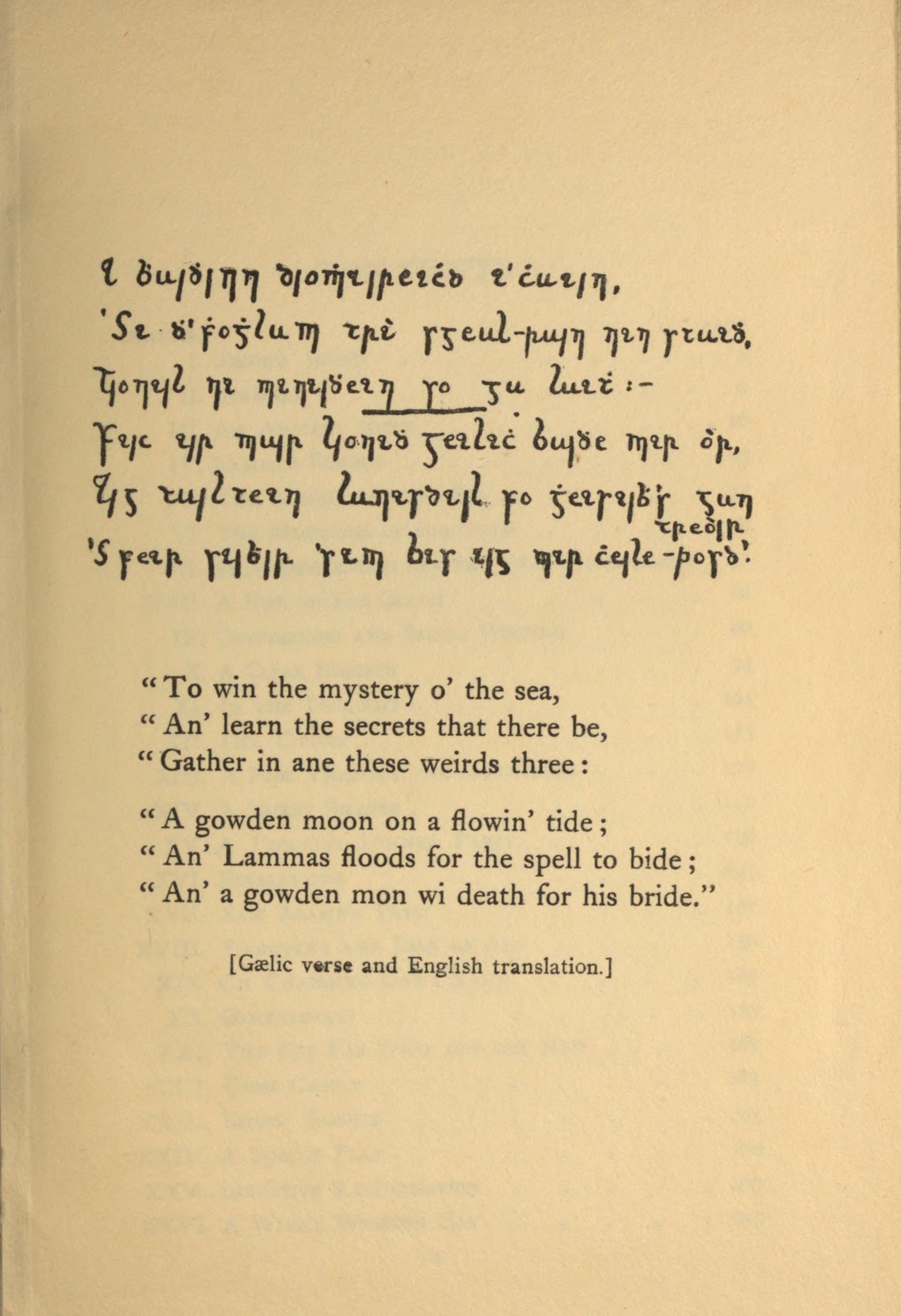
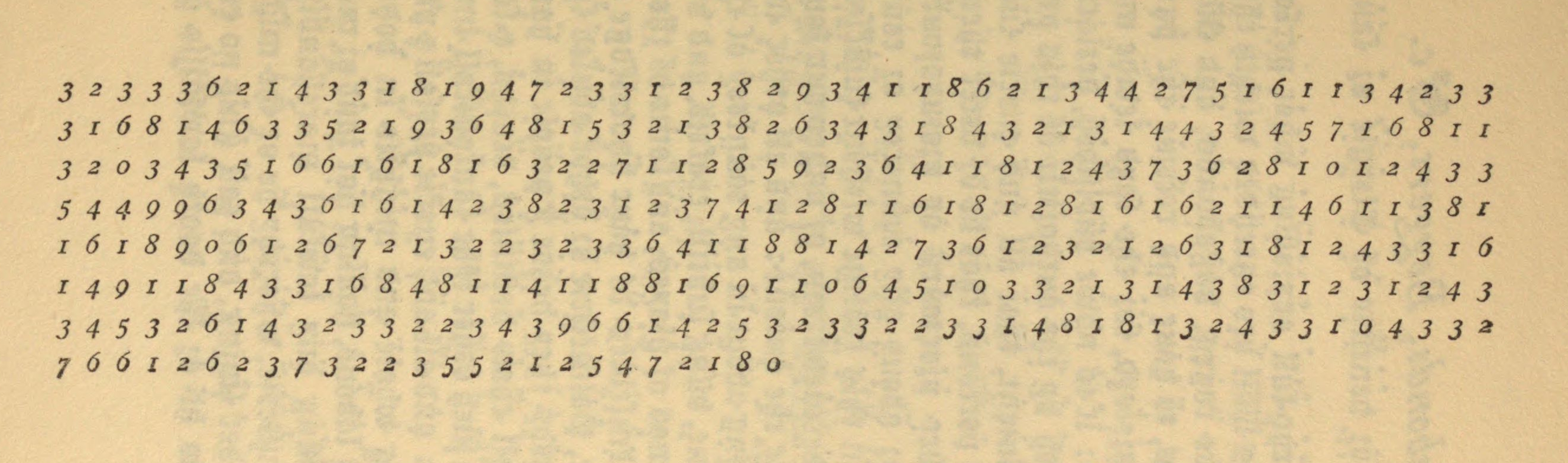
Stoker didn’t just write about vampires! The Mystery of the Sea is classic Gothic by the sea: a Papal treasure lost with the sinking of the Spanish Armada, ghosts trudging by the sea, a fey old woman, the second sight, a cipher, a rugged Scottish coast, romance with a rich independent patriotic American woman, classic gallantry including aquatic rescue, and, naturally, bad guys too, for what would be a treasure hunt without them?
The Haunted Island by Peter Lunn, 1946
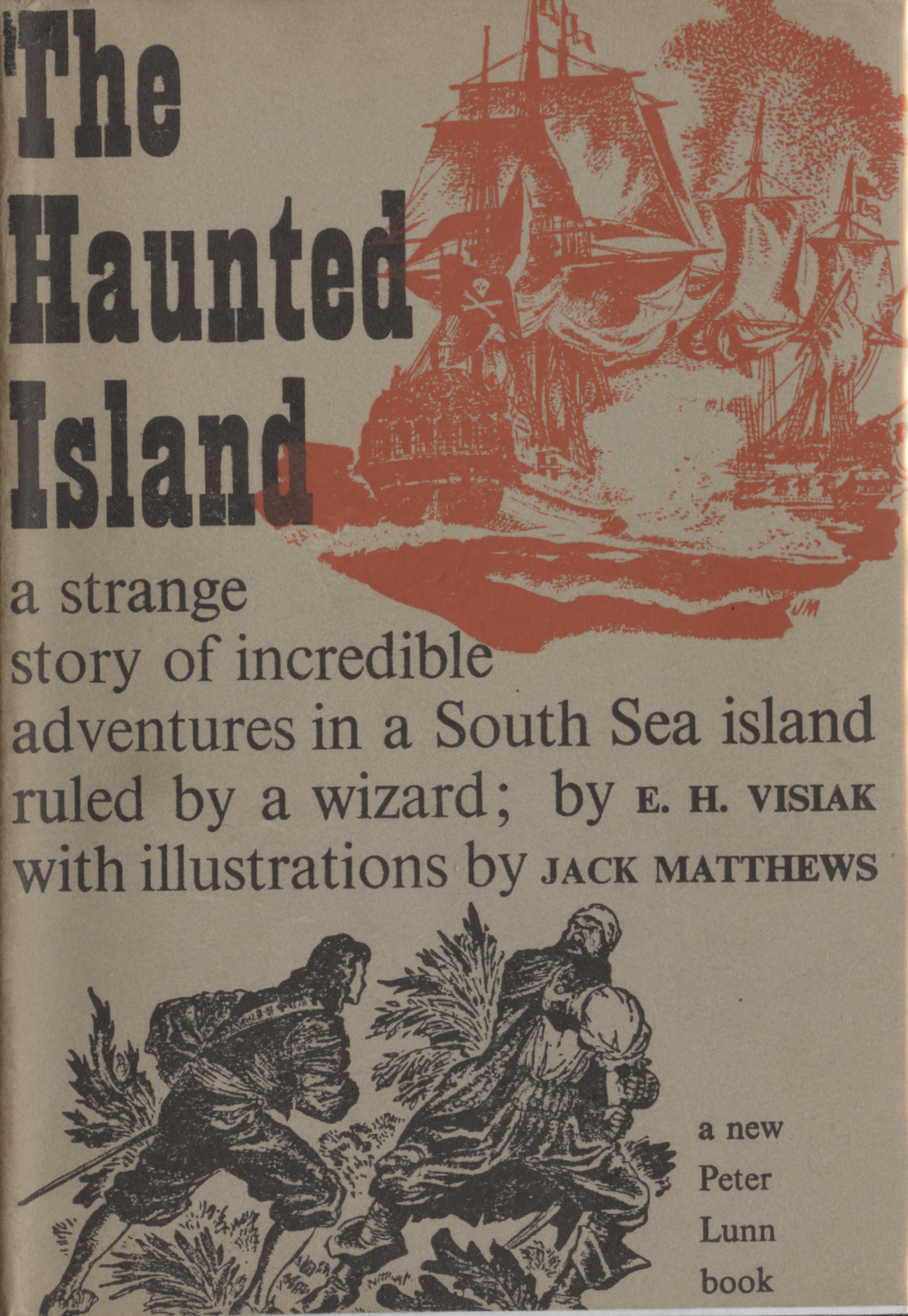
Pirates and magic! No, Disney’s Pirates of the Caribbean, you’re not the first to combine the twain. Or is it magic after all? Read and find out! The author had clearly done his homework, or at least had read Exquemelin and a few other core buccaneer authors, for the general details are accurate enough for light fiction. And the illustrations by Jack Matthews are exemplary, far more accurate than most buccaneer depictions even today. They’re not Pyle or Wyeth, but they serve well to correctly bring the period to life. As usual, the novel is composed of pirate truths and tropes derived from popular pirate histories and much better pirate novels such as Treasure Island. If it pales in comparison to the works of Stevenson and Sabatini, and if Verne and the writers, cast, and crew of Forbidden Planet had a more sophisticated take on the theme, no matter — it’s still a quick fun read.
Pirate’s Doom by E. R. G. R. Evans, 1930
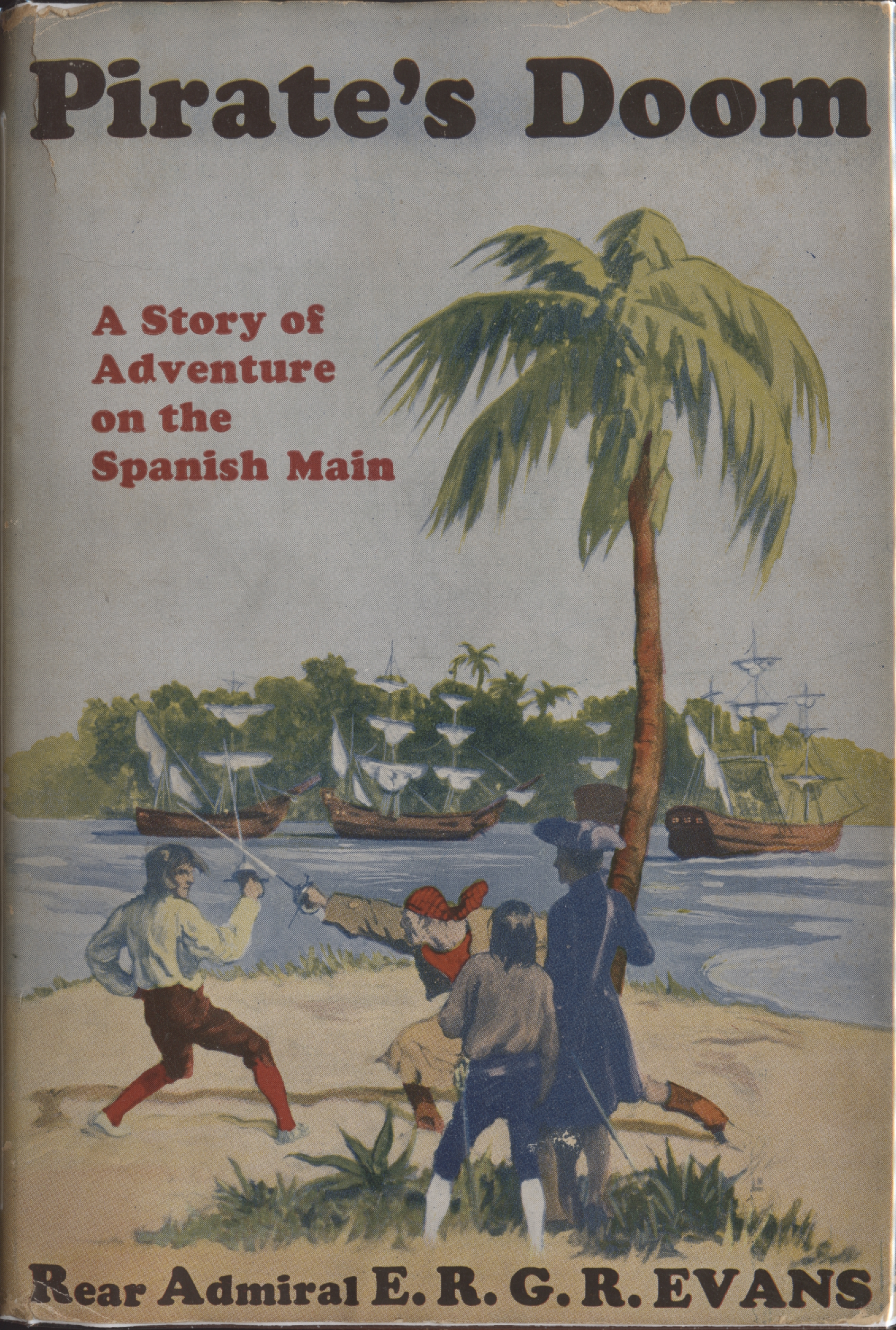
An adventure mostly set in reality but a few apparently supernatural elements: a pirate captain drawn in part from the evil messenger Shriften in The Phantom Ship and who can appear and disappear, so it seems, at will; another who seems proof against wounds; and a ghost ship. The author, who wrote quite a few maritime adventures for boys, gained early fame as a destroyer captain during close action in WWI. Like many novels of this sort from this era, it seems cobbled together from more famous works. Treasure Island it’s not, but it’s still a fun, easy read. It does have the occasional bigotry common to the era, but thankfully few of them. In keeping with famous buccaneer, explorer, naturalist, privateer, and naval officer William Dampier, along with some of his contemporaries, the author finds a pirate crew of “ferocious-faced negroes, dark-skinned Italians, and low-visaged seamen, who…were Turks” to be a “motley band of buccaneers” clearly inferior to the stout English pirates among whom the hero finds himself. With my olive skin I suppose I’d be in the motley crew too, but then so would Captain Peter Blood and his creator, the “dark-skinned” Italian-Englishman Rafael Sabatini (not to mention bestselling swashbuckling novel authors Frank Yerby and Alexander Dumas, both of whom were Black), thus I’d be in excellent company.
Notably, yet not usual for the period in which the novel was written and its intended audience, there are no women in the novel. Even Treasure Island has Jim’s mother (who does have “agency,” contrary to the recent publicity nonsense justifying MGM’s changes to the original work in the most recent film version of the novel). The author’s dedication says it all: “To the sea-loving boys of // the Empire, and all those // who would go adventuring”//. Perhaps women would just have been in the way, but that’s not been my experience in a life with some notable adventure. In fairness, this isn’t the only novel on this page that has no women in it.
Postscript: did the screenwriters of The Sea Hawk (Howard Koch and Seton I. Miller, 1940) and The Spanish Main (Aeneas MacKenzie, original idea and treatment by the star, Paul Henreid, 1945) read this book? It’s quite the coincidence that Admiral Evans writes in a single sentence of three ships: the Barracuda, the Albatross, and the Sea Hawk! The Barracuda is the pirate ship featured in The Spanish Main (and also the nom de guerre of the hero), and the Albatross is the privateer featured in The Sea Hawk… Or maybe Evans was simply prescient or maybe it’s another commonly uncommon coincidence. Maybe.
The Pirate by Sir Walter Scott, 1822
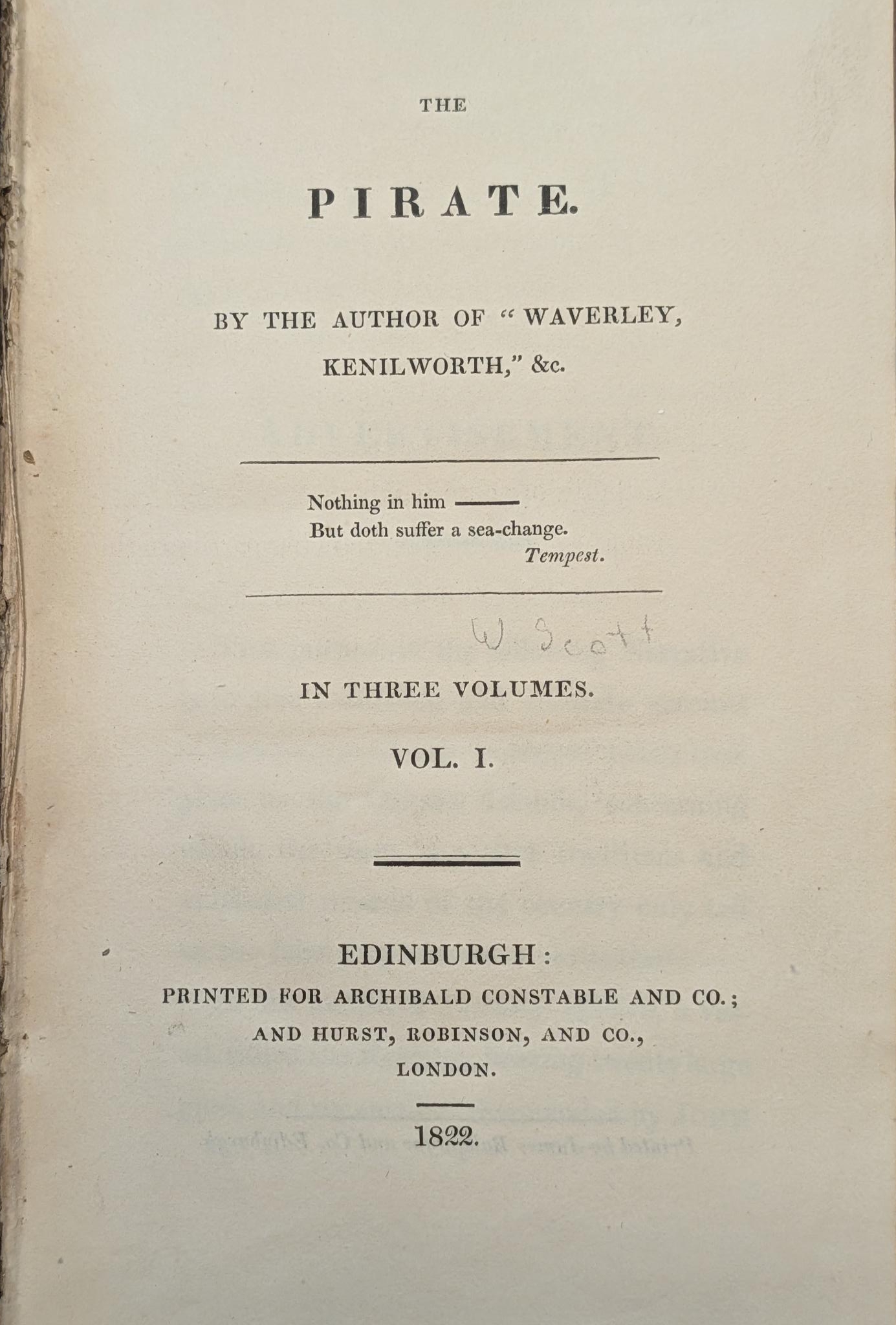
One of Scott’s romantic Waverly novels, the tale has no ghosts but those from the past and has only Gothic elements rather than the whole, but it still has enough remote island moodiness to qualify for this list. No less than Anais Nin as a teenager wanted to read this adventure of old sins, young love, remote windswept locale, and, of course, attack by pirates. Inspired by Scottish pirate John Gow (born circa 1698, hanged 1725), it takes place circa 1689. Never mind the anachronism: it’s fiction after all. Best read by the fireside during an evening storm with a sea-peaty Scotch whiskey in-hand, preferably one from the Scottish islands. Extra points if read in this manner by the seaside in winter (double extra if on a Scottish isle in winter). So famous was Scott that his name is not only not on the title page above, but is nowhere to be found in the book. “By the author of…” suffices.
And, Last But By No Means Least…
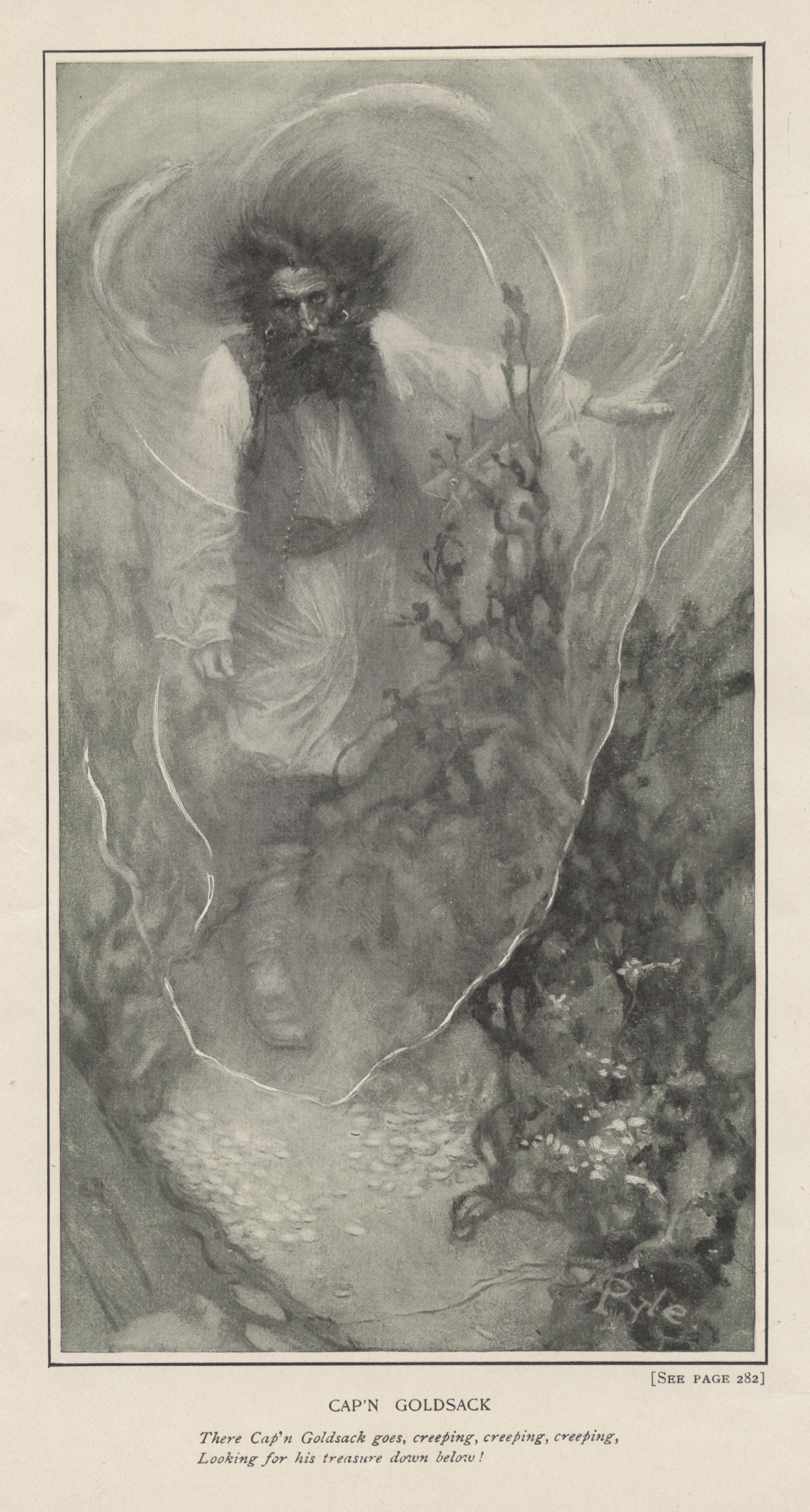
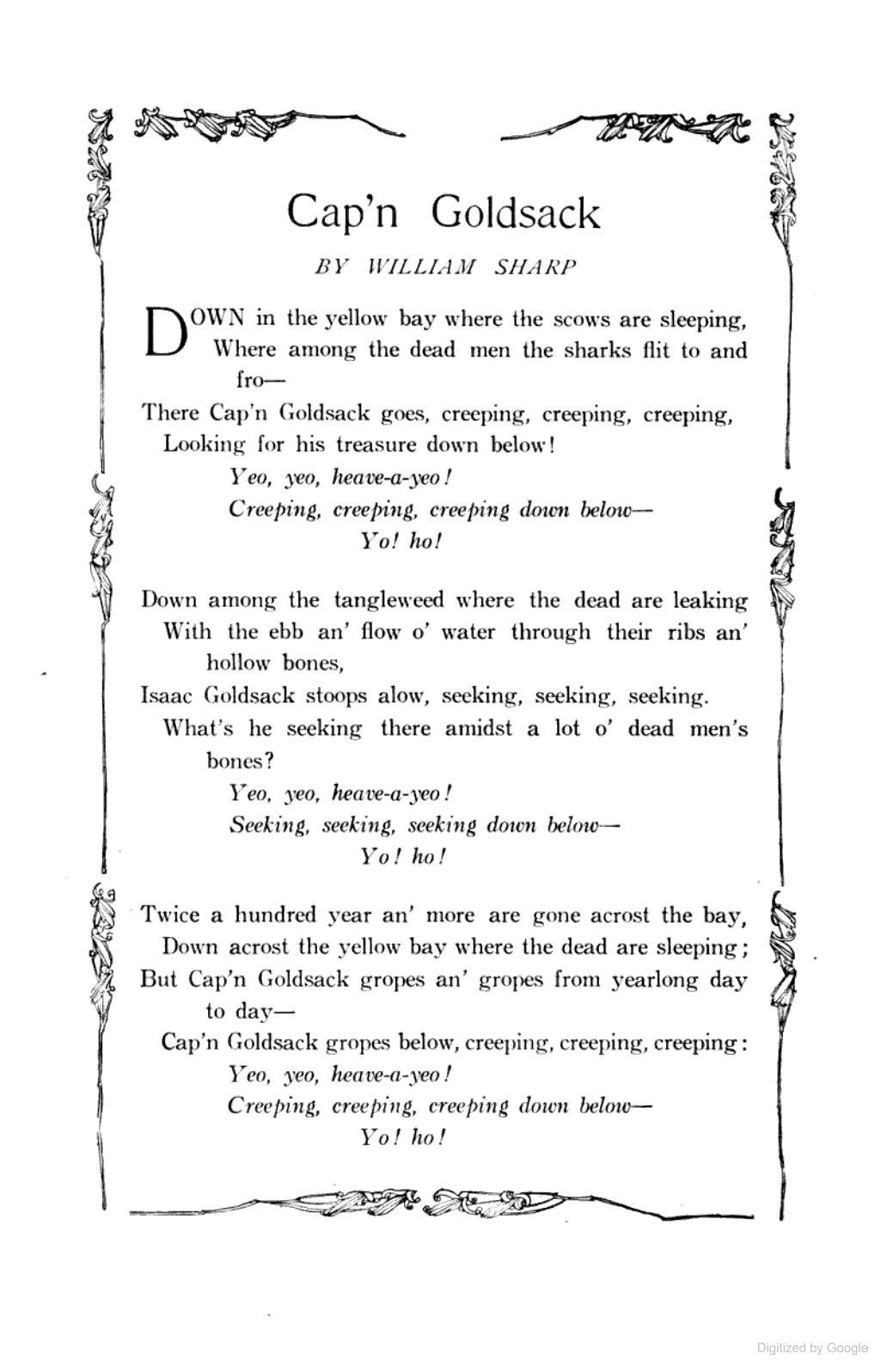
“Cap’n Goldsack” by William Sharp, Illustration by Howard Pyle, 1902
Copyright Benerson Little 2026. First published October 19, 2026. Last updated November 10, 2026.

Ghosts & Monsters for Halloween: Cinematic Nautical Romances & Swashbuckling Adventure
A brief and definitely eclectic list of cinematic nautical, piratical, or generally swashbuckling Hallowe’enish romance and adventure, written while procrastinating on other much longer blog posts. Enjoy!
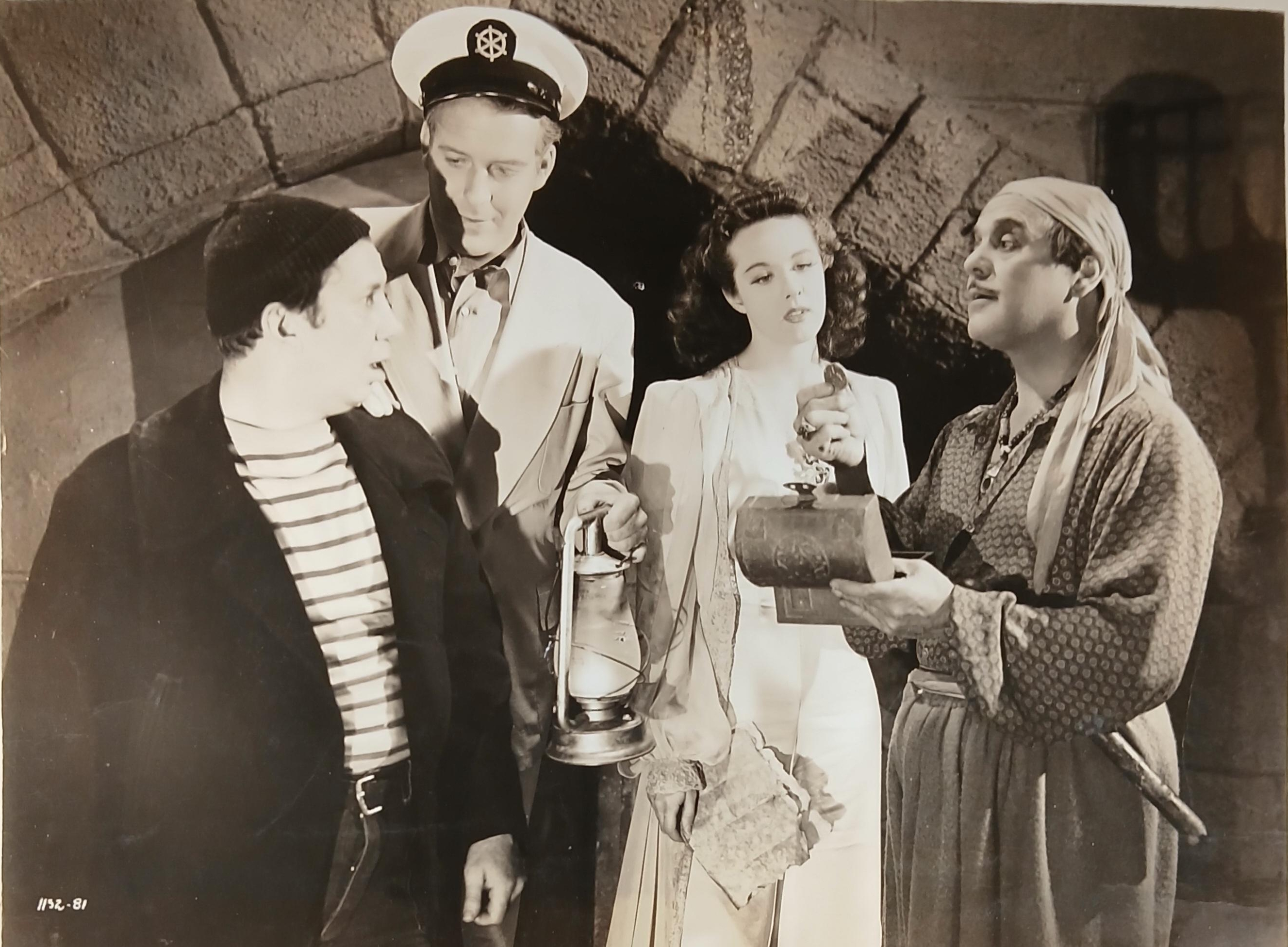
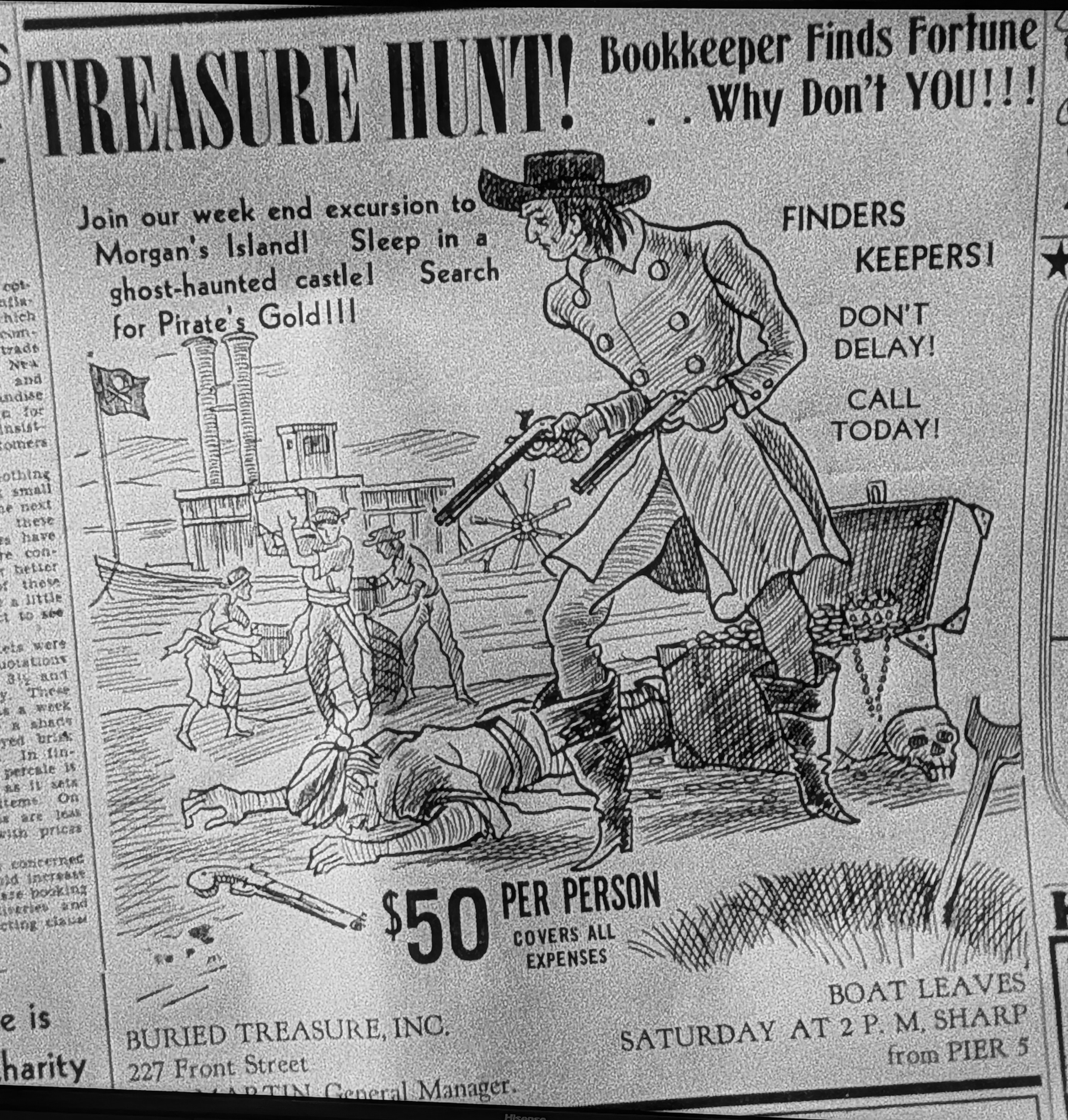
Horror Island
Campy lightweight 1941 fun from Universal’s horror vault. A B movie for sure but entirely enjoyable. Great sets and props, and every Scooby Doo buried pirate treasure trope and cliché imaginable. The Blu-ray transfer is excellent, given what the movie is.
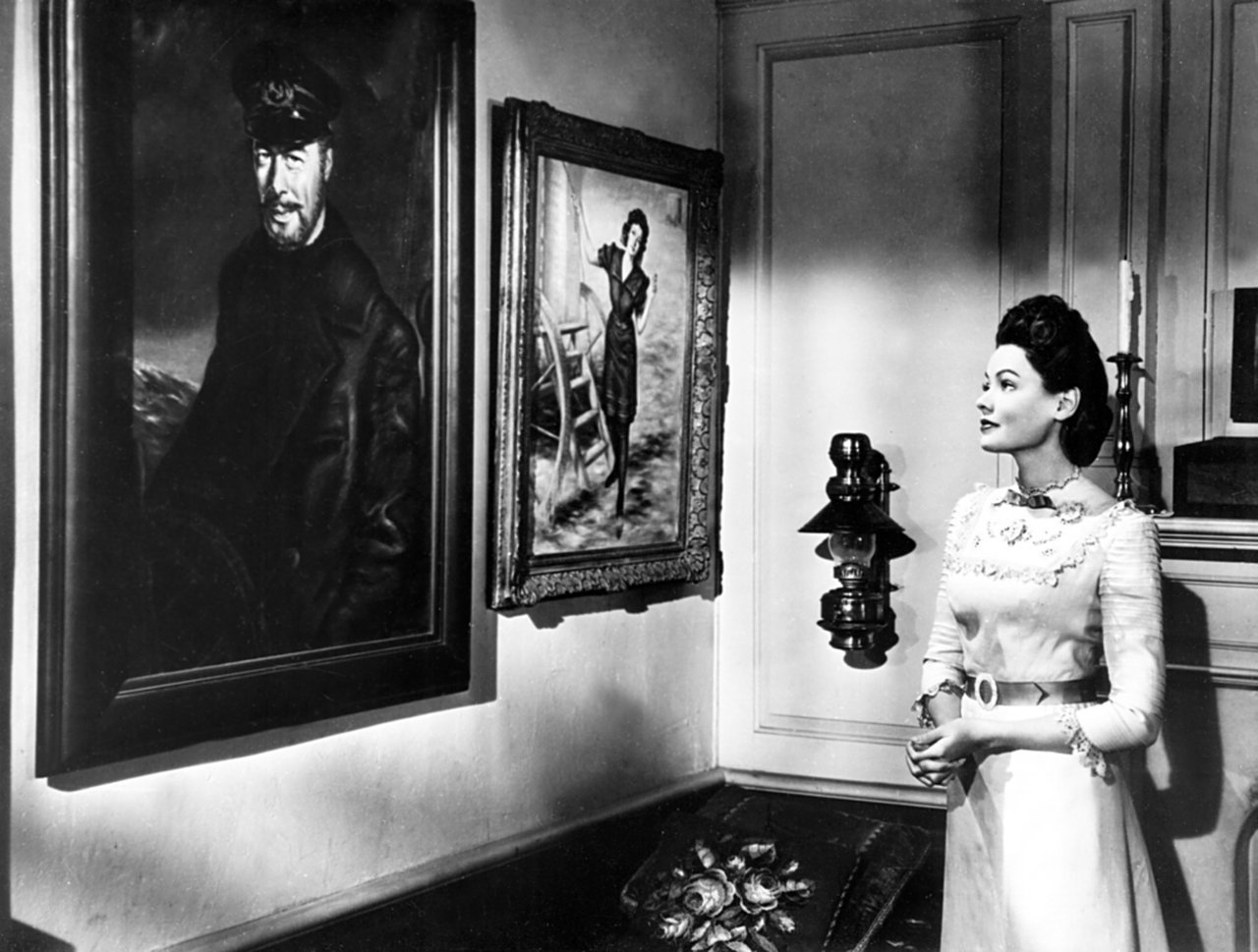
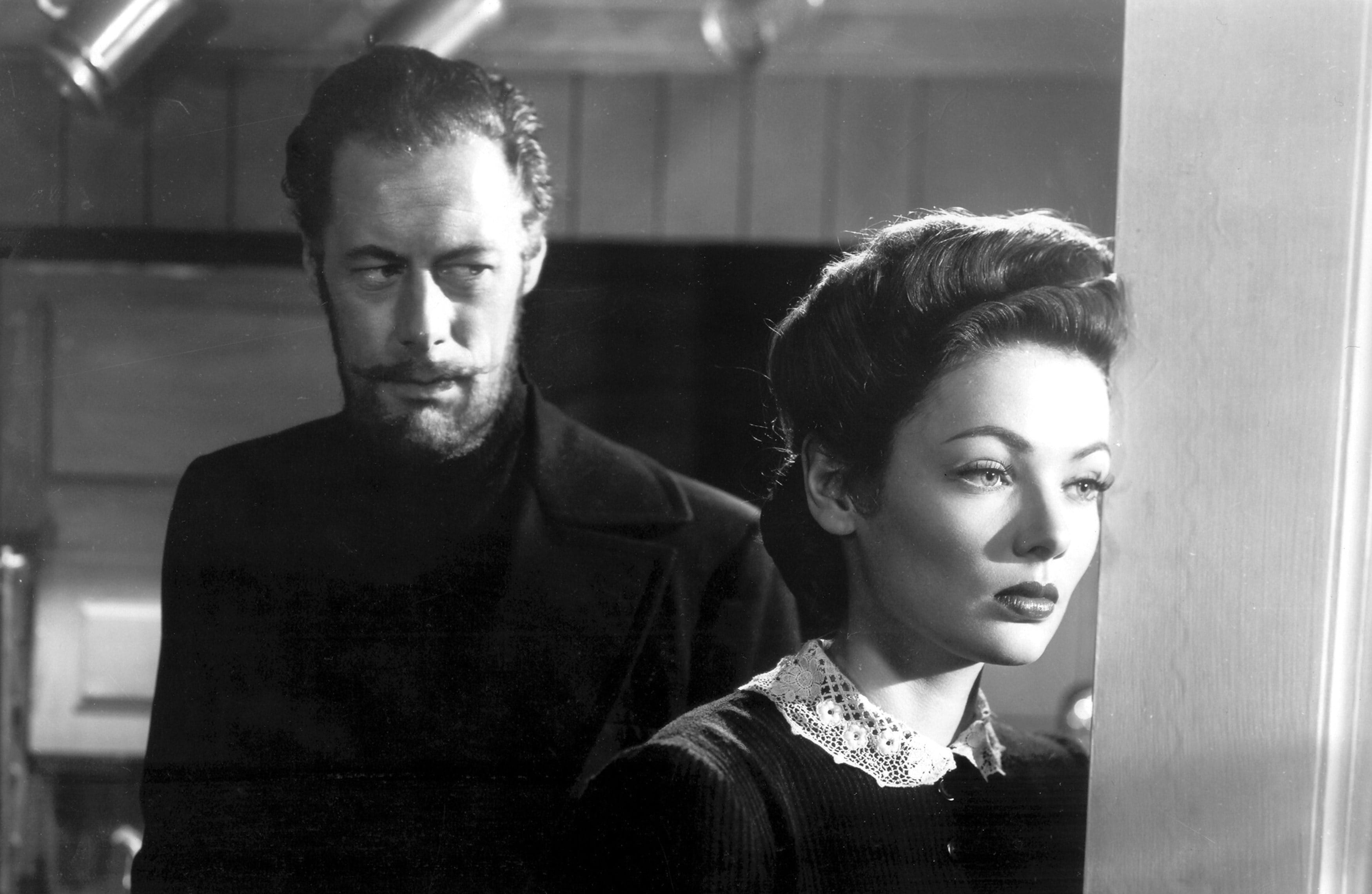
The Ghost and Mrs. Muir
For the romantically-inclined! A widow, a sea captain’s ghost, a haunted house, and true love — one of the great films of fantasy intersecting reality. Starring Gene Tierney and Rex Harrison. Twentieth Century-Fox, 1947, based on the novel by R. A. Dick.
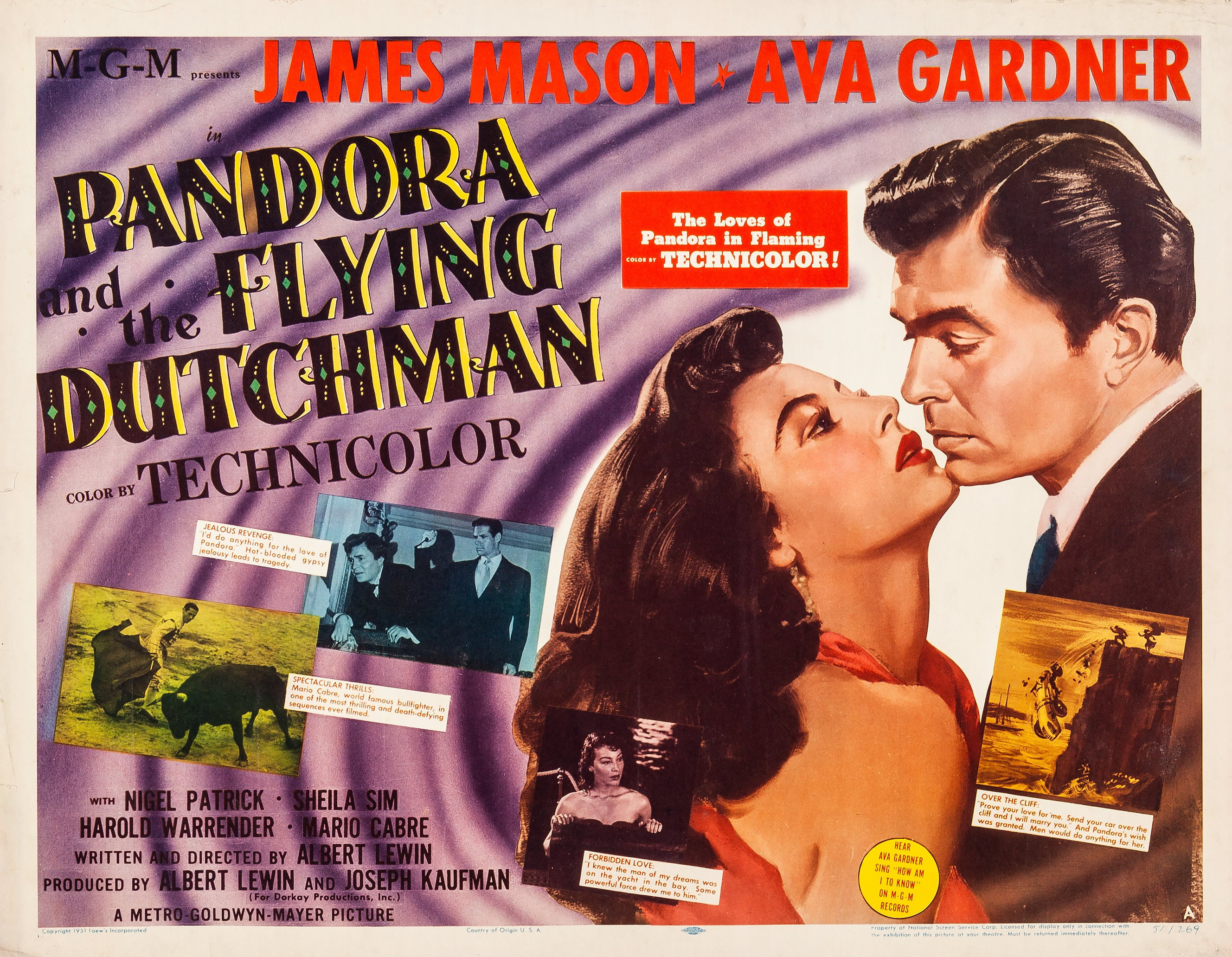
Pandora and the Flying Dutchman
The Flying Dutchman in the modern era: lost wandering souls, ancient sins, excellent insight into human nature, with spellbinding action and story, plus true love. An outstanding, elegant, sophisticated film starring Ava Gardner and James Mason. The New York Times has a short but updated review on a new digital transfer here.

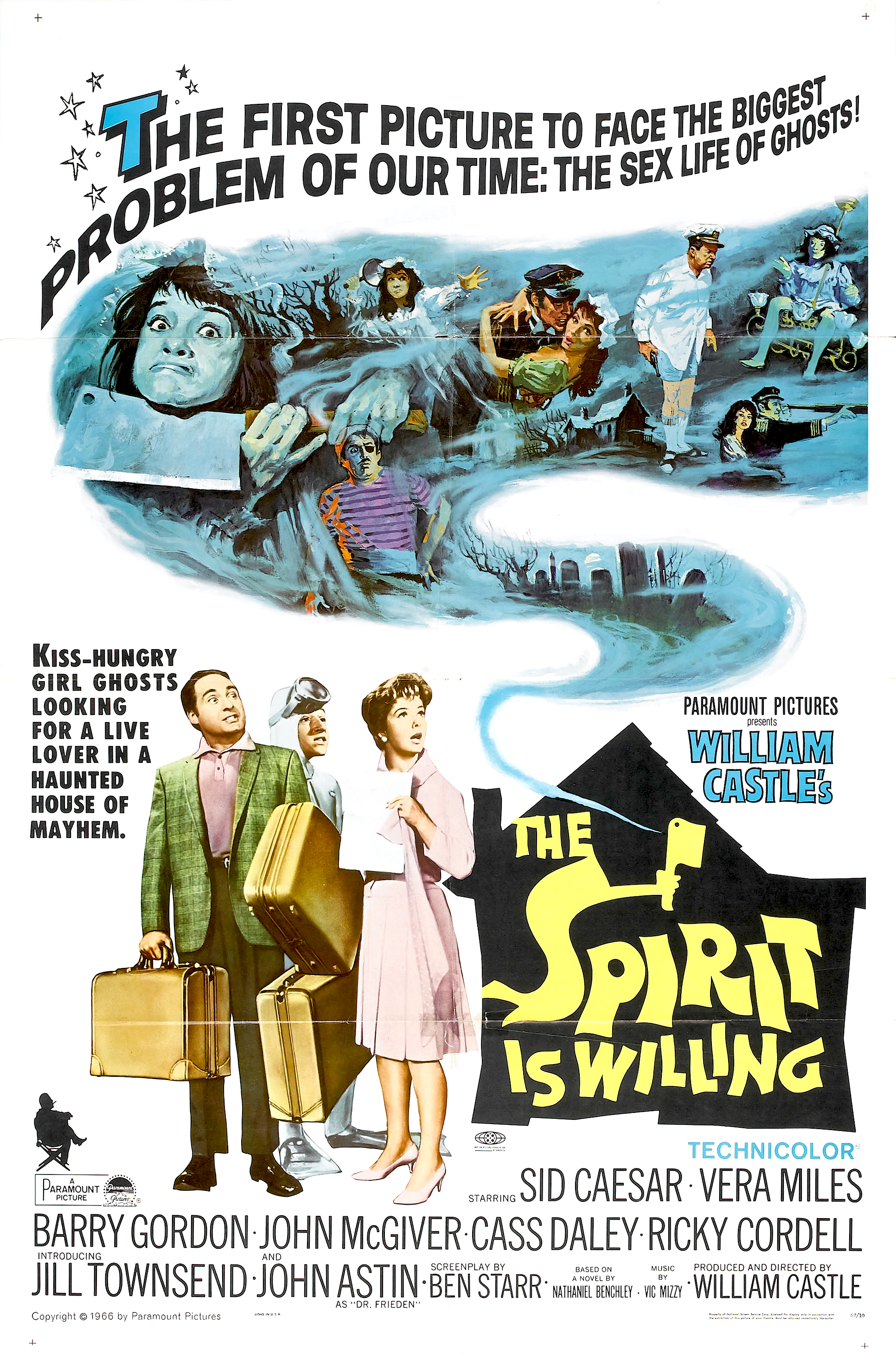
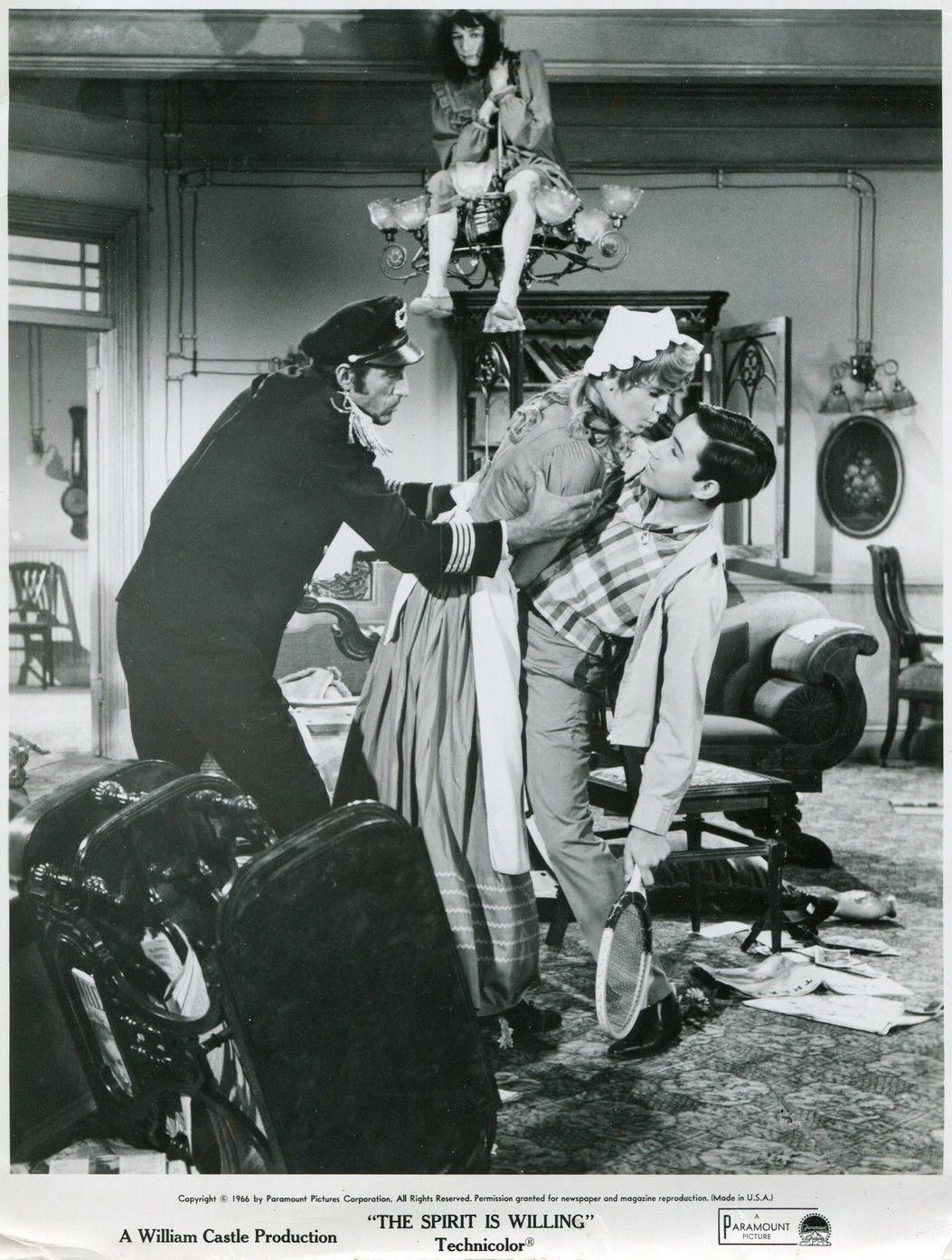
The Spirit is Willing
Nautical in the sense of a sea captain’s ghost, not to mention those of his wife and mistress, the cellar ghost scenes in this comedy of sex, mores, and manners frightened me into nightmares for weeks when I was eight or nine years old, humor notwithstanding. Paramount Pictures, 1967. Starring, among others, Syd Caesar, Vera Miles, and Gomez himself, John Astin. Based on the novel The Visitors by Nathaniel Benchley.
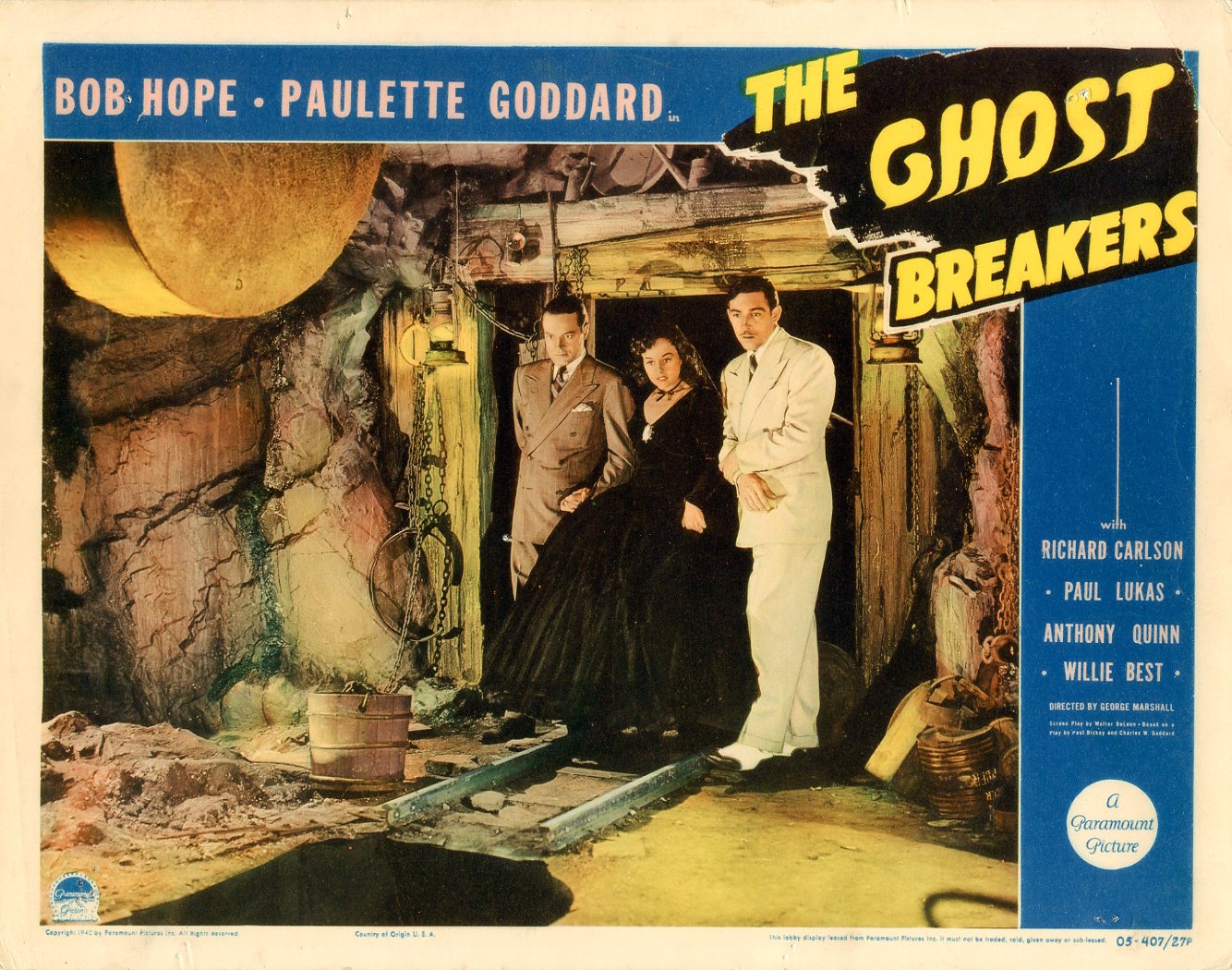
The Ghost Breakers
Not a swashbuckler or pirate flick, but the comedy does have a sea voyage, a Caribbean island castle, a voodoo zombie, ghosts, tropical Gothic mystery, and buried treasure, therefore it qualifies, especially given that I’m the final arbiter on this post. The mostly self-rescuing damsel in distress is played by delightful girl-next-door Paulette Goddard, the cowardly hero by Bob Hope, and his manservant by the brilliant Willie Best, some of whose scenes have racist overtones common to the era.

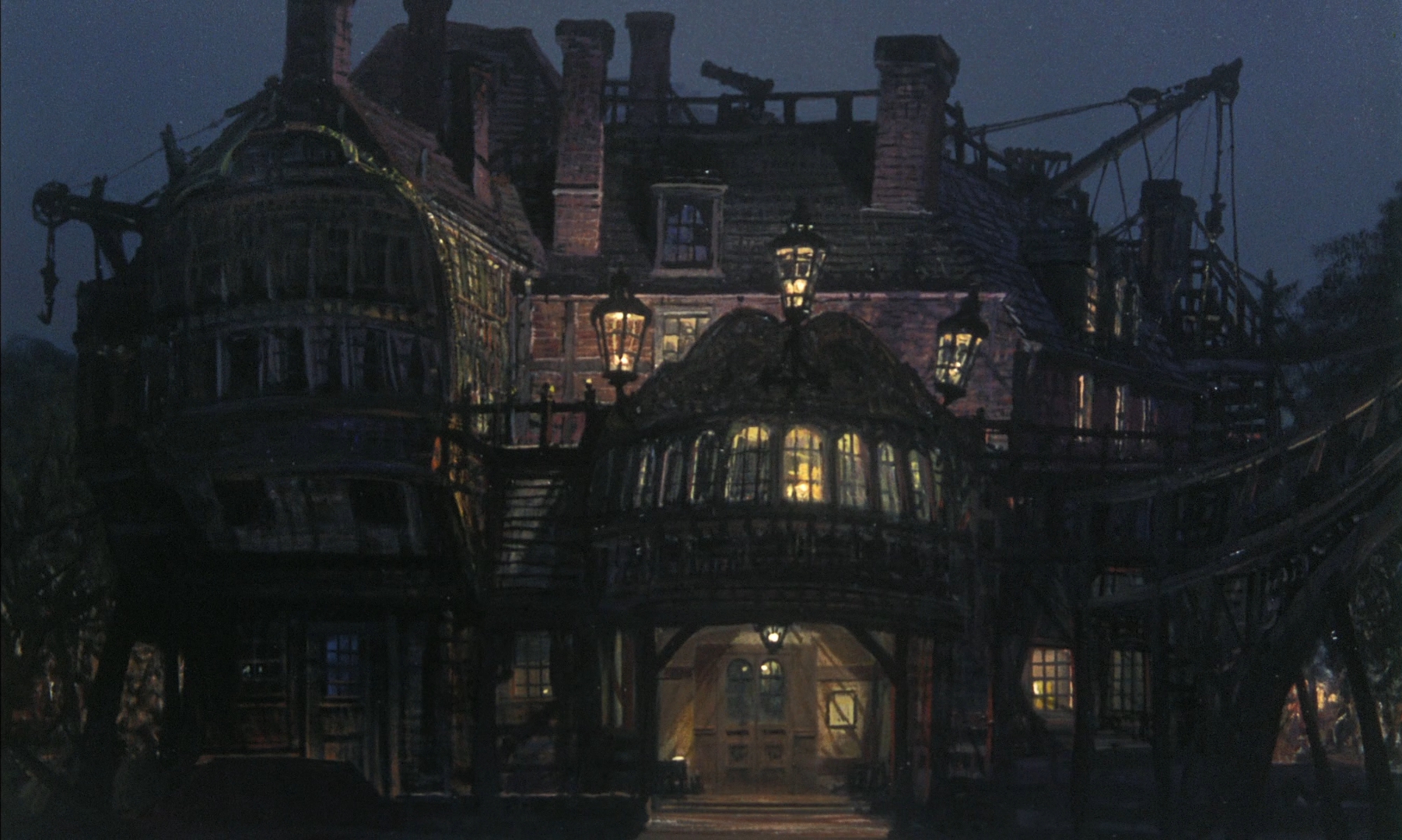
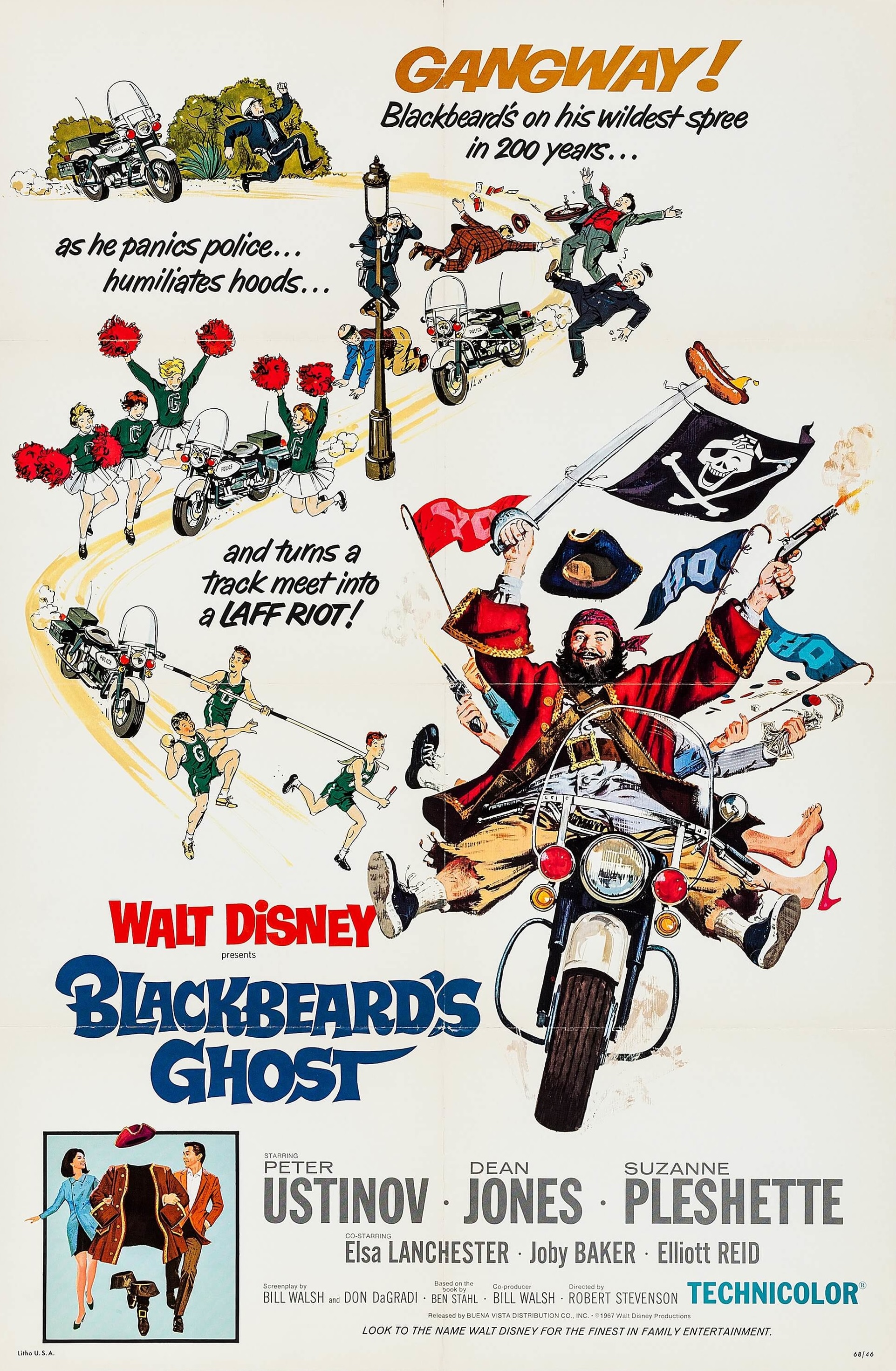
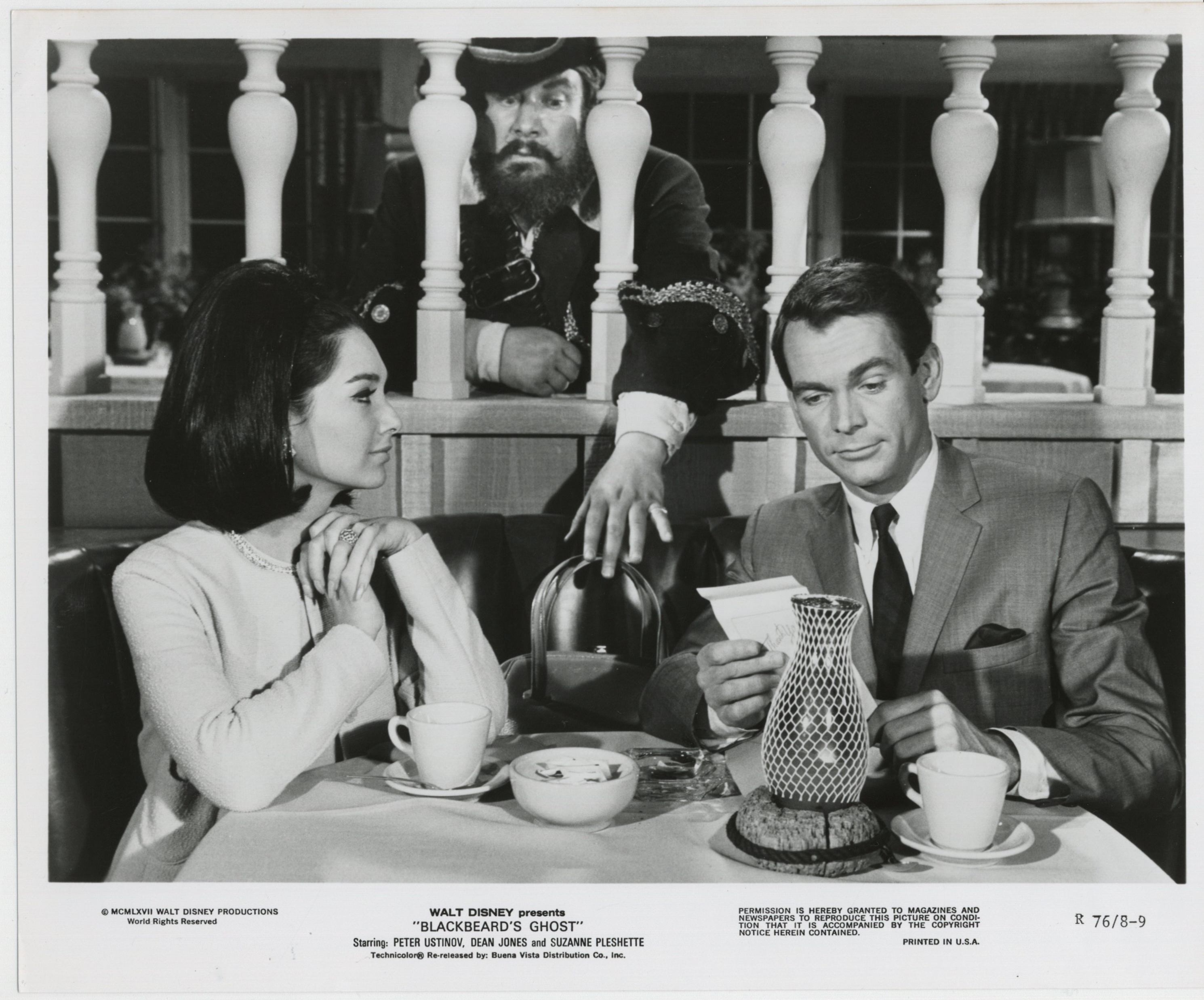
Blackbeard’s Ghost
Lighthearted, lightweight, fun, much more enjoyable than The Spirit is Willing (and rated G too), and with the coolest old pirate house ever filmed even if it was probably only paint-on-glass. Starring Peter Ustinov, Dean Jones, and the ever enchanting, ever captivating, girl next door Suzanne Pleshette. Based on the novel by Ben Stahl.
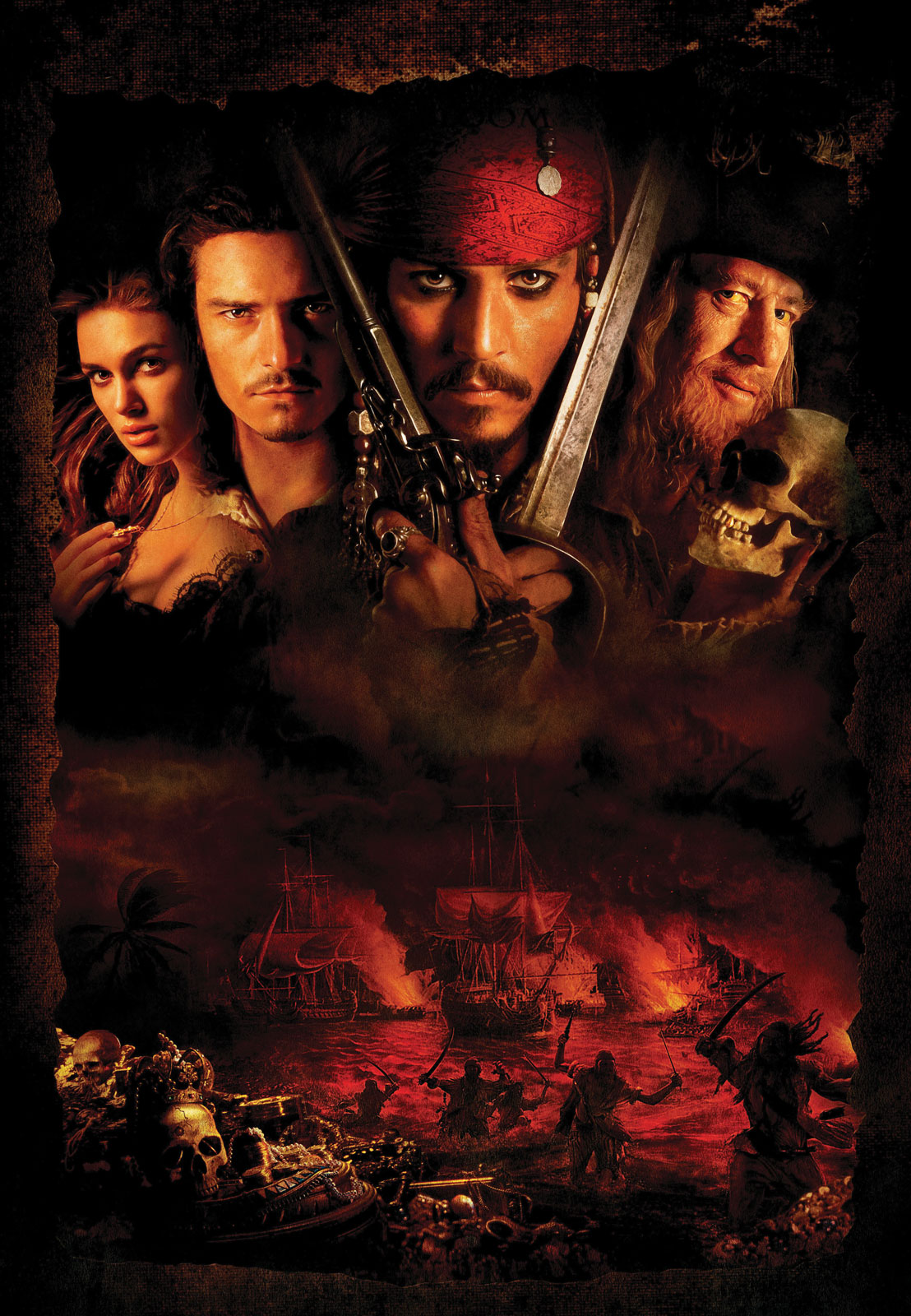
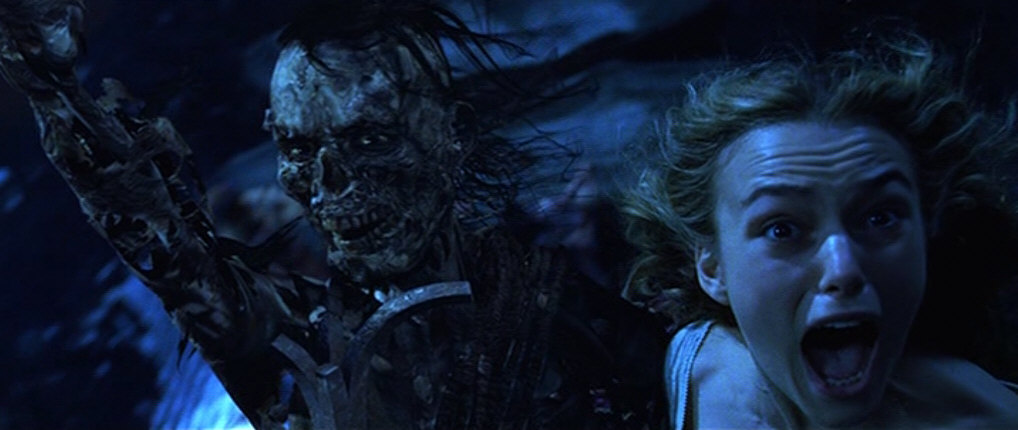
Pirates of the Caribbean: The Curse of the Black Pearl
Not as much a true pirate swashbuckler as it is swashbuckling pirate ghost story with a host of other fantasy nonsense added as well, in spite of its inspiration from the Disney ride depicting buccaneers sacking a hapless Spanish town. Declares Captain Barbossa to his captive and captivating Elizabeth Swann: “You best start believing in ghost stories, Miss Turner… you’re in one!” Starring Johnny Depp, Kiera Knightley, et al. Walt Disney Pictures, 2003.
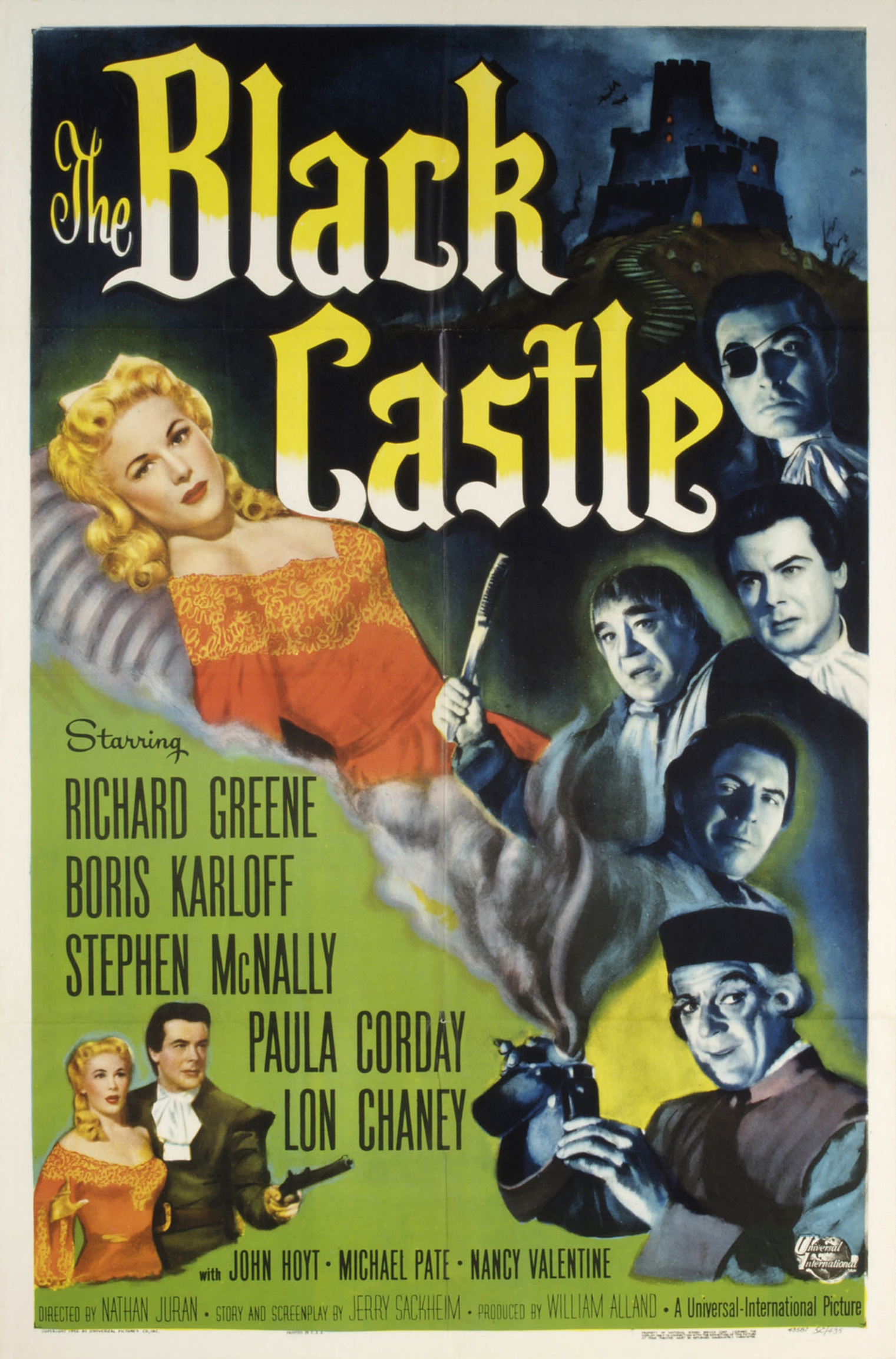
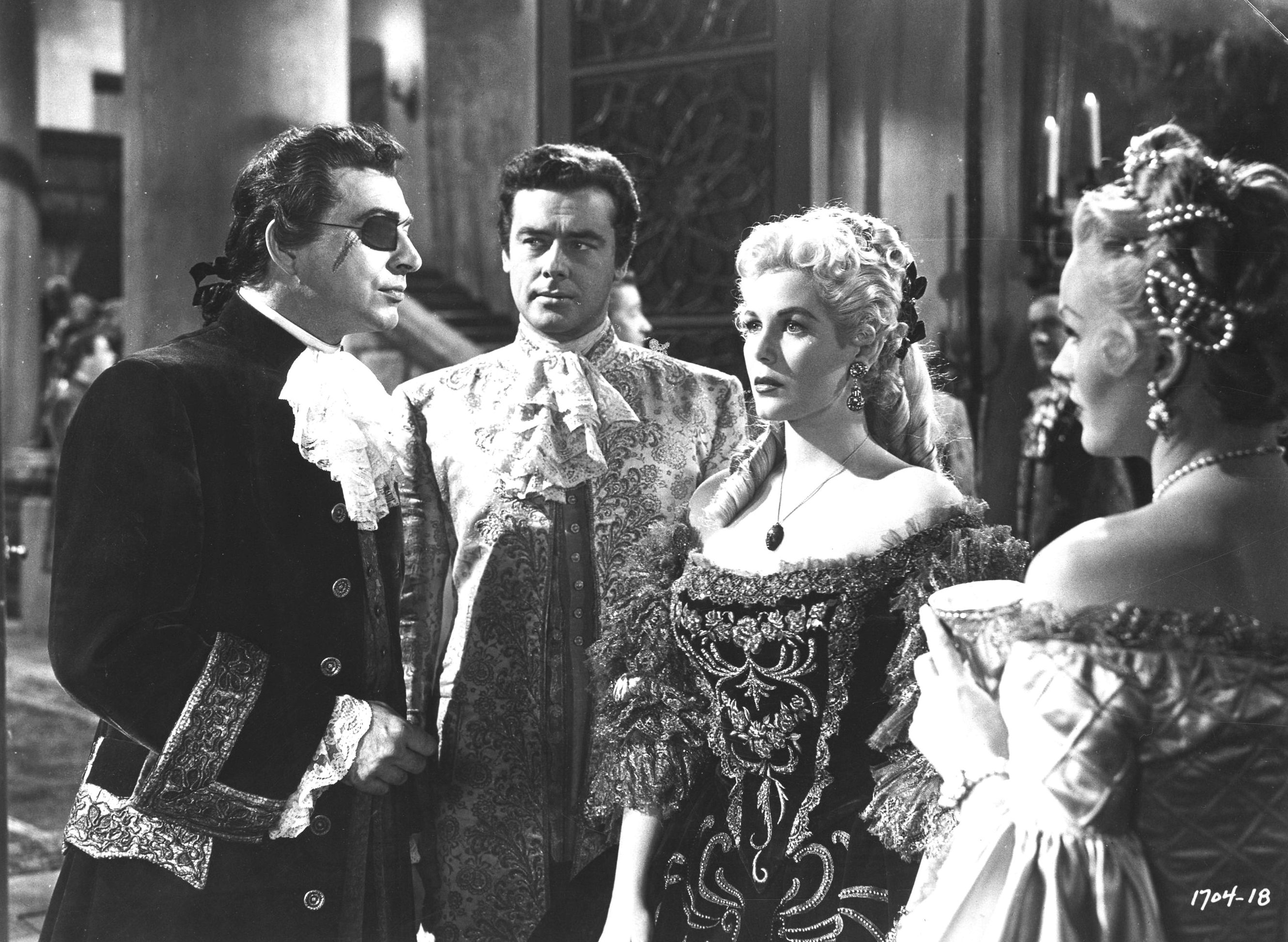
The Black Castle
By no means a great film, yet still an enjoyable B-movie diversion, with swordplay (albeit mediocre), a dark castle, a Green Man tavern, evil villains including a one-eyed swordsman, alligators in the dungeon (why not — alligators could live in a cold European dungeon, right?), coffins with living occupants, and, naturally, a fair damsel in distress. Starring Boris Karloff, film swashbuckler Richard Greene, Lon Chaney, and Paula Corday. Universal, 1952.
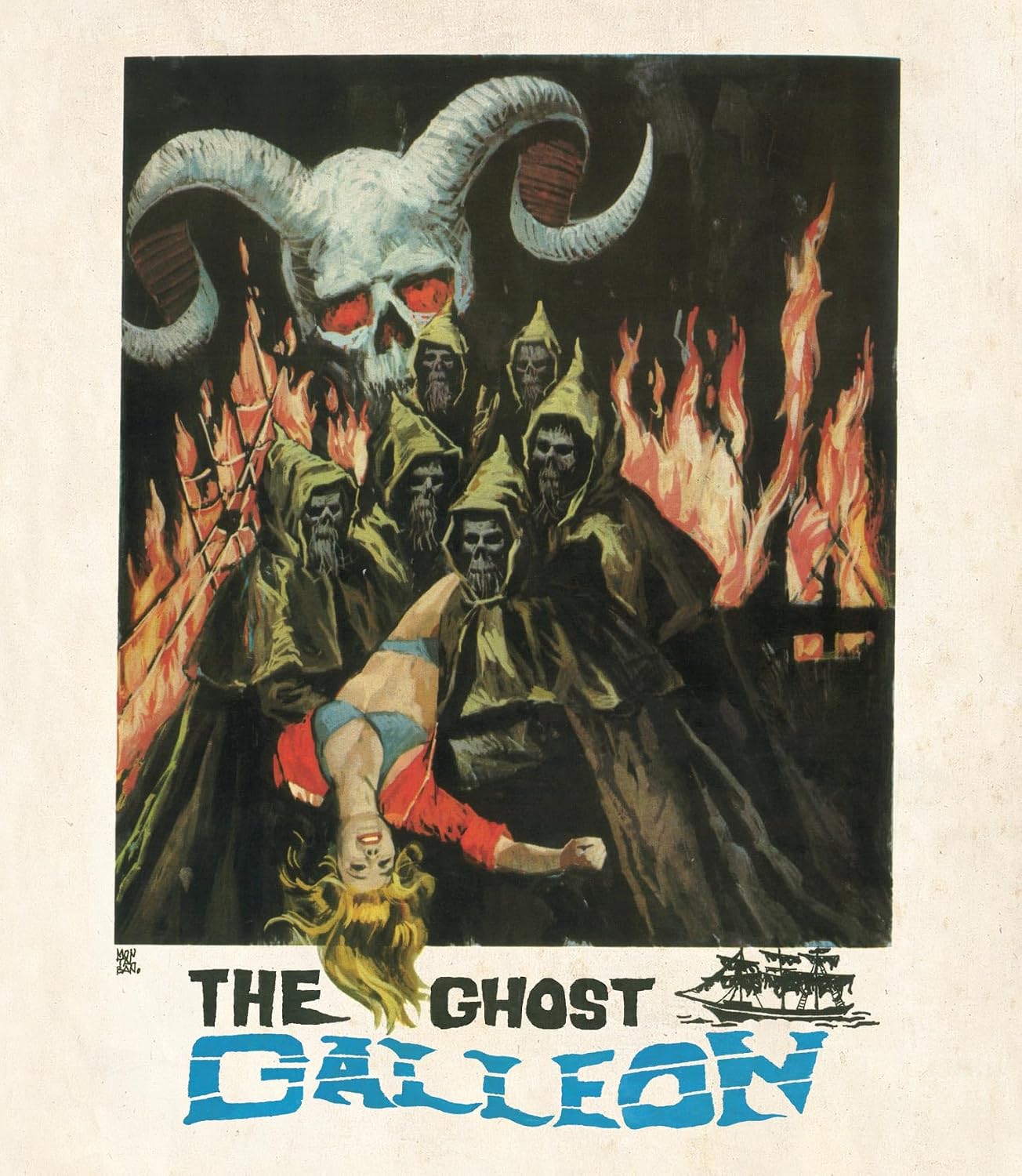
The Ghost Galleon
A ghostly galleon, Templar zombies rather than ghosts, several disagreeable cowardly villains, and less titillation than advertised. A cult classic, but awful — and not in that “so bad that it’s good” category — although aficionados of the genre disagree, giving it great ratings overall. Loaded with dated yet true-to-life patriarchal sexual tropes and behaviors but [Spoiler Alert!] at least the villains get their just due in the end. Available on 4K, whose purchase I regret. Still, it fits the category… Spanish, 1974, Belén Films.
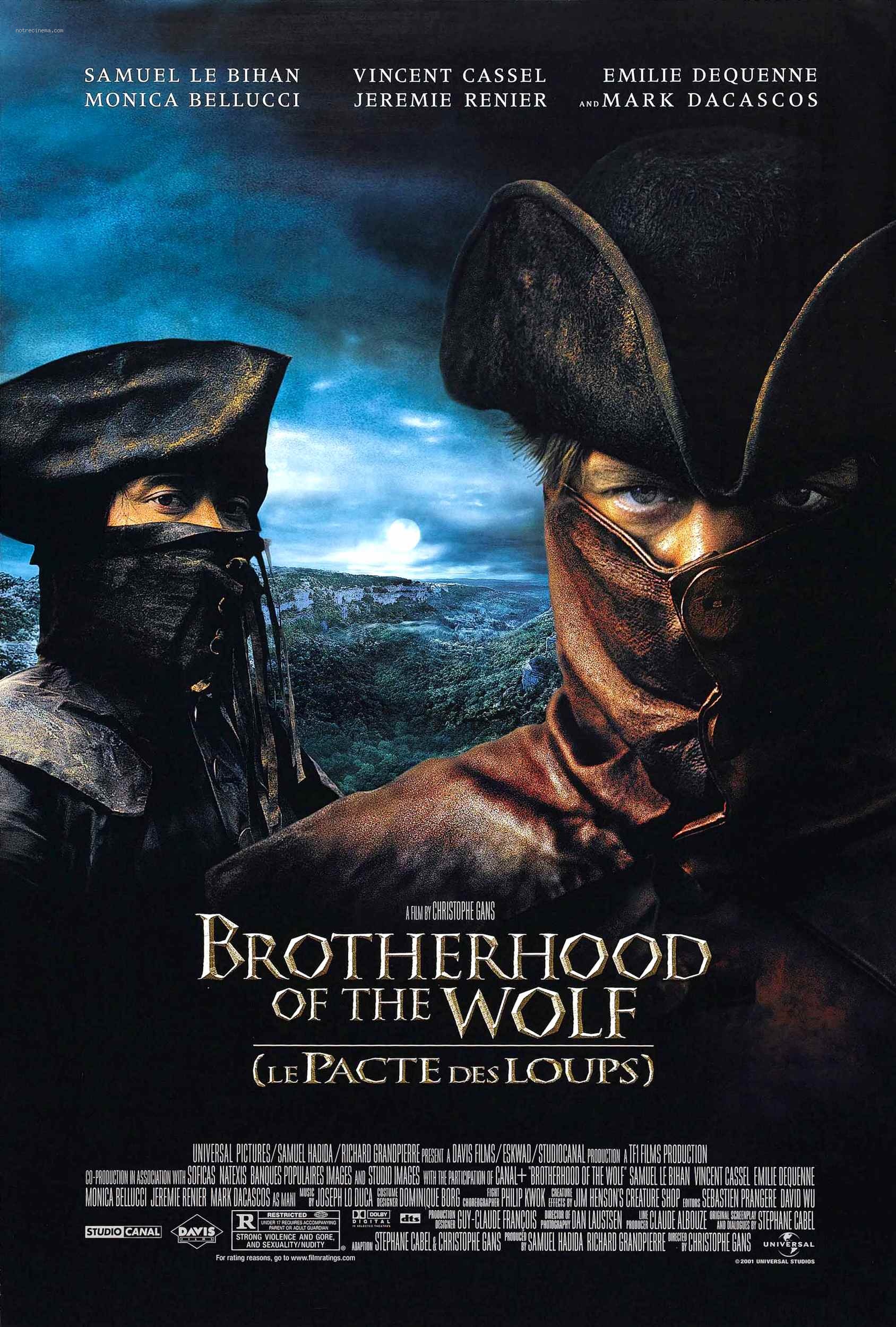
The Brotherhood of the Wolf
Last, the only film on the list truly bordering on twenty-first century modern horror in style, but with a cross-genre historical costume swashbuckling cape and sword twist. Based on the true story, never solved, of the Beast of Gévaudan. In this telling, the chevalier de Fronsac and his Iroquois friend Mani (a specialist in Eastern martial arts no less) investigate tales of the beast on behalf of the King. I’m not usually a fan of Eastern martial arts anachronistically slapped onto Western martial arts in period films set in Europe or the UK, but it more or less works this time–and it’s fantasy, after all. Starring Samuel Le Bihan, Mark Dacascos, Émilie Dequenne, Monica Bellucci, and Vincent Cassel. Canal+, 2001.

Copyright Benerson Little, 2020 – 2026. First published October 15, 2020. Last updated October 1, 2026.

The Myth of Sharp’s Buccaneers, the Wreck of the Santa Maria de la Consolación, and Isla de Muerto

The account of events is easy to find on the Internet: while on her two thousand mile voyage along the Pacific coast of South America in the spring of 1681, the Spanish merchantman–possibly a galleon, but likely only in the sense that any Spanish treasure ship might be known as a galleon–Santa Maria de la Consolación was sighted by one or more pirate ships under the command of the notorious buccaneer Bartholomew Sharp.
The Consolación only barely escaped by slipping into Guayaquil Harbor, but in her haste she wrecked on Isla Santa Clara. The buccaneers came ashore and, furious that the treasure was lost, tortured several of the crew and beheaded two of them.
So notorious were the acts of the buccaneers, or so one version of the story goes, that the island became known as Isla de Muerto.
The story has almost everything Hollywood has led us to expect in a pirate story.
But there’s a problem with this tale, as is there is with much that evokes Hollywood expectations.
Almost none of it is true.

The Buccaneers & the Santa Maria de la Consolación
Yes, there was a shipwreck.
The Santa Maria de la Consolación did run aground and sink.
And yes, the Consolación’s captain, crew, and passengers had been concerned about the pirates in the region, and yes, the pirates were commanded by the famous Bartholomew Sharp, at least most of the time.
But that’s all the truth there is.
Neither Sharp nor any other pirates chased the ship, nor did they come ashore after the wreck, nor did they torture or behead any of the crew or passengers.
In fact, the captain, crew, and passengers of the Consolación never saw any pirates at all, much led fled from any unless you consider the definition to include their haste to complete their voyage in case they might see them.
Bartholomew Sharp and his ship the Trinity were far to windward at the time. Only two or three months later did he and his buccaneers even learn that the Consolación had been at sea, and conditions made it impossible to search for her even though the sea rovers were in the area of Guayaquil.
Time, distance, and other circumstances–Fortune–ensured that the Trinity would never cross paths with the Consolación. Nor would the buccaneers even learn of the shipwreck until long after she had wrecked.

According to buccaneer and author Basil Ringrose (1684):
“August 19 [1681]. This day our pilot [captured July 29, 1681 aboard the Spanish ship El Santo Rosario] told us that, since were to windward, a certain ship that was coming from Lima bound for Guayaquil ran ashore on Santa Clara, losing there in money to the value of 100,000 pieces-of-eight; which otherwise, peradventure, we might very fortunately have met with.”
In fact, the buccaneers had no great guns (cannon) aboard their flagship, the Trinity, while the Consolación had more than twenty of brass and iron. Unless the buccaneers could have boarded the treasure ship, the battle might easily gone to the Spanish.
Sharp’s voyage is by far the most well-documented of any buccaneer or pirate voyage in history, with some seven members writing full or partial accounts. Further, Spanish records quite thoroughly corroborate the buccaneer accounts, including dates and locations. There is no possibility of mistake: Sharp and his buccaneers never sighted the Consolación, much less chased her, much less abused her crew. Having written several books on the subject of piracy, including extensive research on the subject of Bartholomew Sharp, I’m in a pretty good position to know.
Of course, there may, however, have been a small number of buccaneers who might have been briefly in the area, but they never saw the Consolación either and in any case were in no shape to have chased or attacked her. They were sneaking their way back to the Isthmus of Darien after having “mutinied” and parted from Bartholomew Sharp, finding his behavior as a commander less than acceptable.
La Isla de Muerto
One of these “mutineers” (they really weren’t mutineers, for buccaneer articles permitted crew members to leave the crew, provided that they paid for their provisions) was William Dampier, soon to become famous for his travels and books. He did write about the wreck when, as a member of a buccaneer crew three years later, they hovered around Guayaquil.

According to Dampier, writing of 28 November 1684 in his A New Voyage Round the World, “It is reported by the Spaniards, that there is a very rich Wreck lies on the North-side of that Island [Santa Clara], not far from it; and that some of the Plate hath been taken up by one who came from Old-Spain, with a Patent from the King to fish in those Seas for Wrecks; but he dying, the Project ceased, and the Wreck still remains as he left it; only the Indians by stealth do sometimes take up some of it; and they might have taken up much more, if it were not the Cat-fish which swarms hereabouts.”
If we look at several of the Basil Ringrose and William Hack (or Hacke) charts of the Bay of Guayaquil, based on a captured Spanish derrotero, we learn that Isla Santa Clara was known as Isla de la Muerto not because there was a massacre there, but because it is shaped like “the corps of a man in a shroud.” Dampier also notes that “it appears like a dead Man stretched out in a Shroud.”

From this would derive not only the island’s nickname, but also the myth. An additional suggestion toward the myth may come from a line in a copy of another of Hack’s South Sea waggoners, shown in the image below. Sharp, however, never actually gave chase as attested by numerous buccaneer accounts and Spanish records.

In other words, the coins aren’t cursed Aztec treasure (wrong region anyway), or cursed by direct association with pirates who tortured the crew, or cursed at all unless you consider the coca chewing slave labor used in extracting the Potosí silver from the mines or in refining it with poisonous quicksilver.

Salvage Coins
And if there were no massacre, any marketing done to sell coins salvaged from the wreck is misleading. I own a few coins from the wreck and as I recall there were references to the massacre in the associated descriptions and apparently still are. Why does this matter? Because people buying the coins might want to know that, although there is a buccaneer association, it’s not as close as often advertised.
Yet the purported association lures buyers. In fact, some several or more years ago I purchased one of these wreck-salvaged pieces-of-eight from a reportedly reliable coin vendor on ebay as a memento. I’m not a big coin collector, and generally don’t care for salvage coins. Perhaps as few as two or three wrecks whose coins are available on the market have an indirect relationship to actual pirates or sea rovers, and most salvage coins are in poor shape as compared to many “land hoard” coins. I prefer coins that have been handled and used, not those that have lain for centuries at the bottom of the sea soon after being minted. In other words, I prefer coins with a long active history.
However, having written several times of Bartholomew Sharp and his South Sea buccaneers, I thought a coin or two from the wreck of the Santa Maria de la Consolación off Santa Clara Island in the Bay of Guayaquil would be in order, given its association with the South Sea buccaneers. I found a third one reasonably priced, from a reliable coin vendor with high ratings and thousands of transactions. The coin was not expensive, as eight reale pieces-of-eight go, and was priced in the lower end of the range. I did not examine it too closely before buying it, although I ran it past the images of forged pieces-of-eight on the Daniel Sedwick website. But when I received the coin I was perplexed. It appeared genuine, but there was no sea damage at all, nor did the coin match any description of any New World coin.
Eventually I appealed to Mr. Sedwick to evaluate the coin for me. The coin was genuine, as I thought, but was a common piece-of-eight minted in Spain, “Seville” as it was called by the English in America, and not one from the wreck of the Santa Maria. Further, as Mr. Sedwick pointed out to me in an email, upon close examination it was apparent that the certificate of authenticity had been forged. I hesitate to accuse the vendor I purchased it from of this, although as a professional he should have spotted it.

More curious, though, is what the certificate forger, not to mention criminal jackass, whoever he or she was, expected to get away with. Perhaps he or she intended to capitalize on the inexplicable (to me at least) preference for sea salvage coins over land hoard and circulated coins which are typically in much better shape, although not always. Whatever he or she intended, the coin’s pretended shipwreck status did nothing to increase its value. Comparable Spain-minted coins often go for more money than I paid for it. I lost nothing on the transaction except the coin as memento. Now it’s part of a display of three coins as examples of the three types of pieces-of-eight described by English merchants in the Americas: Mexico, Peru, and Seville, based on their origins.
Ebay is often criticized for failing to scrutinize its coin vendors enough, and buyers need to be careful when buying from anyone other than a highly reputable dealer who deals regularly in Spanish cobs. Mr. Sedwick’s book, The Practical Book of Cobs has good sections on buying coins and spotting fakes. Although an expensive book, readers should also review Sewall Menzel’s Cobs: Pieces of Eight and Treasure Coins–The Early Spanish American Mints and Their Coinages, 1536-1773. (However, I should note that as of the date of original publication of this post, even Mr. Sedwick’s page associated with this wreck incorrectly stated that the pirates tortured some of the survivors &c.)
A bit of advice: don’t simply accept any claims made on the Internet. Double-check them. Start with books on the subject, and especially look for citations. If there are no citations in an Internet article, or even a book, be highly suspicious. For that matter, be a bit suspicious even if there are. Check the citations: you might be surprised to learn how often citations don’t actually support the claim. (This is unfortunately true even in some PhD-level scholarship more often than it should be: most often it’s a deliberate omission or even outright deception by various academic ideologues.)
In the case of these coins, you’ll find not only that there really aren’t citations given at all to support the claims, but also that the descriptions are all very similar, often identical. In other words, they all have the ultimate incorrect source. And when you go looking for books to support the claim you won’t find any. So why hasn’t the story been changed, even though I’ve challenged it on the Internet for some years now, and in books as well? Even though no scholarly work on Sharp’s voyage mentions it? Even though the written accounts of the buccaneers themselves not only don’t mention it but dispute it?
Money.
The purported pirate association makes the coins more likely to sell, or so the thinking goes, and in some cases permits a higher price.
Still, none of the foregoing should devalue the coins as “pirate treasure,” including the fact that the buccaneers never chased the ship. Sharp’s voyage was epic, and these coins are what he was after. The Santa Maria de la Consolación, sailing alone, struggled to make it safely to port, in fear all the while of Sharp’s buccaneers. These coins are the closest pieces-of-eight readily available–and affordable–to what we would describe as “buccaneer treasure.”
Copyright Benerson Little 2019. First published February 13, 2019. Last updated April 5, 2019.

