
Home » Posts tagged 'E.R.G.R. Evans'
Tag Archives: E.R.G.R. Evans

For Halloween: Ghostly & Gothic Nautical Adventure In Fiction
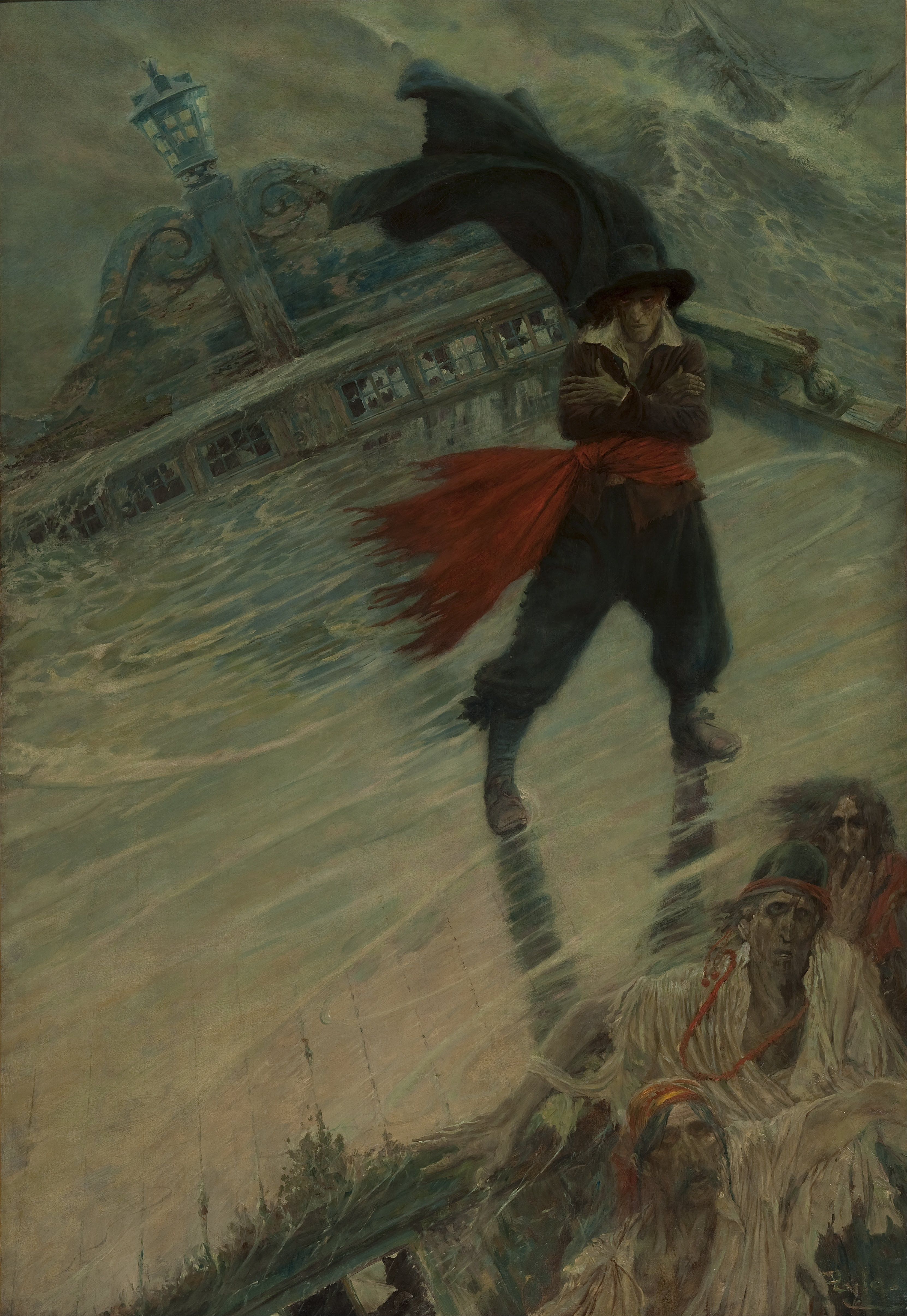
In keeping both with my post on Ghosts & Monsters for Halloween: Cinematic Nautical Romances & Swashbuckling Adventure and with my urge to procrastinate by writing easy blog posts rather than finishing more complex ones, not to mention the Annotated Captain Blood, here are a few books, short stories, and a poem suitable to sea roving adventure on All Hallow’s Eve. I’ve included nothing I haven’t read, which means there are some likely future additions.
Fantasy pirate and horror pirate are not my favorite genres although I’ve read plenty, usually in the weeks leading up to Halloween, a holiday we celebrate well thanks to a daughter born on the day, and to the women in my life in general, all of whom could be described as fey. I’ve had friends and readers suggest to me that I write fantasy pirate novels — “That’s where the money is,” they say — but so far I’m unwilling to give up my firm belief that the true pirate swashbuckler will one day regain its rightful place. But enough digression. Onward to Halloween pirates and other ghostly ghastly seafarers and sea victims in fiction!
The Phantom Ship by Frederick Marryat, 1839
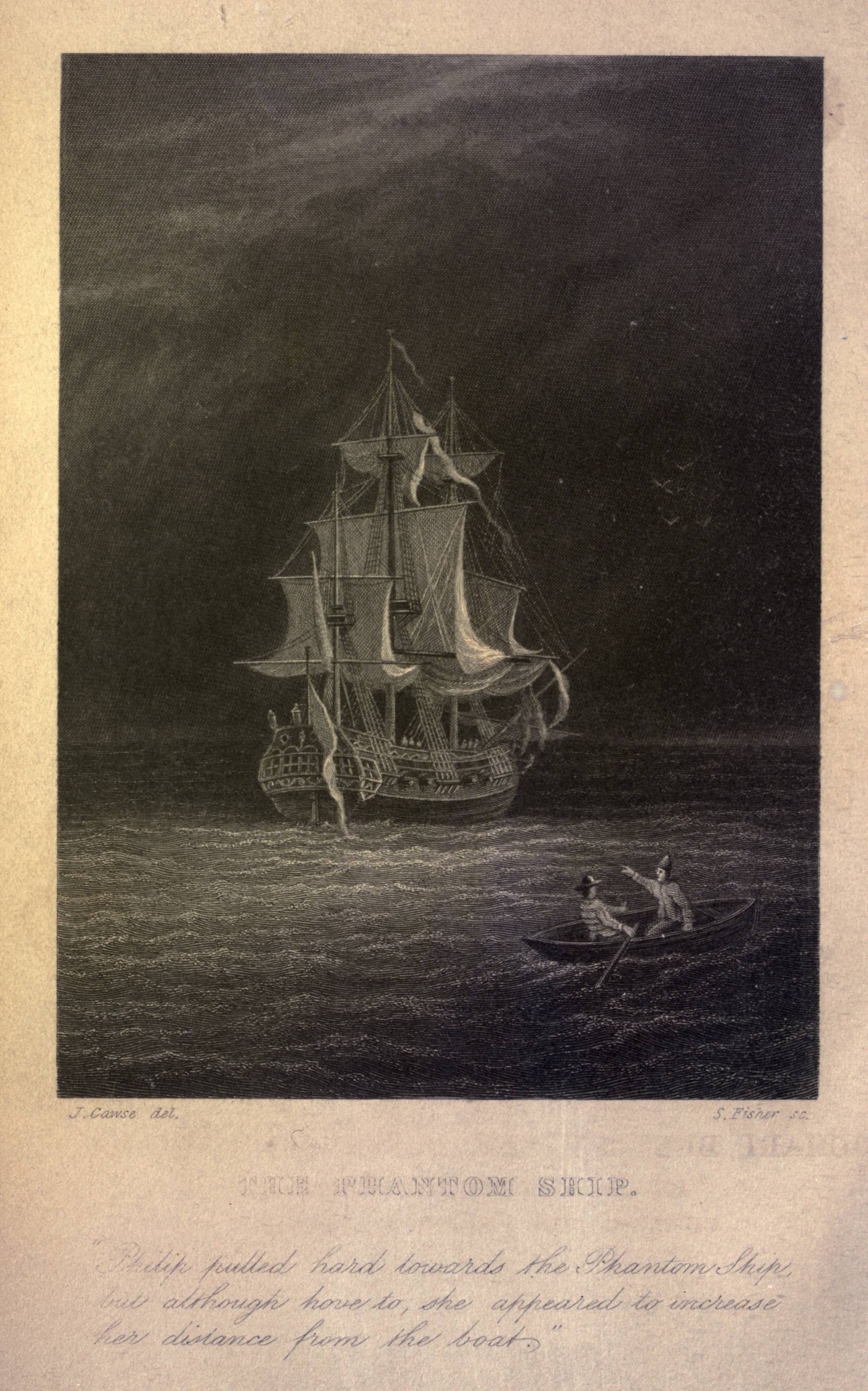
The Flying Dutchman, the sins of Vanderdecken the father visited upon the son, along with with true love, buried treasure, an odyssey of redemption, a cackling supernatural messenger incarnate and evil, plus ghosts, Arabian magic, and even, briefly, a werewolf tale! All written by a former post captain in the Royal Navy. No impossible ship-handling here! (Other than the spectral ship, of course.) A grand fun read. Ignore the reviews early and modern, including one believed to have been written by Poe — critics, especially successful writers engaging in literary criticism, are often insufferably jealous narcissists practicing unintended comedy.
The Rime of the Ancient Mariner by Samuel Taylor Coleridge, 1798
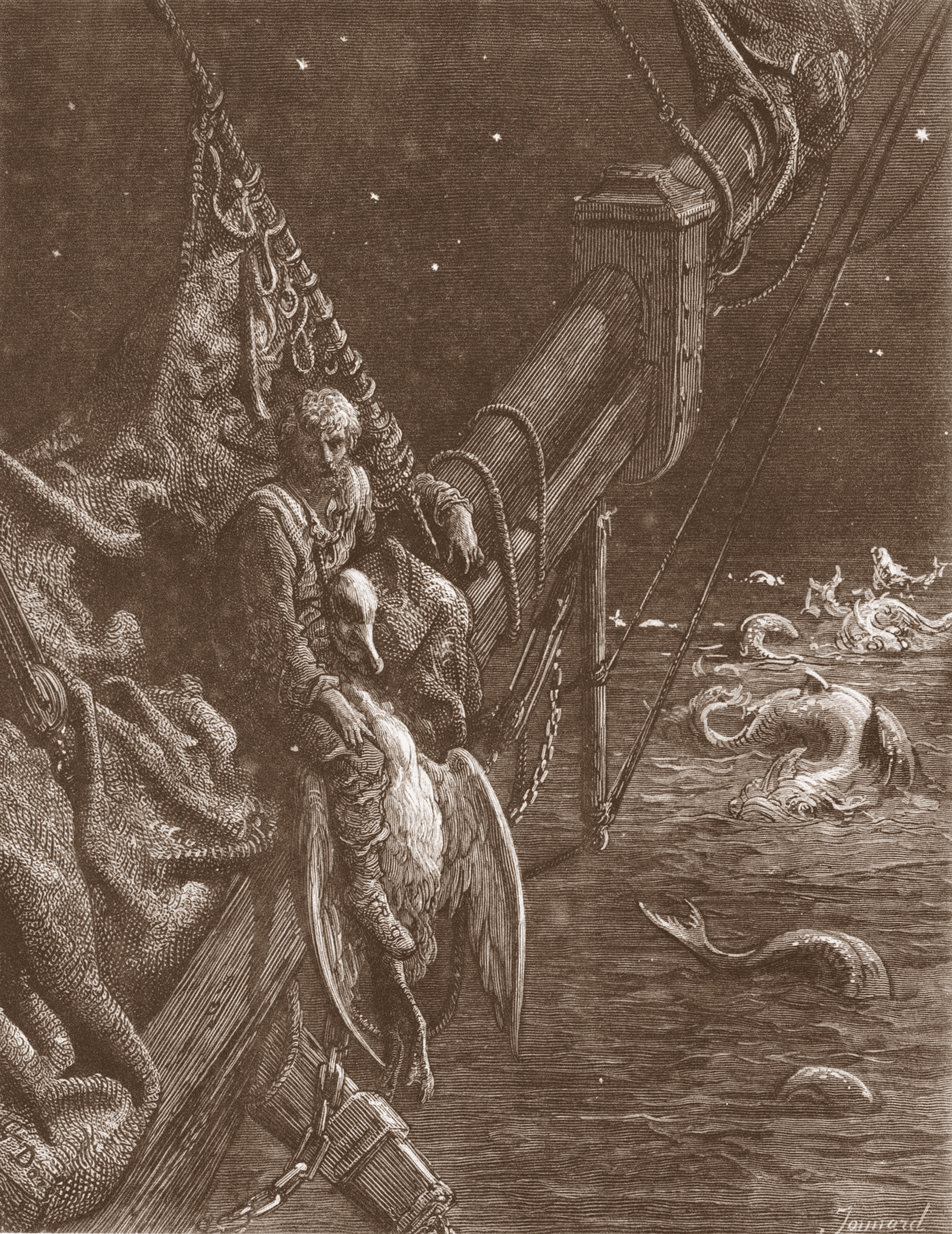
“Water, water, every where, // Nor any drop to drink[!]” A cursed sea voyage, an albatross that brought fair winds murdered and hung ’round the killer’s neck — the ancient mariner tells his dark tale to a wedding guest. The poem was inspired in part by the killing of an albatross by a pompous officer named Hatley during the disastrous 1719 – 1722 South Sea privateer voyage commanded by George Shelvocke: shipwreck and marooning, mutiny, self-rescue, quasi-piracy, even that horror of horrors, a lawsuit afterward! A trifle as compared to the voyage of the Ancient Mariner.
The Ghost Pirates by William Hope Hodgson, 1909
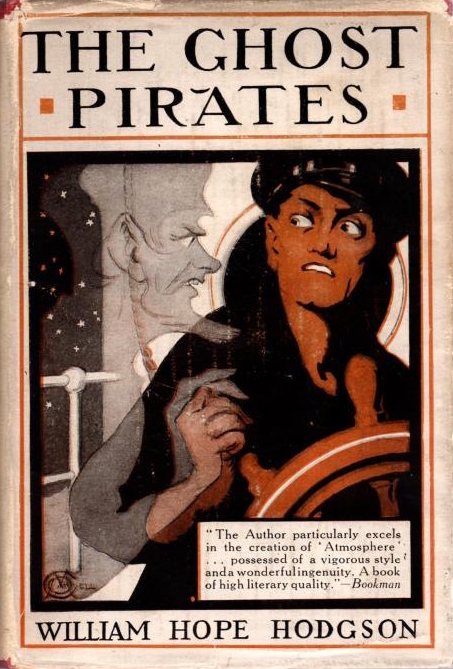
A classic, and surely the greatest of the ghosts at sea genre. The taut writing suits the mood: evil creatures — demons? zombies? ghosts? beings from another realm? — slowly, methodically, terrifyingly taking over an age of sail merchantman and killing its crew. Few novels bring a sense of deadly dread to life so well. To climb aloft is no escape…
“The Ghost-Ship” by Richard Middleton, 1912

I first read this story in The Jolly Roger: Pirate Stories for Boys (Milton Bradley Company, 1928), a collection of pirate fact and fiction whose plate of pirate flags, copied exactly from that in The Blackwall Frigates by ???? (1922), was recommended by screenwriter Casey Robinson as the source for the flag used in Captain Blood starring Errol Flynn. “The story”The Ghost-Pirate” was originally published in a collection of the author’s short stories in 1912. Alas, there is only one pirate ghost tale, but to my great pleasure the collection includes two stories not on writing but on being a writer. Middleton’s amused, wordly-wise, self-deprecating take on writers, writing, and publishing closely mirrors my own. Nothing has changed in more than a century but the tools. As for “The Ghost Ship,” it’s a jovial domestic tale of a ghost pirate ship commanded by Bartholomew Roberts cast ashore during a storm into small town known for its own ghosts, and the subtle mayhem that ensues.
On Stranger Tides by Tim Powers, 1987
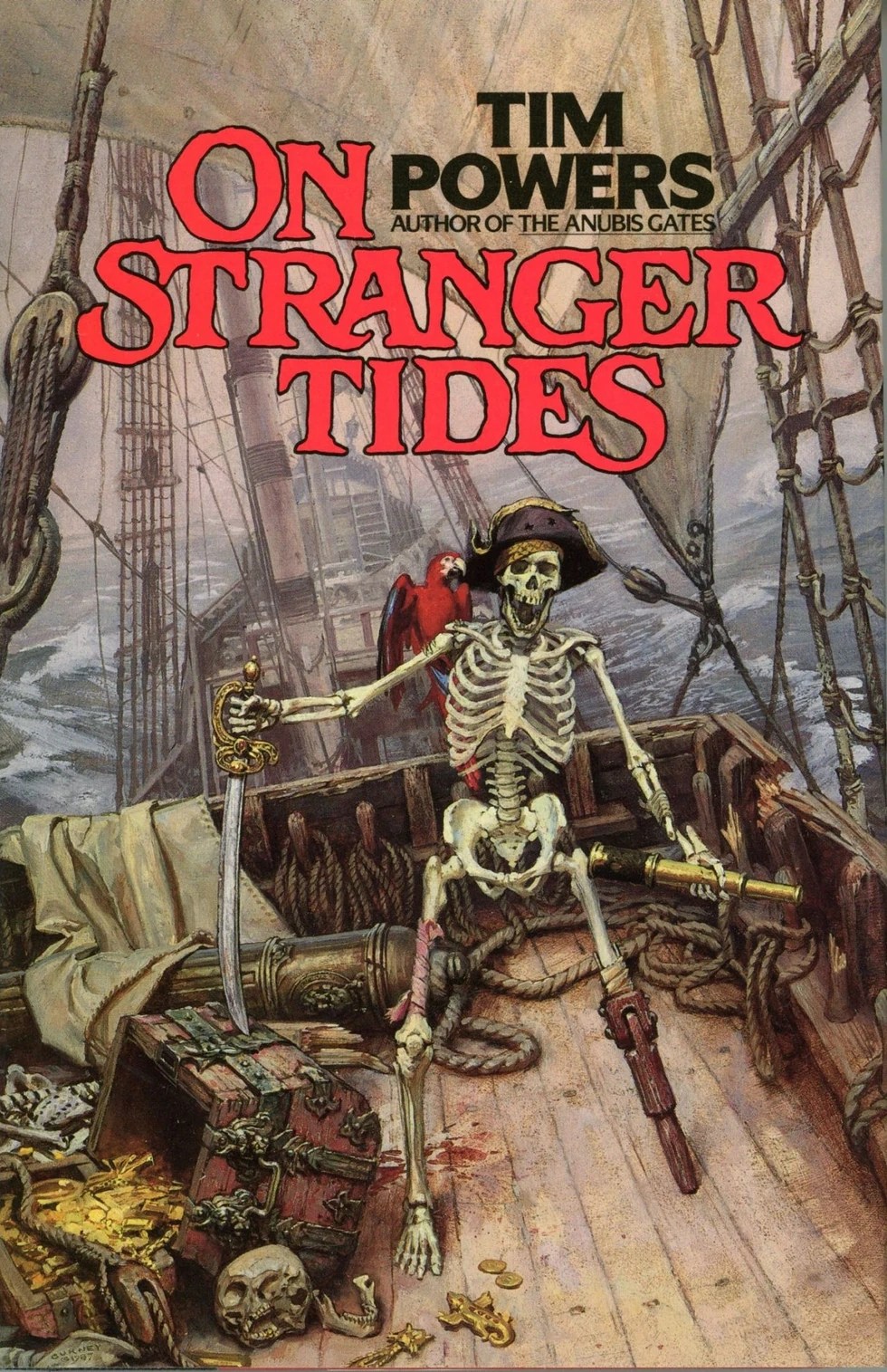
Powers’s novel influenced, indeed inspired, much of both Disney’s The Pirates of the Caribbean film franchise (including the plot, obviously, of the 4th installment, On Stranger Tides) and also the Monkey Island video games. Without doubt the best of the fantasy pirate genre, no contest. Pirates, voodoo, zombies, the fountain of youth, and great cover art.
The Mystery of the Sea by Bram Stoker, 1902
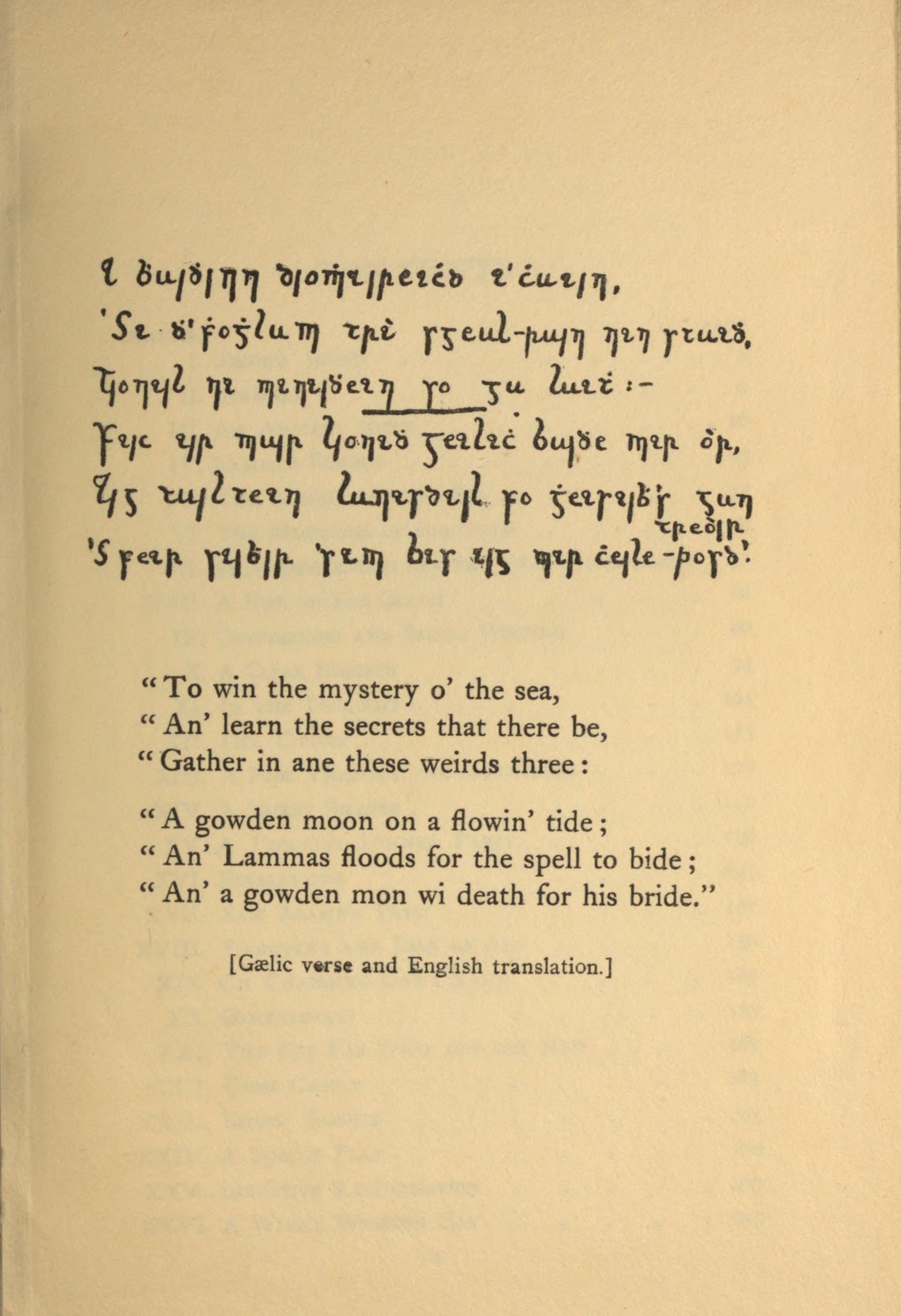
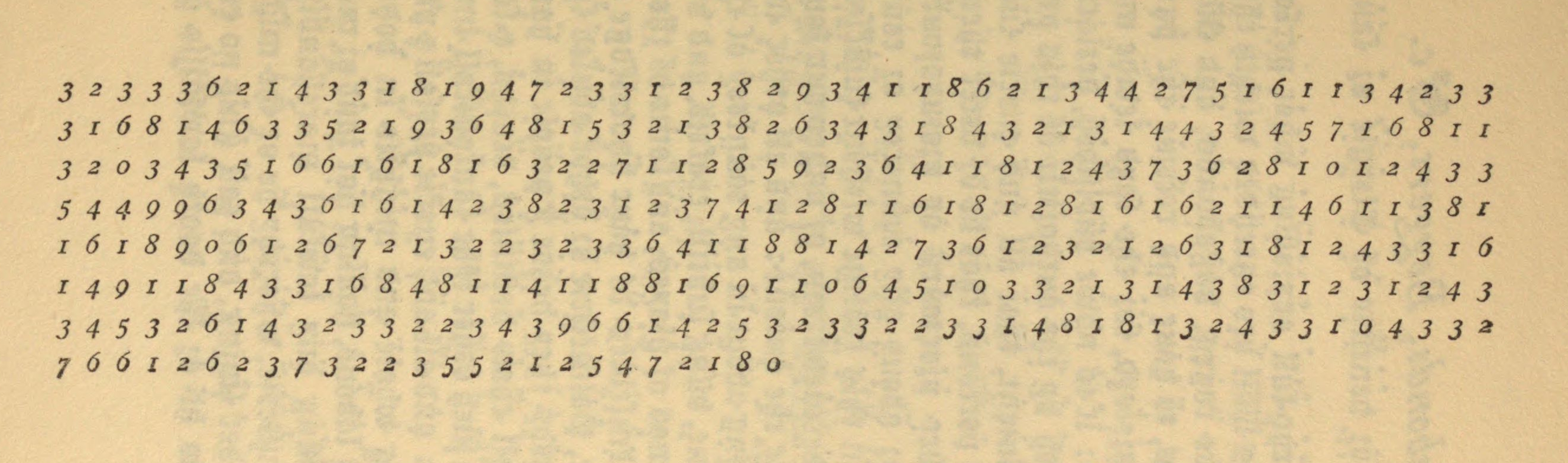
Stoker didn’t just write about vampires! The Mystery of the Sea is classic Gothic by the sea: a Papal treasure lost with the sinking of the Spanish Armada, ghosts trudging by the sea, a fey old woman, the second sight, a cipher, a rugged Scottish coast, romance with a rich independent patriotic American woman, classic gallantry including aquatic rescue, and, naturally, bad guys too, for what would be a treasure hunt without them?
The Haunted Island by Peter Lunn, 1946
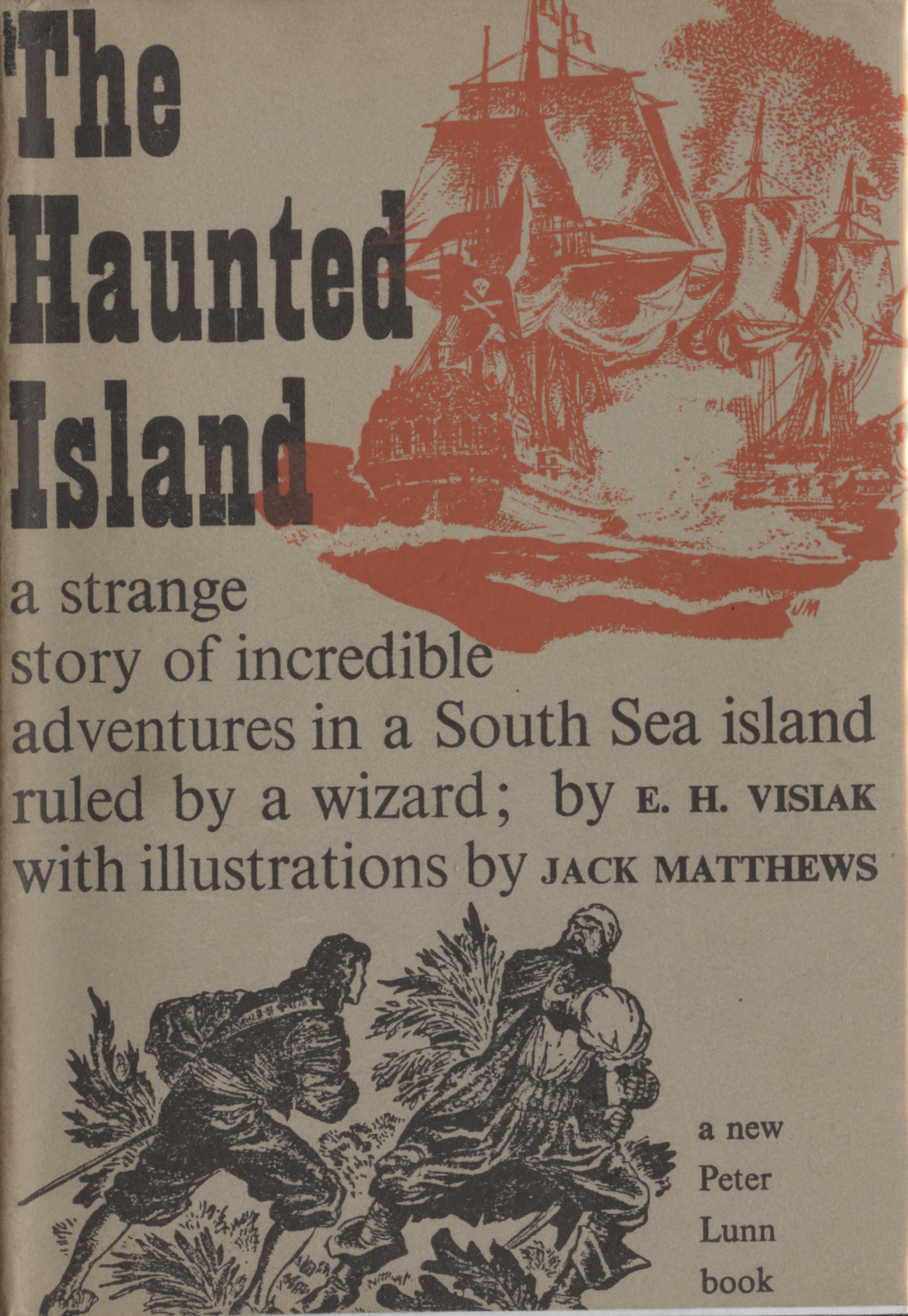
Pirates and magic! No, Disney’s Pirates of the Caribbean, you’re not the first to combine the twain. Or is it magic after all? Read and find out! The author had clearly done his homework, or at least had read Exquemelin and a few other core buccaneer authors, for the general details are accurate enough for light fiction. And the illustrations by Jack Matthews are exemplary, far more accurate than most buccaneer depictions even today. They’re not Pyle or Wyeth, but they serve well to correctly bring the period to life. As usual, the novel is composed of pirate truths and tropes derived from popular pirate histories and much better pirate novels such as Treasure Island. If it pales in comparison to the works of Stevenson and Sabatini, no matter — it’s still a quick fun read.
Pirate’s Doom by E. R. G. R. Evans, 1930
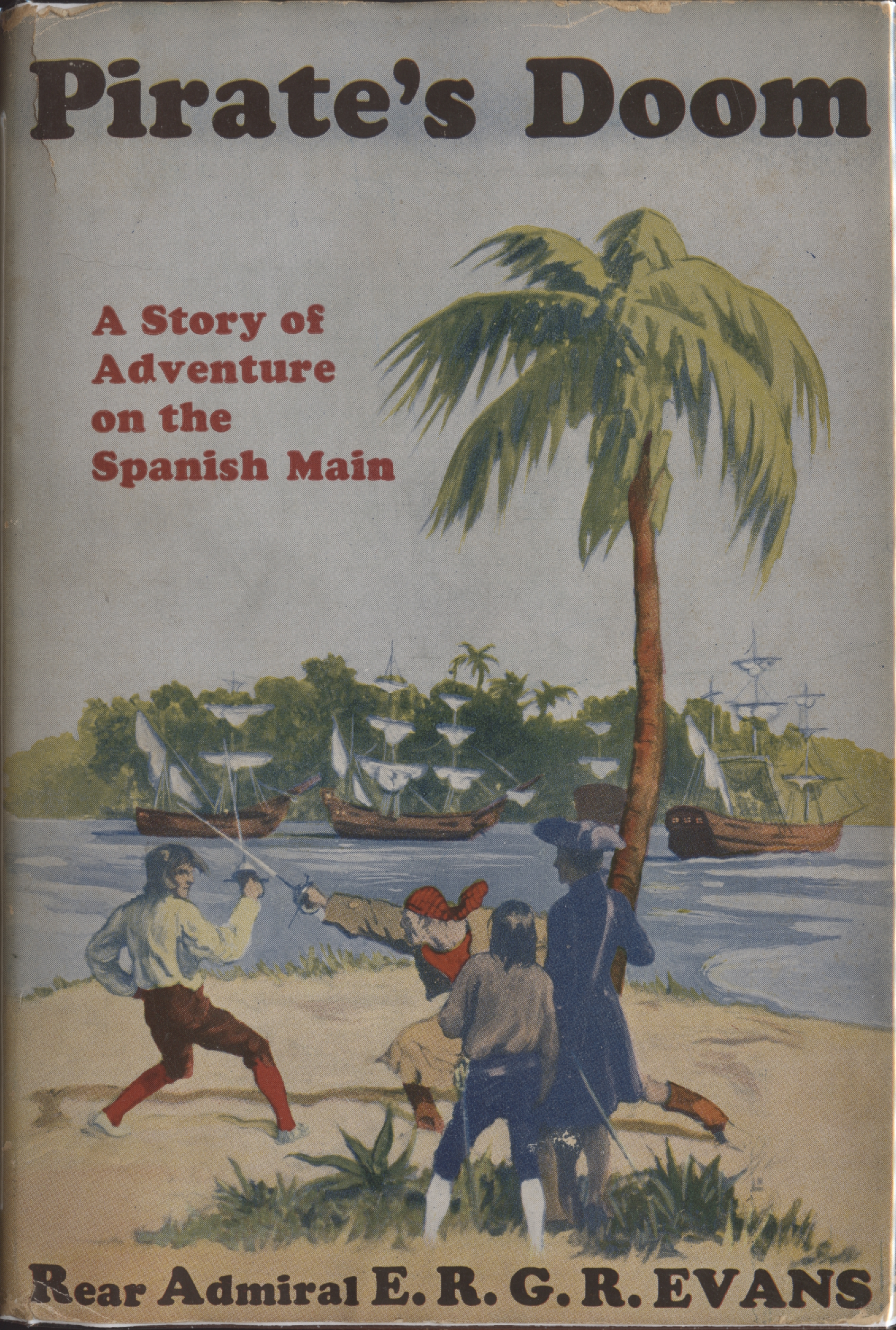
An adventure mostly set in reality but with one apparently supernatural element: a pirate captain drawn in part from the evil messenger Shriften in The Phantom Ship and who can appear and disappear, so it seems, at will. The author, who wrote quite a few maritime adventures for boys, gained early fame as a destroyer captain during close action in WWI. Like many novels of this sort from this era, it seems cobbled together from more famous works. Treasure Island it’s not, but it’s still a fun, easy read. It does have the occasional bigotry common to the era, but few. In keeping with famous buccaneer, explorer, naturalist, privateer, and naval officer William Dampier, along with some of his contemporaries, the author finds a pirate crew of “ferocious-faced negroes, dark-skinned Italians, and low-visaged seamen, who…were Turks” to be a “motley band of buccaneers” clearly inferior to the stout English pirates among whom the hero found himself. With my olive skin I suppose I’d be in the motley crew too, but then so would Captain Peter Blood, and his creator, the “dark-skinned” Italian-Englishman Rafael Sabatini (not to mention bestselling swashbuckling novel authors Frank Yerby and Alexander Dumas, both of whom were Black), thus I’d be in excellent company. The author’s dedication says it all: “To the sea-loving boys of // the Empire, and all those // who would go adventuring”//.
The Pirate by Sir Walter Scott, 1822
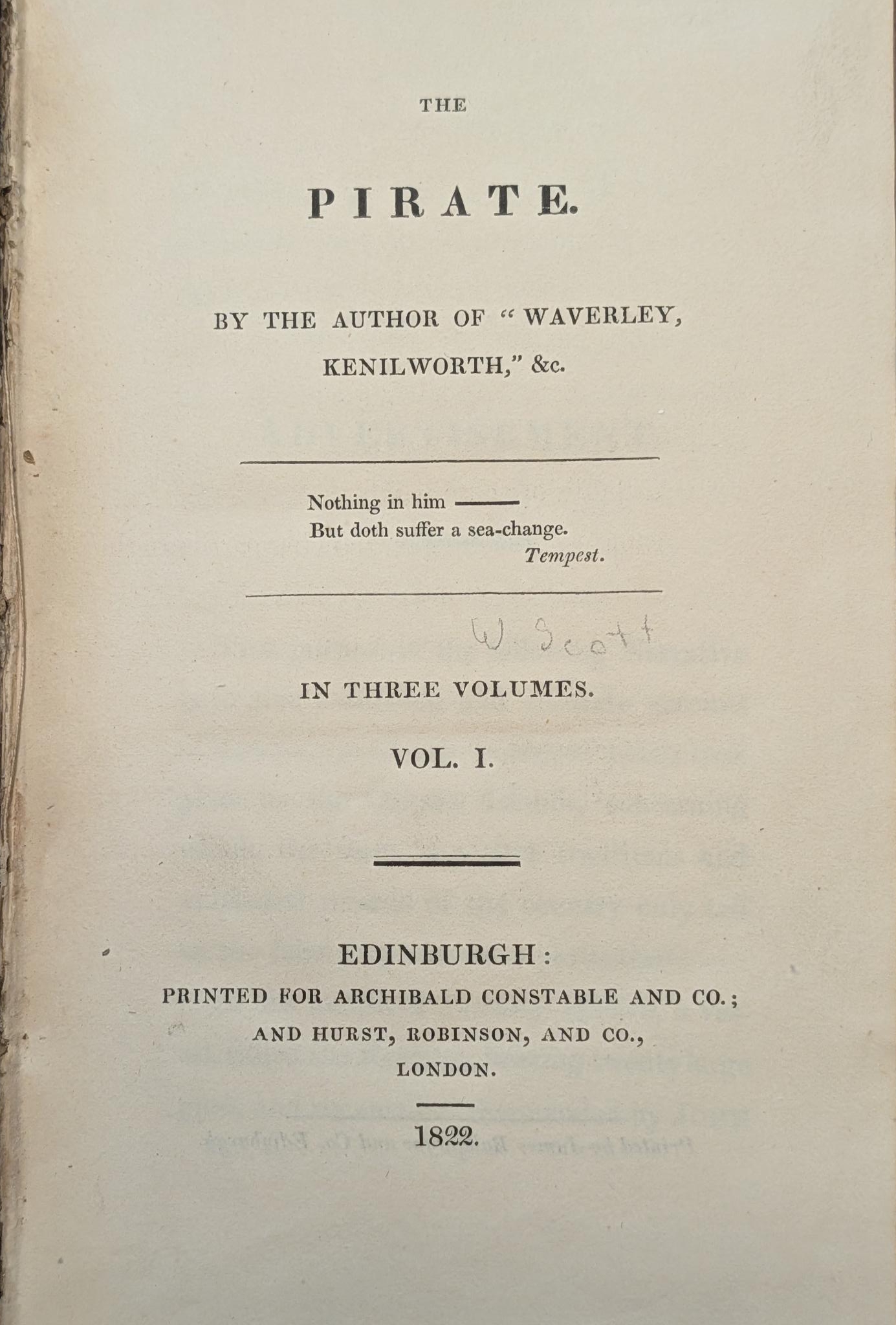
One of Scott’s romantic Waverly novels, the tale has no ghosts but those from the past and has only Gothic elements rather than the whole, but it still has enough remote island moodiness to qualify for this list. No less than Anais Nin as a teenager wanted to read this adventure of old sins, young love, remote windswept locale, and, of course, attack by pirates. Inspired by Scottish pirate John Gow (born circa 1698, hanged 1725), it takes place circa 1689. Never mind the anachronism: it’s fiction after all. Best read by the fireside during an evening storm with a sea-peaty Scotch whiskey in-hand, preferably one from the Scottish islands. Extra points if read in this manner by the seaside in winter (double extra if on a Scottish isle in winter). So famous was Scott that his name is not on the title page above.
And, Last But By No Means Least…
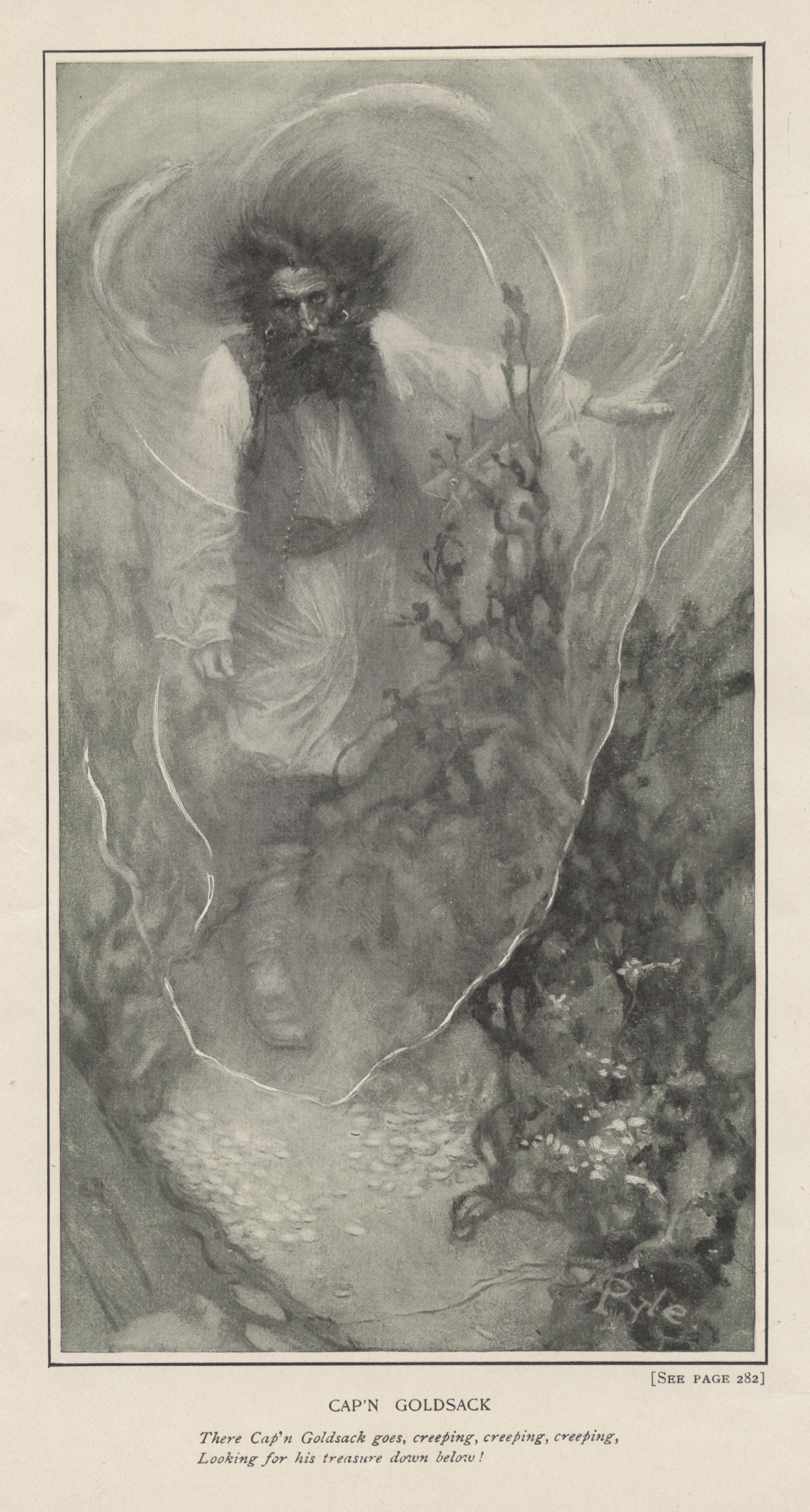
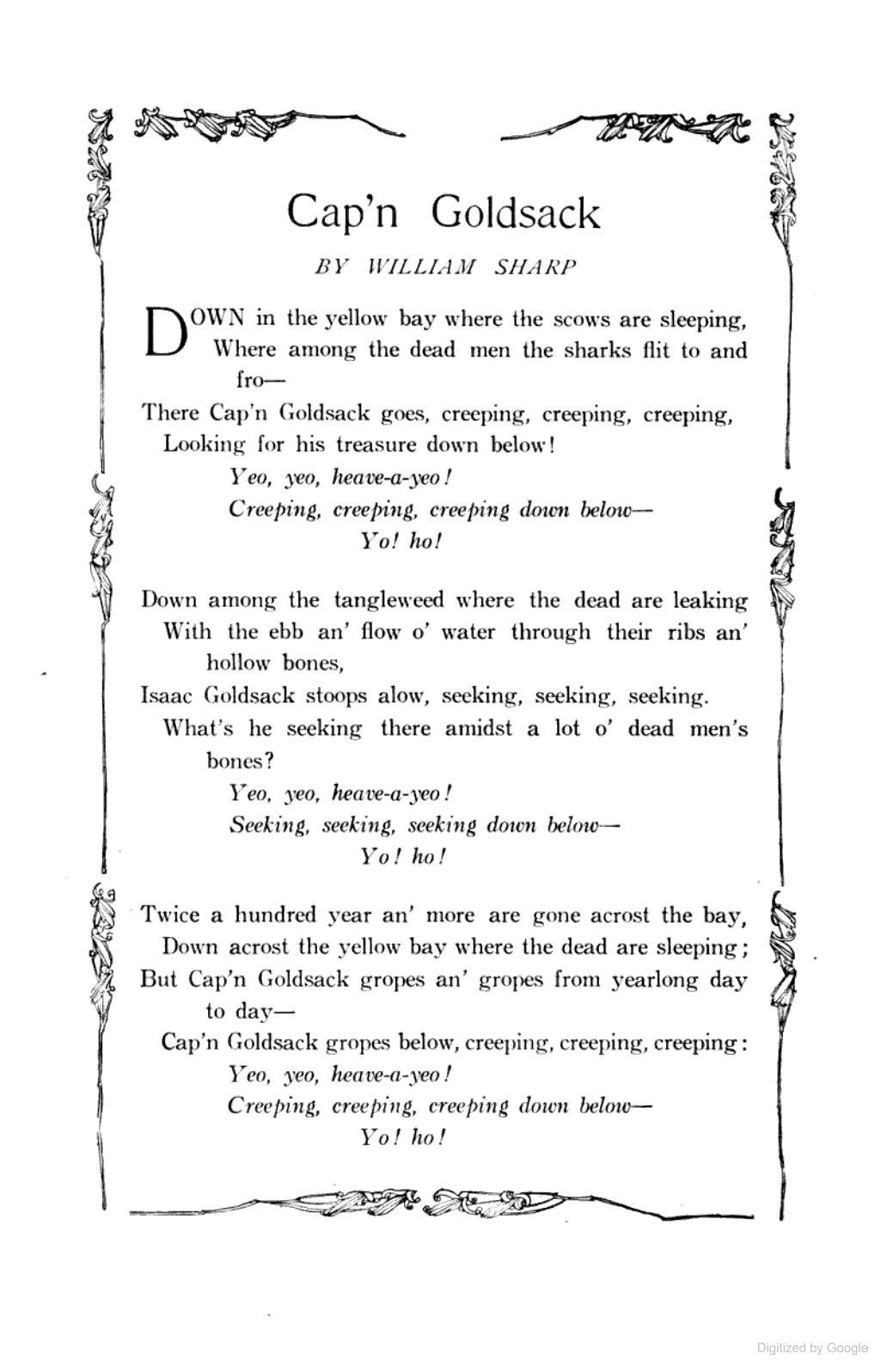
“Cap’n Goldsack” by William Sharp, Illustration by Howard Pyle, 1902
Copyright Benerson Little 2026. First published October 19, 2026.

