
Home » Posts tagged 'Looking into the eyes'
Tag Archives: Looking into the eyes
The Eyes Have It! Or Do They? Where to Look When Crossing Swords
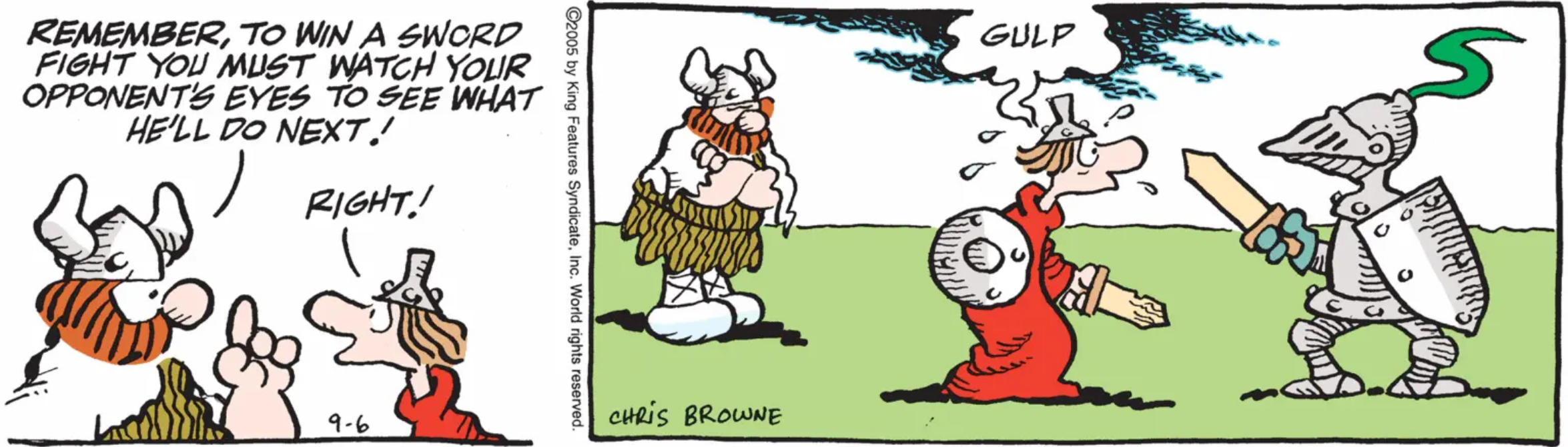
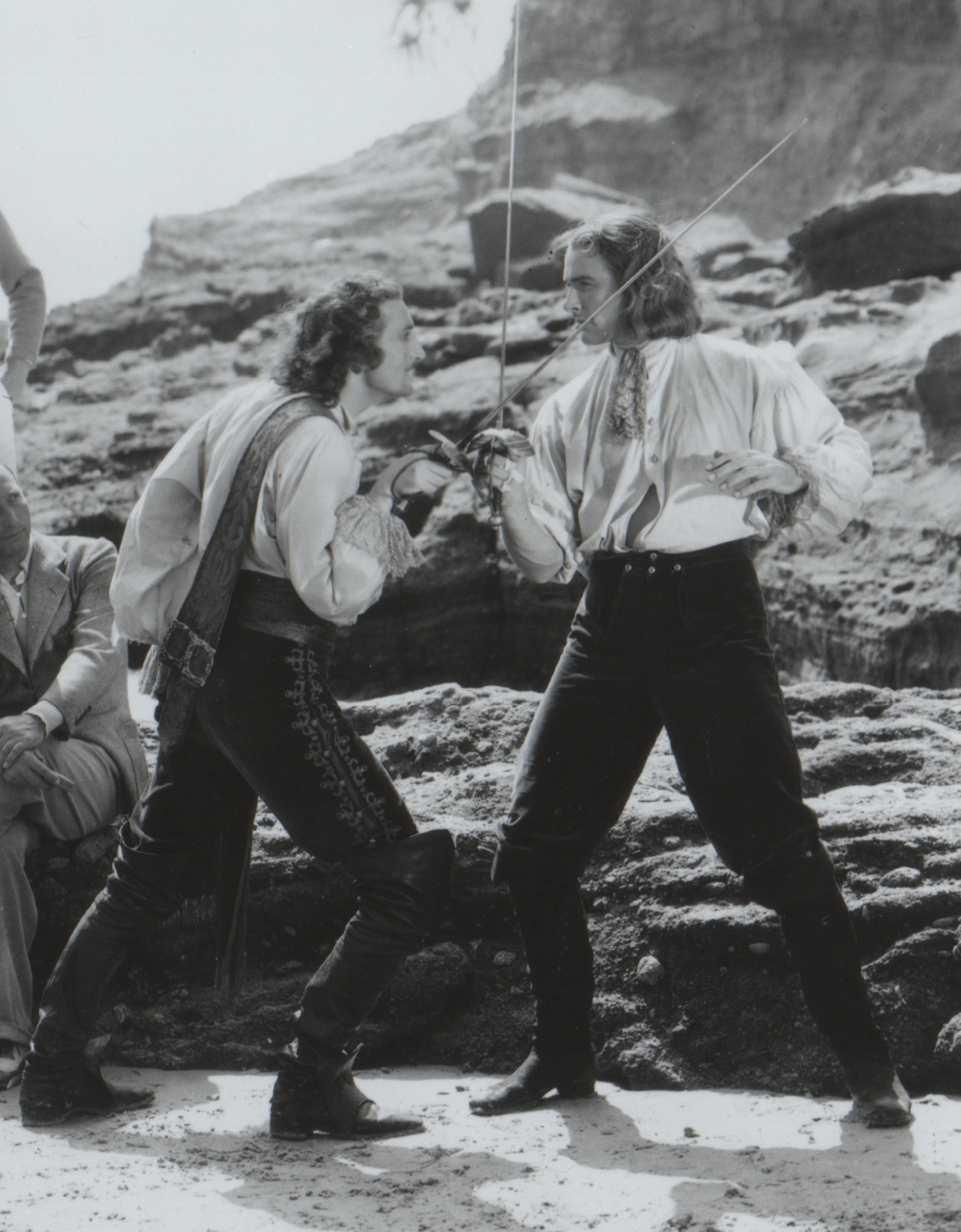
The scene is a familiar one: a fencing master admonishes a student to keep their eyes on those of the adversary when crossing swords, for “the eyes are the mirror of the soul” or “the eyes never lie” or “the eyes give away the adversary’s intention.”
Or some such superficial scripted pithiness.
But is this really where you should look when crossing swords? Or is this advice just a creation of fiction and film, a common trope that sounds great but would get you hit in a bout or killed with sharps?
After all, anyone who’s ever been deceived in love or even by a common salesperson knows that that the eyes can lie, that the eyes can conceal intent, the eyes can hide the true soul, even if at times they can indeed do the opposite.
To answer the question, we’ll take a look at the advice of some fencing masters and duelists over centuries. The reader may then pick and choose. First, a few notes and comments.
Fencing Masks
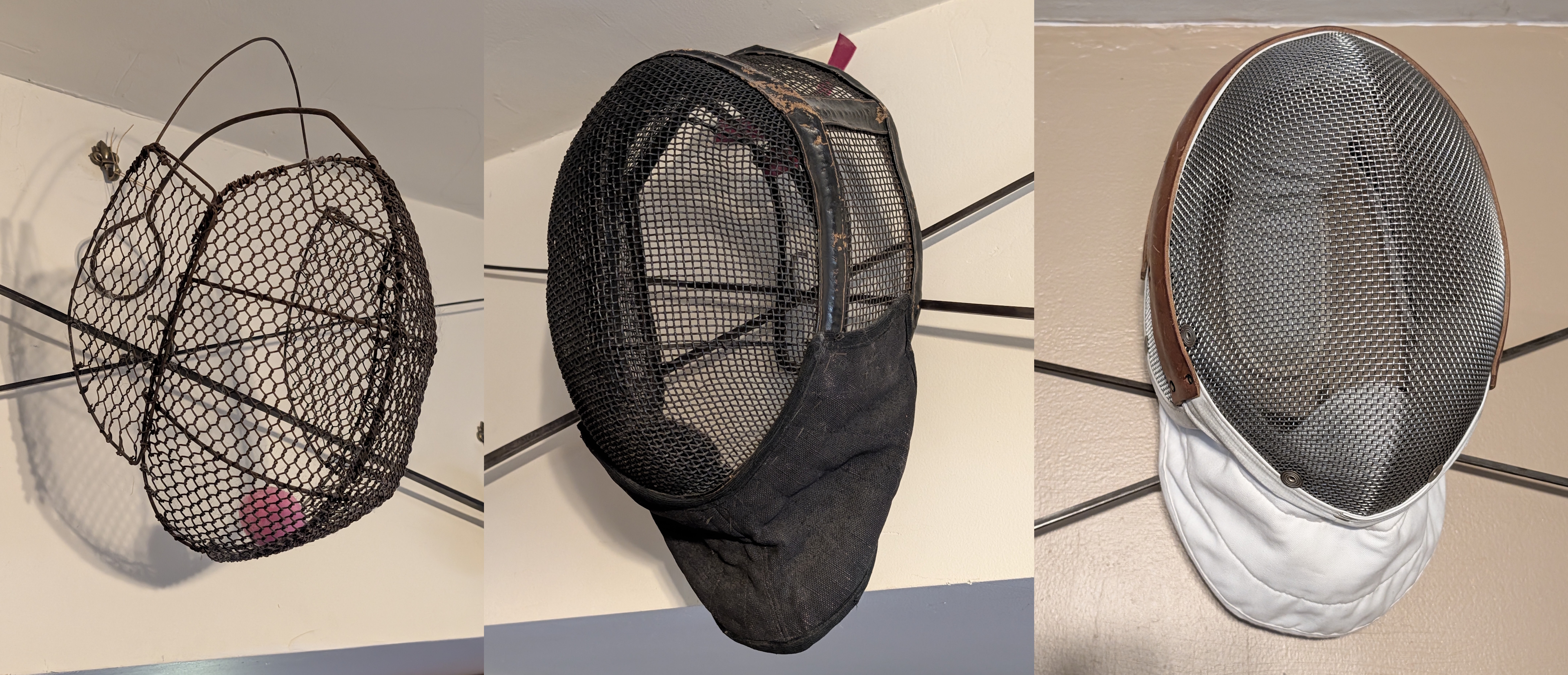
Notably, our question is complicated by the fact that fencers for the past century and a half (a small number used them two centuries ago) have trained and competed while wearing fencing masks. The adversary’s eyes could still be easily seen through early masks with their large mesh, but less so when the mesh was made closer and stronger in the late 19th century. Even so, it is possible to see the adversary’s eyes to a limited degree through the mesh of modern masks if, like a soldier in the jungle focusing not on the immediate flora but beyond it, you focus not on the mesh, but just beyond it. Still, masks present a problem in answering the question, even more so in the late 19th and early 20th centuries when duelists trained with masks but fought without them.
Briefly in the very late last century masks with a clear Lexan plastic polycarbonate section in front of the eyes were tried but soon abandoned for reasons of safety — there was no guarantee a blade might not find its way between mesh and polycarbonate or even through the polycarbonate itself. The primary inspiration behind the clear masks was not so that fencers could “sound the depths of an adversary’s soul” or even “evaluate an adversary’s state of mind,” but so that the video audience could see the fencers’ eyes. In the late 90s the International Olympic Committee considered dropping fencing from the Games, and since then the FIE (fencing’s international body) has bent over backward to make fencing audience-friendly at the expense of swordplay’s soul. (Fact: sophisticated fencing will never be audience-friendly.)
Other Martial Arts: Boxing & Escrima
I’ve boxed and practiced escrima and although I’m no expert in either, the experience was instructive. Historically, some boxers have focused on the adversary’s eyes and used peripheral vision to watch the hands, while others, including many today, focus on the neck or collarbone or upper torso (or just “forward”) and use peripheral vision to pick up hand movement. Focus on one hand and you’re likely to get hit with the other. Likewise do eskrimadors tend to focus not on the eyes but on the chest, and use peripheral vision to watch weapons and weapon hands — and they do bear watching, for a mistake can easily result in broken fingers and more.
Weapons in Both Hands
The question is also complicated by whether the adversary is armed with a single sword or has another weapon in the off-hand — watch one hand or weapon too closely and you’re liable to get hit with the other, as in boxing and escrima. However, in the case of early modern and modern Western swordplay and its common stance of lead foot matching lead hand, an off-hand weapon, typically used for defense, is usually held farther back and is shorter than the lead, making the focus on the primary hand less of a liability than it would be in boxing or any of the “hands and feet” martial arts. Peripheral vision picks up the offhand weapon.
Practical Experience
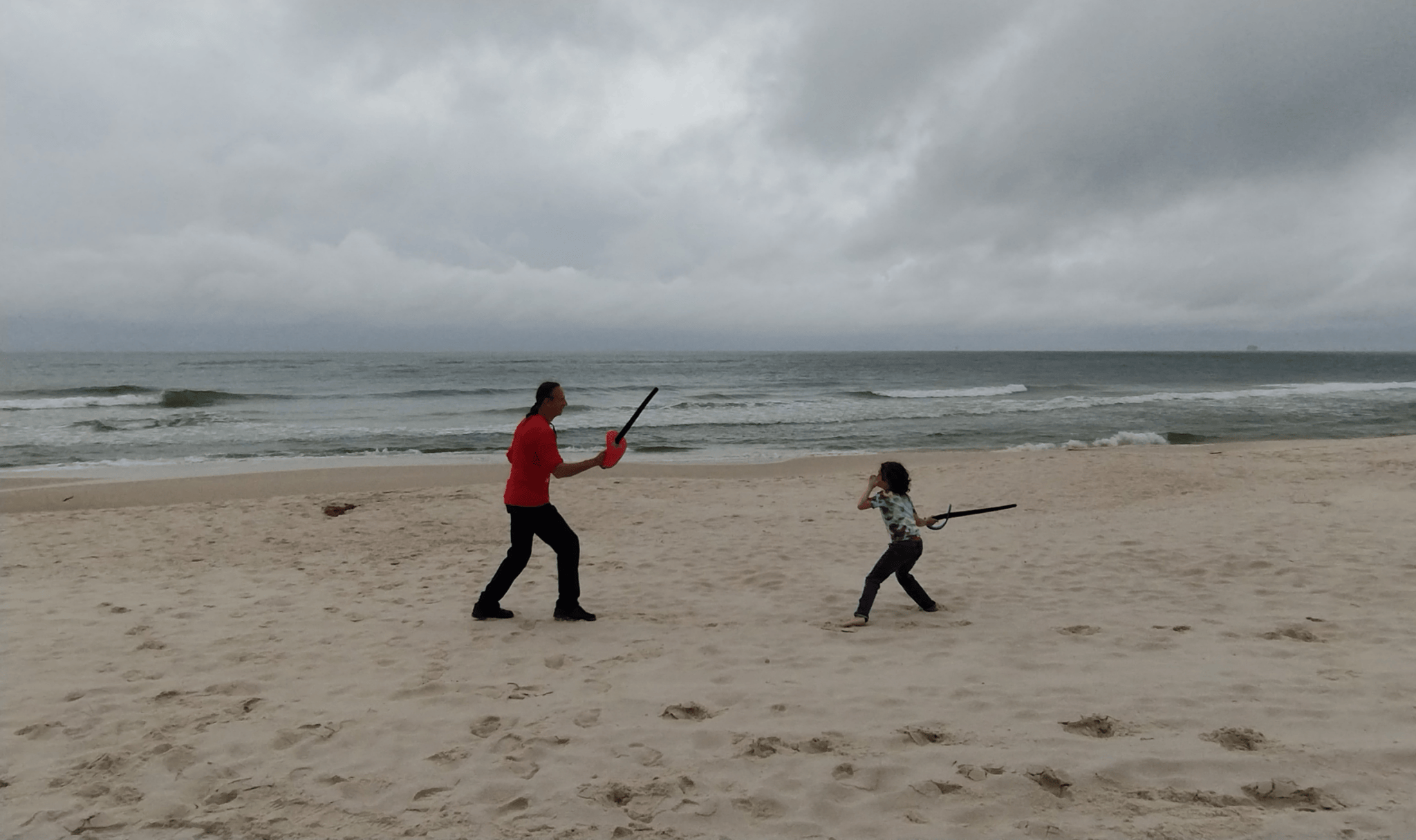
I can attest after a conservative estimate of four hundred hours or more fencing vigorously with my two youngest children — furious fencers both — with foam swords and without masks, that the utility of watching the eyes rather than the weapon is far over-hyped. As Donald McBane noted, an occasional glance may be useful, but watching the eyes takes your focus off the threat and you get hit. Only once with each child did I get away with cheap shots like glancing over the shoulder and hitting when they looked away, or feinting at the face to make them blink, then finishing low. These worked only when they were very young, although admittedly I explained immediately afterward what I’d done so they wouldn’t be surprised again.
I never had the opportunity to take tempo on either child because I saw hesitation in their eyes, and on several occasions I was hit when I found myself caught up in the emotion — elation, fury, joy, focus — in their eyes. The most useful information I gained from looking into their eyes was that they were serious about running me through. Figuratively, of course, or mostly so. We were fencing for fun, which is the only way to fence. (And no, only now are my wife and I slowly introducing them to modern fencing — we don’t want to spoil the joy of swordplay nor burn them out as is all too common these days as children much too young are garbed, armed, and thrust onto the strip with too little preparation. Ours can already handle sword and dagger, all sorts of terrain, and multiple adversaries! In other words, no modern helicopter parent or helicopter parent-pleasing coach has ruined, or will ruin, swordplay for them.)
Likewise fencing with my wife with padded sabers by Go-Now of Poland, without masks (which requires a bit of care because the swords are not soft “bonkers” sometimes used in therapy or just for a bit of safe violent fun), I was unable to use what I saw in her eyes to much effect, and too much time spent on her intense eyes meant I got hit because I wasn’t watching her sword.
A Caveat
Remember, the advice below is general advice. Your eyes will shift when fencing, in particularly onto targets as you attempt that final thrust.
A Brief Selection of Fencing Masters on the Subject
Note: the great majority of fencing masters don’t even bother to discuss the subject! And most of those who do were teaching fencers how to fight with real swords. The loss of a single touch in a sport fencing bout because the eyes stray might not matter much — but in a fight with sharps it could be fatal.
With all this in mind, here we go:
Ridolfo Capo Ferro, 1610: in rapier play, watch the adversary’s hand.
Francesco Antonio Marcelli, 1686: in single rapier play, watch the eyes or watch for movement.
Sir Wm. Hope, 1694: with the smallsword and backsword, keep your eyes on the adversary’s or sword hand, not on the point or middle of the blade. Do not look at the eyes for they are deceptive.
Donald McBane, 1728: with the smallsword, shearing sword, broadsword, and backsword, watch the wrist and point. Occasionally check the eyes to check the adversary’s temper, but only seldom lest you be deceived.
John Godfrey, 1747: with the smallsword and backsword, watch the weapon hand or point.
Joseph Roland, 1809: with the smallsword, focus on the adversary’s sword, not on the eyes as is “generally supposed.”
Clovis Deladrier, 1948: in epee fencing, watch the guard.
My own masters, Dr. Francis Zold and Dr. Eugene Hamori (1977 onward): in foil, saber, and epee, focus on the guard and point (doubly so in epee, for the combination of guard and point positions are vital). Use your peripheral vision to track distance from the adversary’s lead shoulder, and to note the adversary’s footwork.
The best advice to my mind is the combined advice of Donald McBane and of my own fencing masters.
As a side note, remember that not only can the eyes be deceptive, but so can many other things, including footwork, blade-work, tempo, distance, body language, and more. The hand, in a very simple example, when subtly drawn back can entice the opponent, who confuses watching the hand or guard with judging distance by it, into range.
Remember, fencing, whether as sport or duel, is a finished skill of violent or pretend-violent competition that permits honorable deception, that is, within the accepted customs and rules.*
Everything in swordplay can be used to deceive.
Copyright Benerson Little 2026. First published 24 September 2026.
* Gamesmanship is nothing more than cheating within the rules, to quote former US world championship epee fencer and Olympic Games alternate fencer and FIE rules committee member Roger Jones, and its practitioners should be shunned. Cheating is entirely dishonorable and its practitioners should be banned from the sport.

