
Home » Posts tagged 'Robert Newton'
Tag Archives: Robert Newton
Arr! Arrg? Yar? In Honor of [Authentically] Talk Like a Pirate Day!
Talk Like a Pirate Day! [Authentically Even, By the Powers!]
I apologize up front for this hasty homage and celebration of Talk Like a Pirate Day, for it is composed largely of text of posts of mostly authentic pirate speech I’ve made on Facebook on TLAP Day over the past decade or so. The quotes are fun and instructive.
Before I begin, I want to render honors to those who inspired this day created by “Ol’ Chumbucket and Cap’n Slappy” aka John Baur and Mark Summers in 2002: Captain John Smith (whose sea fight description was transcribed aka plagiarized into several 17th century seafaring texts), Mark Twain (yes indeed did Tom, Huck et al know how to talk like pirates!), Robert Louis Stevenson, J. M. Barrie, Jeffrey Farnol, Wallace Beery, and Robert Newton.
Several authors over the past quarter century, myself included, have identified Robert Newton as the most significant origin of caricatured “pirate speech” aka “talk like a Hollywood pirate.”
Newton starred first in Disney’s Treasure Island as Long John Silver, followed by two more pirate films, reprising his role in one of them as Long John Silver, and then again in a TV series. The earliest non-fiction author I recall identifying Newton as the origin of our idea of pirate speech is maritime historian David Cordingly in 1997.
However, the real credit should probably go to George MacDonald Fraser in his comic novel The Pyrates, 1983/84, in which he clearly identifies the origin of Hollywood pirate speech as Robert Newton and his iconic West Country accent.
Hollywood Favorites
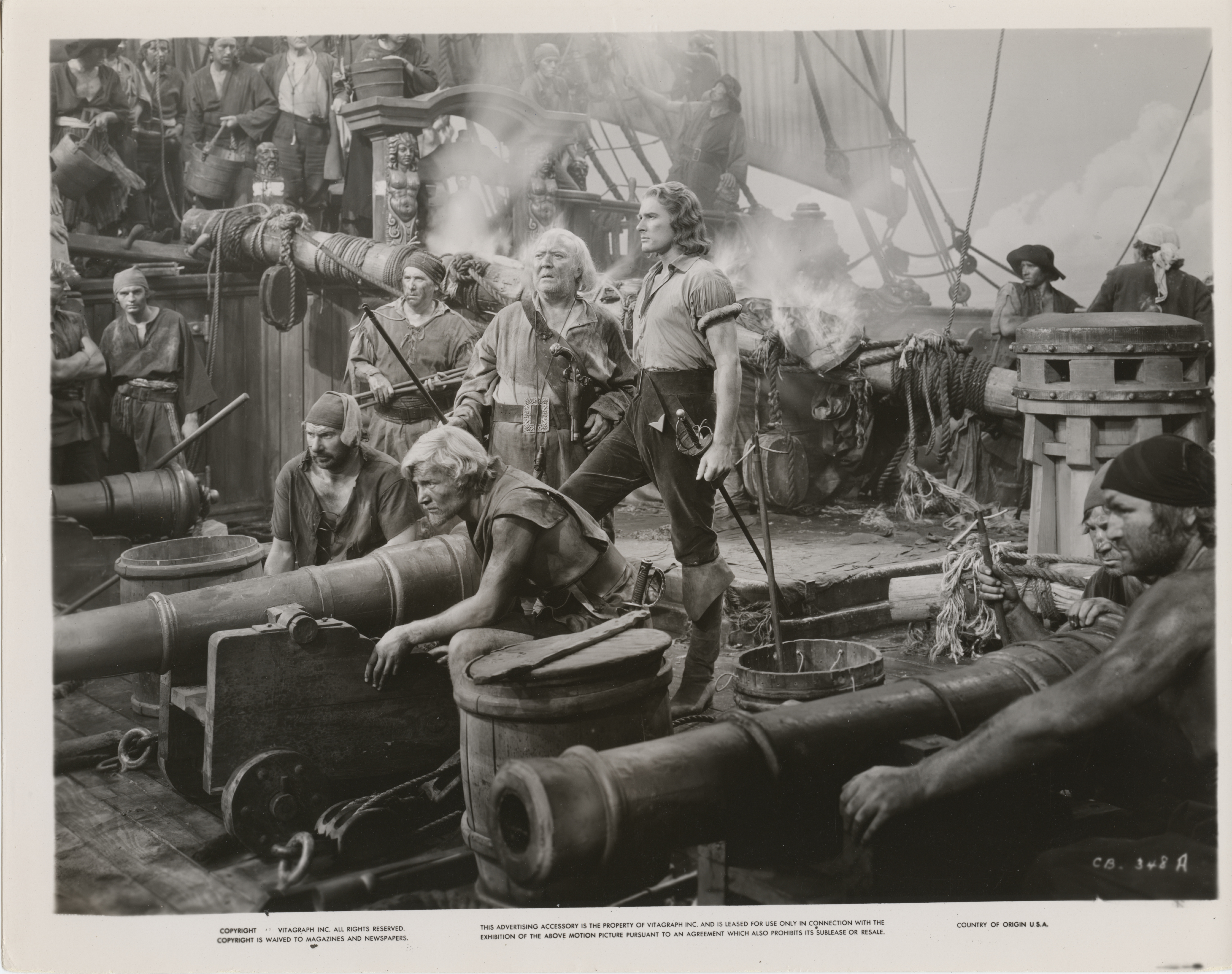
“On, now, Jeremy!” cried Blood. “Straight into them before they recover their wits. Stand by, there! Prepare to board! Hayton … the grapnels! And pass the word to the gunner in the prow to fire as fast as he can load. … Musketeers to the prow!”
—the fictional Captain Peter Blood in Captain Blood: His Odyssey by Rafael Sabatini (1922), during the finale against the French fleet at Port Royal, Jamaica, set in the year 1689.
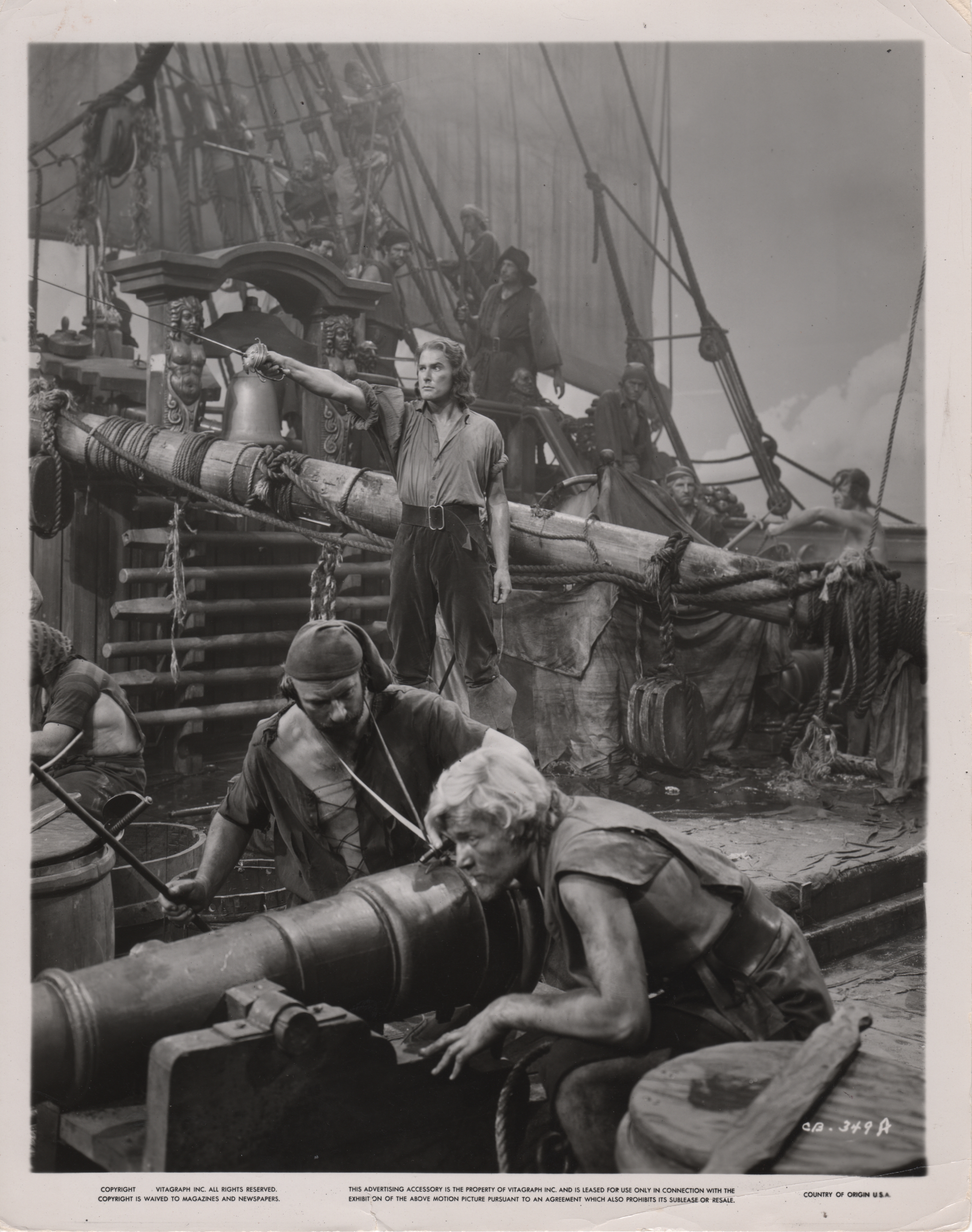
“All right, my hearties, follow me!”
—Errol Flynn as the fictional Captain Peter Blood in Captain Blood (Warner Bros., 1935, Casey Robinson screenwriter) during the finale against the French fleet at Port Royal, Jamaica, from the gun’l, his ship sinking, just before he swings Hollywood-style from ship to ship, leading his men in a boarding action. The line is not in the published script, but apparently was written or adlibbed during filming. The original line was “Over we go, lads!” Flynn also uses much of Sabatini’s language above prior to boarding.
Real Pirate Speeches & Exhortations in Battle
“Yes, follow me and doe not lye behind, for if I doe amise* You will all fair the worse for itt.”
—Captain Richard Sawkins, English buccaneer captain, landing himself first and leading the attack against the “stokadoes” on the río Puebla Nueva (in the modern district of Remedios, Panama) in 1680, as quoted by buccaneer “E. P.,” doubtless Edward Povey. Sawkins “went up corragiously with some brisk men with him, butt their was provided Mollattas and hunters with their launces which came to oppose him. He fierd his Pistole and shott downe one Musteese, the rest fiering and lodeing as fast as they could, but the Spaniards coming in upon them so fast that kill’d capt. Sawkins and 3 men more.” The buccaneers were forced to take to their heels.
* Probably amiss: to go amiss, to fail.
“Have a good courage. We must either defend ourselves like good soldiers, or lose our lives with all the riches we have gotten. Do as I shall do, who am your Captain. At other times we have fought with fewer men than we have in our company at present, and yet we have overcome greater numbers than there possibly can be in this town. The more they are, the more glory we shall attribute unto our fortune, and the greater riches we shall increase unto it.”
—Captain François L’Ollonois, aka Jean David Nau, prior to the attack on Gibraltar on Lake Maracaibo in 1666, as quoted by Alexandre Exquemelin, buccaneer-surgeon and buccaneer chronicler who likely sailed under him, from the 1684 English edition (Crooke) of The Buccaneers of America. The speech, while it might be authentic, might also be embellished, recreated and revised from poor memory, or even apocryphal, added after the fact for editorial emphasis. L’Ollonois, a bloody-minded buccaneer and murderer, was killed by Native Americans on the Darien coast in 1669, burned, and his ashes reportedly scattered to the wind.
“You are too experienced to not understand the peril we are running, and too brave to fear it. It is necessary here to be cautious of all yet to risk all, to defend and attack at the same time. Valor, deception, fear, and even despair must all be put to use on this occasion; where, if we fall into the hands of our enemies, nothing awaits us but all sorts of infamies, from the most cruel of torments to, finally, the end of life. We must therefore escape their barbarity; and to escape, we must fight.”
—Captain Laurens de Graff, Dutch buccaneer in the service of French flibustiers, prior to his fight against the Capitana and Almirante of the Armada de Barlovento in 1685, each ship twice the size of de Graff’s Neptune and throwing twice its weight in iron, as quoted (and perhaps embellished, and clearly edited) by Alexandre Exquemelin in the French edition of The Buccaneers of America. De Graff was later wounded in the action, but ordered his men to carry him back on deck when he noticed his ship’s guns slacking their fire. The Spanish men-of-war took enough of a beating that they fled the scene overnight. (My translation.)
Sea Battle
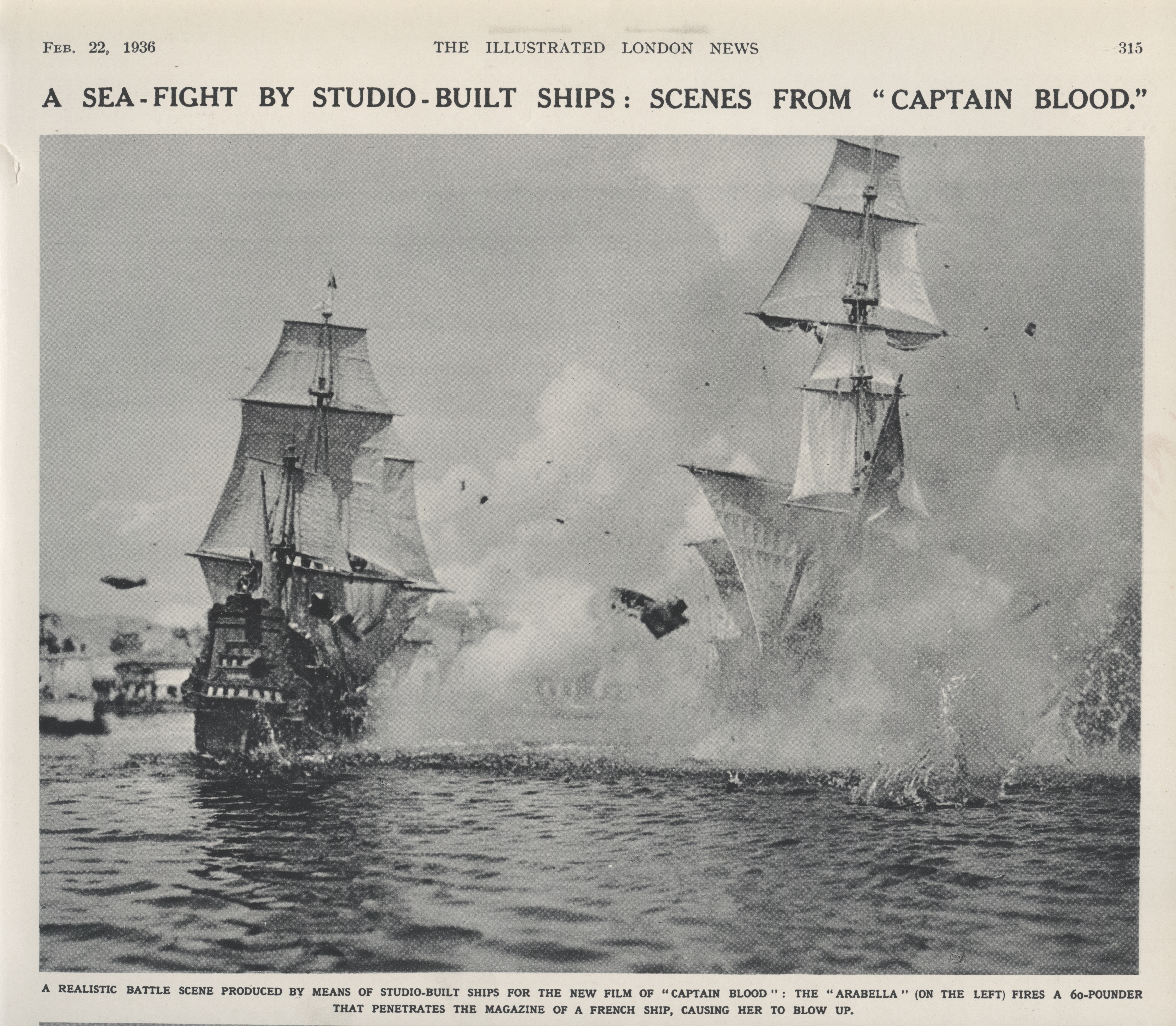
“Come chearly my Hearts! It is a Prize worth fighting for… Hold fast Gunner, do not Fire till we hail them with our speaking Trumpet; Port edge towards him; so, now we are fairly along side of him, and within Musket shot: Come, my brave Men, run out your Guns, and give him a Broadside, a Volley of small Arms, and a Huzza. Well done, my Hearts! He returns our Compliment, by firing his Broadside upon us. What chear, my Hearts, is all well betwixt Decks? Yea, yea, only he has rak’d us through and through; no Force, it is his Turn next; but give not Fire again, till We are within Pistol shot: Port edge towards him, he plies his Small shot. Come, Boys, Load and fire our small Arms briskly at him… Starboard a little; Give fire, Gunner! (That was well done!) This Broadside hath made their Deck thin, but the small Shot at first did gaul us. Clap in some Case-shot in the Guns you are now a loading; Brace too the Fore-top-saiI, that we may not shoot a head; He lies broad off to the Southward, to bring his other Broadside to bear upon us. (Starboard hard!) Get to Larboard Fore-tack; trim your Topsails, run out your Larboard Guns. He fires his Starboard Broadside upon us. He pours in his small Shot. Starboard give not fire until he fall off, that the Prize may receive our full Broad-side. Steady: Port a little; give fire Gunner! His Fore-mast is by the board. This last Broad-side hath done great Execution. Cheerly my Mates, the day will be ours!”
—Sturmy’s Mariner’s Magazine, 1669, with a slight update from Kelly’s The Modern Navigator’s Compleat Tutor, 1733. Exclamations added. This text is found in several various period books on seamanship, including a book on ships, seamanship, and sea fights by Captain John Smith of Pocohontas fame (or infamy). Happy Talk Like a Pirate Day!
“[H]owever nothing daunted at the disadvantage of Fight, we made a resolution rather than drown in the Sea, or beg Quarter of the Spaniard, who we used to Conquer, to run the extreamest hazard of Fire and Sword, and after a sharp Contest, still birding with our Fusees as many as durst peep over Deck, we boarded one of them, and carried her; so with her we took the second; and the third had certainly run the same fate, had not she scoured away in time…”
—Buccaneer John Cox.
“Shee fierd a Harkquebus att us, att which wee presented them with a whole Volley; she fier severall small gunns at us, and wounded 3 men. one of them after-wards died. wee laid her aboard and tooke her. She had about 30 hands in her, fitted out for an Armadillo to come downe to the Isle of Plate, to see what a posture we lay in…”
“A Barkque wee gave chase to butt could nott fetch her upp. she seeing all our cannoes getts into Pennamau and makes alarme. their was by Relacion putt on board the shipp and Barkques which came out to fight us 300 Soldados and Armed men. wee had about 3 howers dispute and tooke them all. wee killed and wounded many men. And Brave vallient capt. Peter Harriss was shott in his cannoe through both his leggs, bordeing of a greate shipp. their was nott any gott cleare only on [one] small Barkque that rann into Pennamau againe. itt being all done and Quiatt, the Spanish Gen’ll being kill’d wee tooke his Chief captaine, one capt. Berralto, who being an Antient Seaman in those seas we caused him to be our Pylott, he being the commdr. of that shipp that carried away the Riches from Pennamau to Limma about 12 years since, that same time when Sr. Henry Morgan tooke Pennamau. this capt. Berralto was much burnt, and his peopple most of them kill’d and blowne upp, for as thay fought us thay had scatter’d loose powder on their decks, which tooke a fier by some accident or other, that wee seeing itt borded them and tooke them. these 7 sayle of shipps we tooke att Pennamau was not above half unloded. their lading was flower, linnen and woolen cloath, one greate shipp half laden with Iron. wee desierd of capt. Berralto which wear the best saylors. he told us on his word the Trinnity was the best in the South Seas, soe wee pitched on her for Admirall, putting capt. Harriss abord that was wounded. the Doctors cutting of one legg itt fester’d so that itt pleased god he died, so wee lost that Valliant brave Soldiar. then wee putt in capt. Rich’d Sawlkings into the Shipp Trinity and made him Our Admirall.”
“[A]bout the middle of August one night, as the greate shipp had us in a towe, we saw a saile in the darke. wee lett goe their towe, and made what saile we could to her, comes in half a hower up with her, and ha’ls her. Shee fierd a Harkquebus att us, att which wee presented them with a whole Volley; she fier severall small gunns at us, and wounded 3 men. one of them after-wards died. wee laid her aboard and tooke her. She had about 30 hands in her, fitted out for an Armadillo to come downe to the Isle of Plate, to see what a posture wee lay in; their was on Borde 2 very Honorable gentlemen, which came out for ther Pleasure to see us, wee being term’d amounge them a strainge sort of Peopple and cal’d by the name of Laddron [Ladrones, that is, thieves, a common Spanish term for pirates—Povey is making a joke.].”
“[W]ee had two men of war cannoes gon to windward for goates and had found, by relacion, 150 fatt ones, butt sleepeing alnight by a fier att the Sea Side and in the morning went to fetch their goates, lookeing out to se if the Sea weir cleare of shipps Spyed within 3 leagues of the Island 3 greate saile of Shipps, Admirall, Vise Adm’ll and Rear Adm’ll; seeing thiss, made what hast they could to their cannoes and soe on borde shipp, leaveing all their goates behind them bound. as soone as thay came near the Shipp thay warned us with 3 Motions, that wee understoode their was 3 saile. wee gott all our peopple that weir on shore off and what other things wee could, gott our anchor on bord, had nott time to gett the Other butt lett him slipp, hoysted in Our launch and canno’s. by thiss time thay weir came within sight of us; so near that wee could se a weapon florrished on the quarter deck of the Adm’ll. wee understoode wee had left one of our Strikears on shore that had gott under a tree to Sleepe, sent a cannoe for him but could not finde him, soe came of to the Shipp and left him their. [This was Will, the Moskito striker. His marooning may have helped to inspire Robinson Crusoe.] these 3 shipps Clings the wind and stands After us. the reare Adm’ll which was the least had 12 gunns, their Vise Adm’ll 16 and their Adm’ll 24. Our new capt., being Jno. Watkins, would have gon aborde the Adm’ll if the Party had beene willing; wee could wronge them by sayling att our Pleasures, bye or large, soe that wee played with them a day and a night. then wee concluded twas our time to goe downe and take Arrica, the Place that wee made an attempt att before.”
—Buccaneer Edward Povey. His unedited personal journal is one of the most authentic sources of “pirate language” in English.
Pirate Swordplay Speech
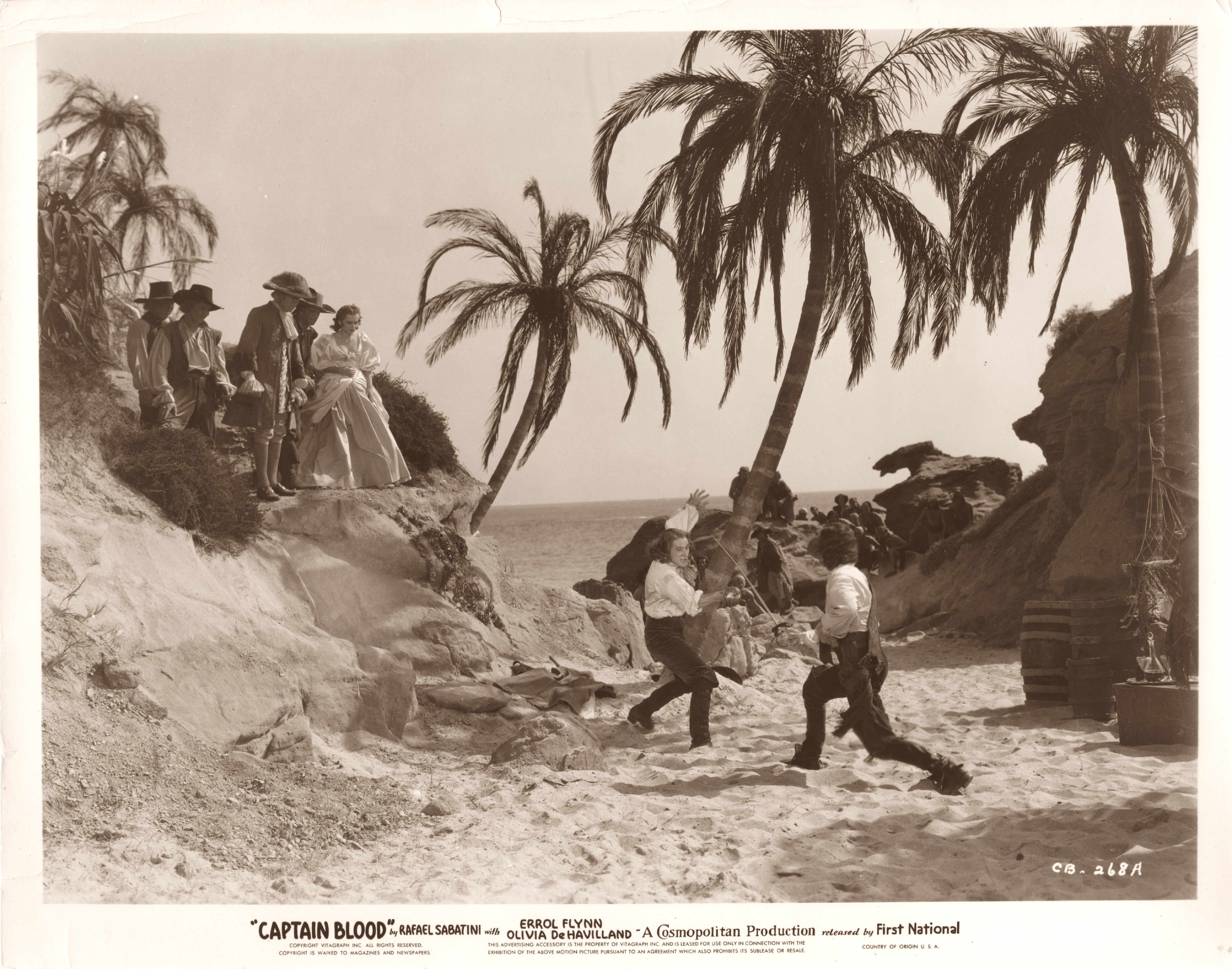
“Voilà! With this I shall avenge the insult you have given me,” said Capt. Laurens de Graff as he drew his sword.
Or, in the original French: “Voilà,” dit Laurent mettant l’épée à la main, “ce qui me venger de l’injure que tu mas faite.”
—Alexandre Exquemelin in his French edition quoting Laurens de Graff.
“On Thursday afternoon Admiral Lorenzo [Laurens de Graff], seeing how we suffered [from thirst and hunger], told the General [Nicolas Van Horn] that they should cast us ashore as I wanted them to do. The General grew angry and told me he would put us to the sword. At these words the Admiral drew his cutlass with such agility that before the General had put himself on guard Lorenzo had cut him in the arm and ear. They [the pirates] stopped them and I heard the admiral call his soldiers and send him [Van Horn] to his ship which was the almiranta [Van Horn’s St. Nicolas], and from this day we saw him no more.”
—Fray Avila describing the sack of Veracruz in 1683, excerpted from The Golden Age of Piracy by Benerson Little. The duel took place in 1683 on the Isla de Sacrificios near Veracruz, between Dutch buccaneer captains Laurens de Graff and Nicolas Van Horn. The duel, fought with cutlasses, lasted but a moment, with de Graff the easy victor: Van Horn was a poseur, while de Graff was an adventurer well-skilled in arms. It is the only documented duel between buccaneer or pirate captains during the Golden Age of Piracy. Of course, de Graff’s words may be apocryphal. The Spanish eyewitness to the duel doesn’t mention them and Alexandre Exquemelin, who quotes de Graff, wasn’t present at the duel. My translation.
“Maynard and Teach themselves two begun the Fight with their Swords, Maynard making a thrust, the point of his Sword went against Teach’s Cartridge Box, and bended it to the Hilt, Teach broke the Guard of it, and wounded Maynard’s Fingers but did not disable him, whereupon he Jumpt back, threw away his Sword, and fired his Pistol, which wounded Teach, [Abraham] Demelt struck in between the with his Sword, and cut Teach’s Face pretty much; in the Interim both Companies engaged in Maynard’s Sloop, one of Maynard’s Men being a Highlander, engaged Teach with his broad sword, who gave Teach a cut on the Neck, Teach saying, well don Lad, the Highlander reply’d, if it be not well done, I’ll do it better, with that he gave hima second stroke, which cut off his Head, laying it flat on his Shoulder…”
—The Boston News-Letter, February 23, 1719 (Old Style). There are but few descriptive accounts of swordplay among sea rovers during the so-called Golden Age of Piracy, and none that give a good sense of the language, so here’s the next best thing. The first is a newspaper account, which may be embellished or even made up, the second is an excerpt from Lieutenant Robert Maynard’s account of the action. In the hand-to-hand — or more accurately, sword and pistol — action, the two sides were of roughly equal numbers: the English naval seamen killed all the pirates while losing none of their own, although they had numerous wounded. So much for the idea that the early 18th century black flag pirates were great warriors! That’s what happens when you spend all of your time robbing merchant seamen who can’t fight back…
“Immediately thereupon, he enter’d me with ‘o Men; but I2 stout Men I left there, fought like Heroes, Sword in Hand, and they kill’d every one of them that enter’d, without the loss of one Man on their [the Royal navy] Side, but they were miserably cut and mangled… We kill’d 12, besides Blackbeard, who fell with five Shot in him, and 20 dismal Cuts in several Parts of his Body…”
—Lieutenant Robert Maynard’s account of the hand-to-hand combat.
There are but few descriptive accounts of swordplay among sea rovers during the so-called Golden Age of Piracy, and none that give a good sense of the language, so here’s the next best thing. The first is a newspaper account, which may be embellished or even made up, the second is an excerpt from Lieutenant Robert Maynard’s account of the action. In the hand-to-hand — or more accurately, sword and pistol — action, the two sides were of roughly equal numbers: the English naval seamen killed all the pirates while losing none of their own, although they had numerous wounded. So much for the idea that the early 18th century black flag pirates were great warriors! That’s what happens when you spend all of your time robbing merchant seamen who can’t fight back…
A Drinking [Former] Pirate, Or Buccaneer and Privateer, If You Prefer
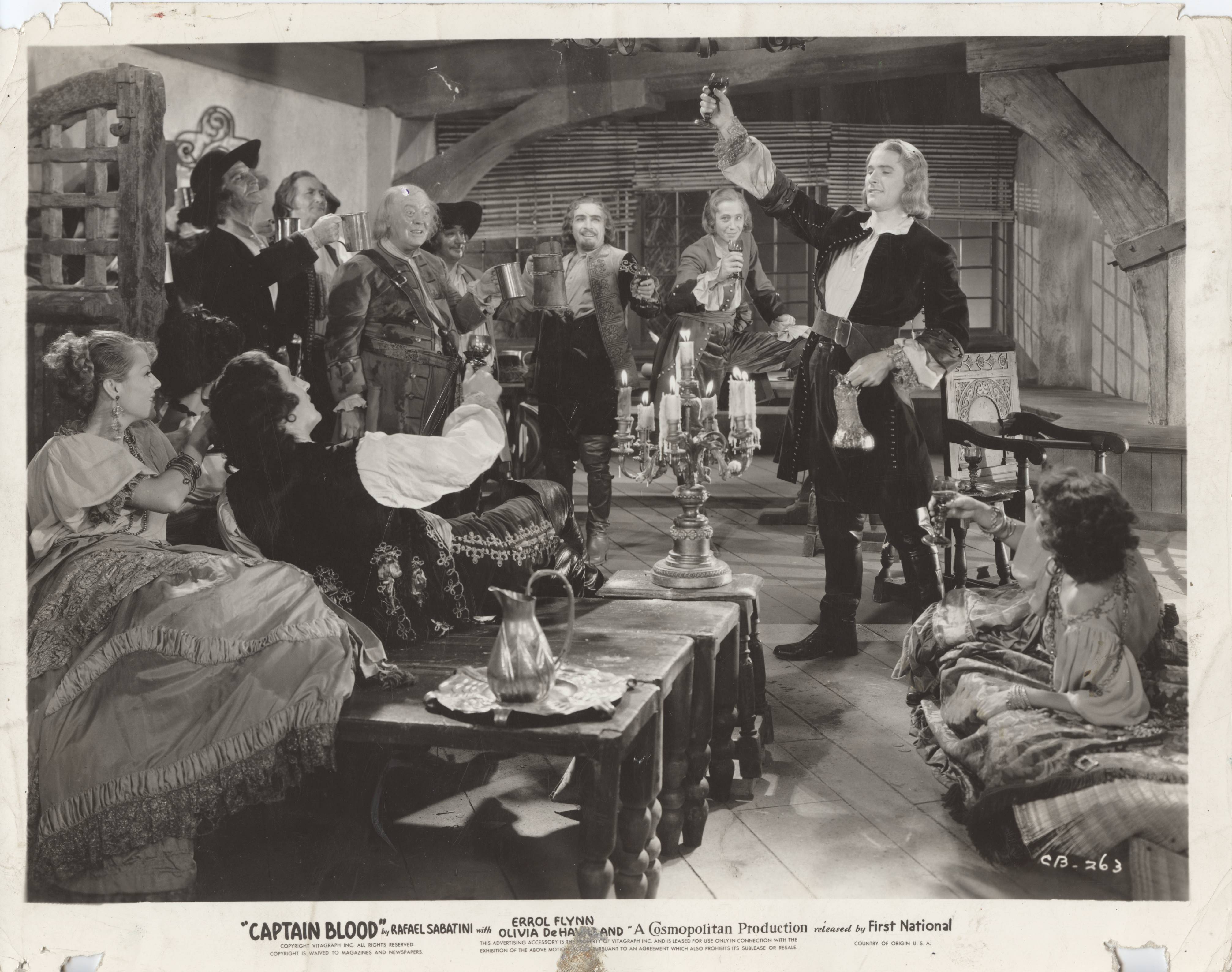
“In his drink Sir Henry [Morgan] reflects on the Government, swears, damns, and curses most extravagantly…”
—Calendar of State Papers, Colonial, America and West Indies.
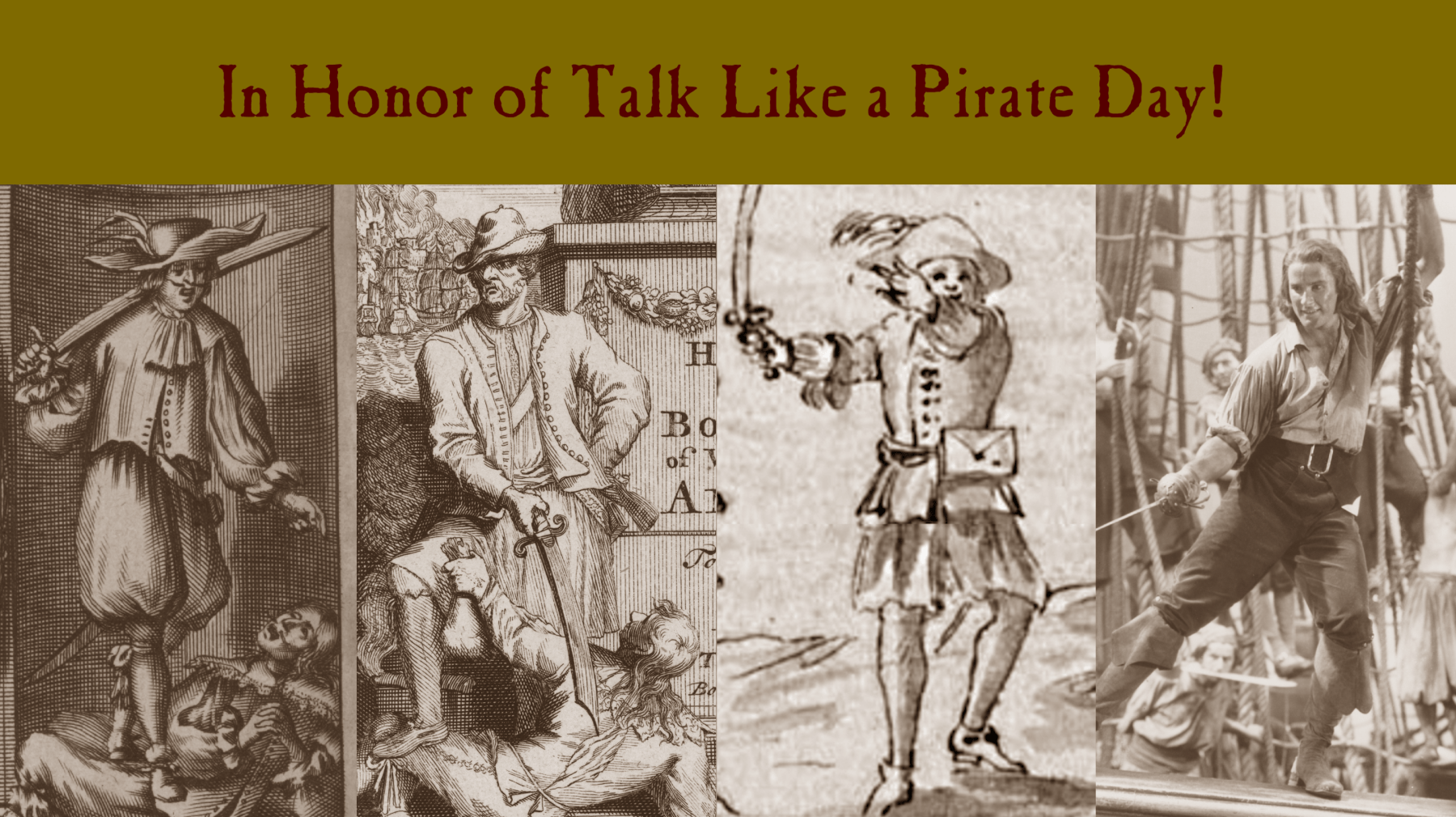
The probably French buccaneer on the far left in the illustration at the head of the page is a detail from De Americaensche Zee-Roovers by A. O. Exquemelin, 1678, in the Library of Congress; the probably Dutch buccaneer at left center is a detail from Historie der Boecaniers, of Vrybuyters van America by Alexandre Exquemelin, 1700; the French buccaneer at right center is an eyewitness illustration, that is, what one truly looked like, a detail from a chart of Petit Goave drafted in 1688 by Paul Cornuau, Archives Nationale d’Outre-Mer; and on the far right is Errol Flynn in a detail from a publicity still for Captain Blood, Warner Bros. 1935.
Copyright Benerson Little 2026. First posted 18 September 2026.
 Swordplay & Swashbucklers